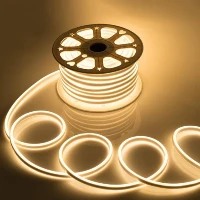
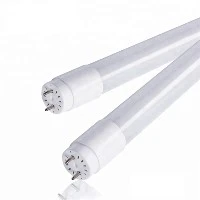
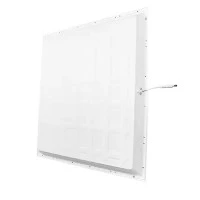
Ultraviolet light or a lamp that emits the majority of its light in the ultraviolet region of the spectrum is known as black light. Because black light is invisible to the human eye, a room that has been lighted by it seems dark. Ultraviolet or UV-A light are other terms for black light. A black light, blacklight, or Wood's lamp is a device that emits ultraviolet light. The term "Wood's lamp" pays tribute to glass UV filter pioneer Robert Williams Wood.
There are many different kinds of black lights, including lasers, LEDs, incandescent bulbs, and specialized fluorescent lamps. Since each of these lights emits a distinctive spectrum of light, they are not all produced equally.
In tanning booths, black lights are used to study fluorescence, to draw insects, to create artistic effects, to sterilize, and to cure polymers.
The Name "Black" Light's Origin
Black light is also referred to as "black" light since ultraviolet light is invisible to the human eye. If a black lamp only emitted ultraviolet light, it would not be seen. The bulk of black lights are visible as blue or violet light due to their short wavelength visible light outputs (blue to violet). Because of this, you can tell when the light is on. Some lasers and UV lamps, however, solely emit inaudible radiation.
The photoreceptors of the human retina are capable of detecting black light. Some patients who have had eye surgery may have superior vision in the UV spectrum. Artificial corneas and lenses change the visible spectrum, giving people eyesight more like to that of raptors or insects.
Different Black Lights
Black lights come in a variety of shapes and sizes. There are mercury-vapor lamps, incandescent lights, fluorescent lamps, light-emitting diodes (LEDs), and lasers. Since incandescent lights don't emit much ultraviolet light, they don't create particularly good black lights.
An incandescent black light features a filter that lets UV wavelengths pass while blocking visible light. The lighting industry refers to these components as "BLB," which stands for "blacklight blue," since the light produced by these kinds of bulbs or filters typically has a faint violet-blue tinge.
Black Light Types
There are numerous distinct types of black lights. There are mercury-vapor lamps, fluorescent lights, light-emitting diodes (LEDs), incandescent lights, and fluorescent lamps. In fact, incandescent lights don't create good black lights since they don't emit much UV light.
A filter on an incandescent black light allows UV wavelengths to flow through while blocking visible light. The lighting industry refers to these components as "BLB," which stands for "blacklight blue," since they often emit light with a faint violet-blue hue.
Although they are more expensive than incandescent bulbs on average, fluorescent black lights are brilliant, energy-efficient, and don't overheat. The fluorescent lamp used in "bug zappers" is a nice illustration. The designation "BL" for this kind of bulb stands for "black light." Black light is produced by fluorescent lamps by energizing mercury atoms. Electrons in mercury atoms are propelled into a higher energy level by energy, and when they return to a lower energy, stable state, ultraviolet photons are emitted. An inner phosphor coating on fluorescent bulb tubes blocks dangerous UV-B and UV-C rays while letting UV-B light through. The majority of damaging radiation is likewise blocked by the bulb's glass.
Coherent, monochromatic radiation that is absolutely invisible to the human eye is produced by black light or ultraviolet lasers. When working with such gadgets, it is especially vital to wear eye protection since the light might result in instant and permanent blindness as well as severe tissue damage.
Uses of Black Light
Black lights have several applications. Ultraviolet light is used to illuminate artwork, study fluorescent dyes, enhance the brightness of phosphorescent materials, cure plastics, draw insects, and observe fluorescent dyes. Black lights have several medicinal applications. Uses for ultraviolet light include disinfection, identifying bacterial and fungal diseases, acne, melanoma, and ethylene glycol toxicity, as well as treating newborn jaundice.
Black Light Security
Because the UV radiation most black lights generate is in the longwave UVA region, they are generally considered to be safe. The area nearest to visible light is this one. Black light radiation should not be exposed for a lengthy period of time since UVA has been connected to human skin cancer. UVA can harm DNA by penetrating the epidermal layers deeply. While UVA doesn't produce sunburn, it can deplete vitamin A, impair immunological response, harm collagen, and hasten the aging process of the skin. Through the cornea of the eye, ultraviolet radiation can harm the lens and result in cataracts.
Some black lights produce more UVB or UVC light. Skin burns might result from these lights. This light can harm cells more quickly since it has a higher energy than UVA or visible light.
Lasers and ultraviolet lights have enormous power. They release oxidizing radiation, which burns human flesh and destroys microorganisms.
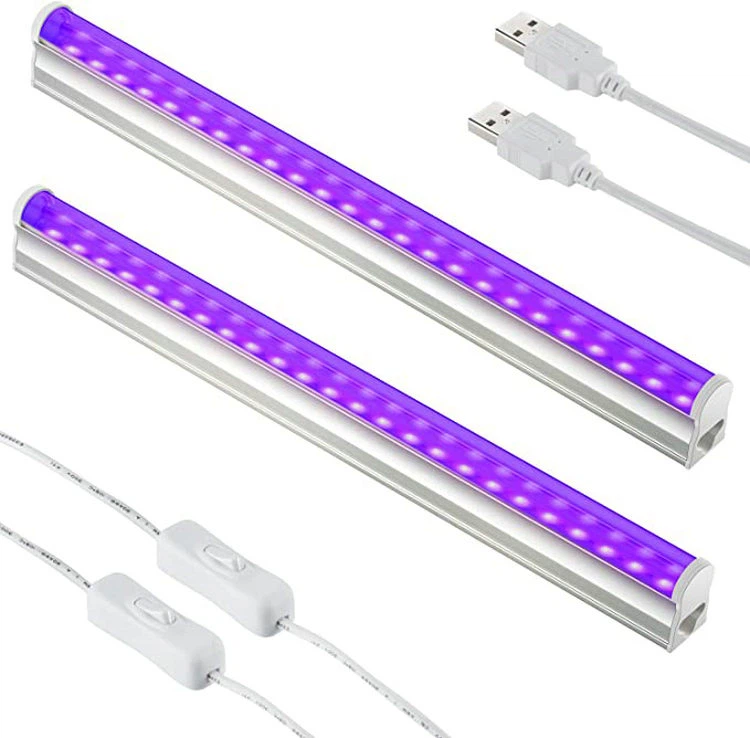
Benwei UV 120cm led tube black light Product Specification:
|
Item |
UV led light tube bulb T8 |
|
Input Volt |
AC85-265V |
|
Power |
10W,18W,24W |
|
Length |
60cm/2ft, 120cm/4ft, 150cm/5ft |
|
Bean Angle |
120°, 180° |
|
Lifespan |
50000 hrs |
|
Wavelength |
365nm 395nm 254nm 280nm |
|
Warranty |
3-5 years |