You've definitely had moments when you felt as though you couldn't escape fluorescent lighting; it can be found everywhere, from the office or the classroom to the local grocery shop, which may be troublesome, especially for someone who is already sensitive. We've included some of the most important results from decades of study on the psychological impacts of fluorescent light sensitivity in the hopes that they may help you better understand your own experiences.
Fluorescent Light Sensitivity Symptoms
Do you ever feel unclean after spending even a little amount of time seated next to harsh fluorescent lights? You probably shared this experience with millions of other people, and your sensitivity to fluorescent lights can lead to a broad list of both physical and mental problems. The following problems might result from fluorescent, much like other light sensitivity symptoms:
Fluorescents intolerance
strain or discomfort in the eyes
impaired or blurry eyesight
difficulty concentrating or reading
episodes of headaches or migraines
nausea or wooziness
Lightheadedness
breathing difficulty
Nausea
Lethargy
Anxiety
depression-related emotions
disturbed slumber
Some of these side effects may appear right away or shortly after exposure, while others may take longer to appear, especially when it comes to some of the emotional adverse effects. There is evidence that ordinary fluorescent lighting can also lower attentiveness, increase physical and mental weariness, and negatively affect mood. 1 Of course, those who are already light sensitive are significantly more prone to experience symptoms.
Headaches from fluorescent lighting and migraine attacks
The million dollar issue is certainly this one: Can exposure to fluorescent light induce or trigger isolated headaches or migraine attacks? The answer is undoubtedly true, and if you already suffer from a headache disease like migraine with or without aura, vestibular migraine, or cluster headache, for instance, it is considerably more likely to function as a trigger. In fact, the TheraSpecs team discovered that nearly 85% of chronic headache patients with accompanying photophobia reported that fluorescent lighting was a significant trigger for their attacks. Furthermore, more than half of women with any type of migraine are likely to be affected by fluorescent lighting. 2
However, the probability of headaches brought on by fluorescents does not exclude the general public. For instance, researchers found that office employees exposed to traditional fluorescent lighting experienced twice as many headaches as those working in settings with more natural lighting. 3 Additionally, because of the discomfort, intense glare, and headaches that fluorescent lighting may bring on, employees are just more inclined to detest it. 6 Additionally, headache and migraine attacks are common side effects of fluorescent light sensitivity, and eye strain is a marker for this condition as well.
Eye Issues Caused by Fluorescent Light
Fluorescent light exposure may also cause various problems with the eyes. There is growing evidence that fluorescents can harm your eyes in the long run in addition to the immediate eye symptoms that patients frequently suffer, such as ocular strain, inflammation, and excessive squinting. According to Australian experts, this sort of lighting's UV radiation may be contributing to a rise in eye conditions, most notably cataracts. In addition, some medical experts have hypothesized that retinal damage, myopia, or astigmatism may also be side consequences of fluorescent light sensitivity, especially owing to blue light and overall brightness; however, additional research is required to discover whether there is indeed a relationship. 4-5
We also know that people who have inherited eye disorders such benign essential blepharospasm, dry eye, or uveitis commonly have increased sensitivity to fluorescent lighting. A brief exposure can exacerbate several of the other symptoms mentioned above, including photophobia. Fluorescent lighting has been demonstrated to stimulate the central nervous system, which can cause eye pain, visual stress, and decreased reading ability even if you have not been diagnosed with an eye problem. 7
What Leads to Fluorescent Lighting Sensitivity?
One of the main causes of fluorescent light sensitivity is the vast number of workplaces, educational institutions, and public spaces that use it as their main light source. For many years, it was believed to be the most effective method of lighting a building, which, regrettably, exposed employees and customers to all of their unfavorable consequences. More than two thirds of employees are dissatisfied with the lighting in their workstation, according to a recent American Society of Interior Designers research.
Thankfully, there is a small but rising push toward alternatives to fluorescent lighting.
As we previously said, the underlying medical problems of individuals are a key additional factor contributing to fluorescent light sensitivity. More than 35 million individuals suffer from migraines alone, and the majority of them are likely to also experience widespread light sensitivity. Environmental sensitivity affects nine out of ten autistic people, and fluorescent lights are frequently claimed to make them feel more sensory stressed. Patients who have suffered a TBI or concussion may be more sensitive to fluorescent lights because of their injuries, which also cause them to have impaired brain function. In some cases of epilepsy, artificial illumination has even been proven to cause seizures.
Finally, there are characteristics of fluorescent lighting that have an impact on a person's tolerance levels. They consist of:
high levels of blue light, which are known to aggravate headaches, migraines, and general light sensitivity.
Despite being frequently invisible to the unaided eye, low-frequency flicker is absorbed by the brain.
Brightness in general can cause light-sensitive disorders as well as other fluorescent light sensitivity symptoms.
Solutions for Fluorescent Light Sensitivity
What can you do to lessen your sensitivity while we all wait for this enchanted, fluorescent-free nirvana because it is difficult to envisage a society without fluorescent lights? As for finding actual respite from the harshness of this form of artificial light, it usually takes some trial and error with various products and environmental changes. We've included a few choices and tactics that you might wish to explore below.
Take care of the existing condition.
If you currently have a chronic illness that increases your likelihood of being sensitive to any light, let alone fluorescents, then this should be your first priority. Numerous professionals concur that if the condition can be treated, the associated symptoms will also improve.
alternatives to fluorescent lights at work
If necessary, discuss with your employer how the lighting impacts your health and capacity for productivity. Request more natural light and/or fluorescent diffusers, suggest other workstation locations, or both. And if you still need assistance, here are some additional suggestions for persuading your manager to address light sensitivity at work.
glasses with tints for fluorescent lighting
Have you given any thought to wearing glasses made expressly to be sensitive to fluorescent light? They really exist, and 85–90% of people who test them report that their symptoms of fluorescence intolerance have significantly improved. They can also help lessen the impact of digital displays and other light triggers.
Increase as much natural light as you can
Sunlight is still a highly preferable option to artificial fluorescent lighting inside, despite the fact that it can cause headaches and light sensitivity. If not, you could at least wish to replace the glaring white light bulbs with warm-colored ones or use desk or floor lamps as interior illumination.
Take care of the existing condition.
If you currently have a chronic illness that increases your likelihood of being sensitive to any light, let alone fluorescents, then this should be your first priority. Numerous professionals concur that if the condition can be treated, the associated symptoms will also improve.
alternatives to fluorescent lights at work
If necessary, discuss with your employer how the lighting impacts your health and capacity for productivity. Request more natural light and/or fluorescent diffusers, suggest other workstation locations, or both. And if you still need assistance, here are some additional suggestions for persuading your manager to address light sensitivity at work.
glasses with tints for fluorescent lighting
Have you given any thought to wearing glasses made expressly to be sensitive to fluorescent light? They really exist, and 85–90% of people who test them report that their symptoms of fluorescence intolerance have significantly improved. They can also help lessen the impact of digital displays and other light triggers.
Increase as much natural light as you can
Sunlight is still a highly preferable option to artificial fluorescent lighting inside, despite the fact that it can cause headaches and light sensitivity. If not, you could at least wish to replace the glaring white light bulbs with warm-colored ones or use desk or floor lamps as interior illumination.

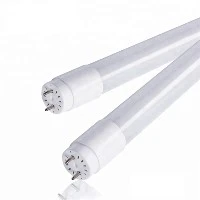
Benwei UV 120cm led tube black light Product Specification:
|
Item |
UV led light tube bulb T8 |
|
Input Volt |
AC85-265V |
|
Power |
10W,18W,24W |
|
Length |
60cm/2ft, 120cm/4ft, 150cm/5ft |
|
Bean Angle |
120°, 180° |
|
Lifespan |
50000 hrs |
|
Wavelength |
365nm 395nm 254nm 280nm |
|
Warranty |
3-5 years |