What Is Flood Light?
Floodlights have steadily grown more popular over the years – and with good reason. They're not only relied on for security and illuminating outdoor spaces like gardens, driveways, and parking lots but also excel at adding aesthetic charm to any home. In the USA, flood lights are incredibly common for residential use, especially in areas that lack adequate natural light. In this blog post, let's take a closer look at flood lights and explore what to keep in mind when choosing the right one.
Part 1. What Is Flood Light?
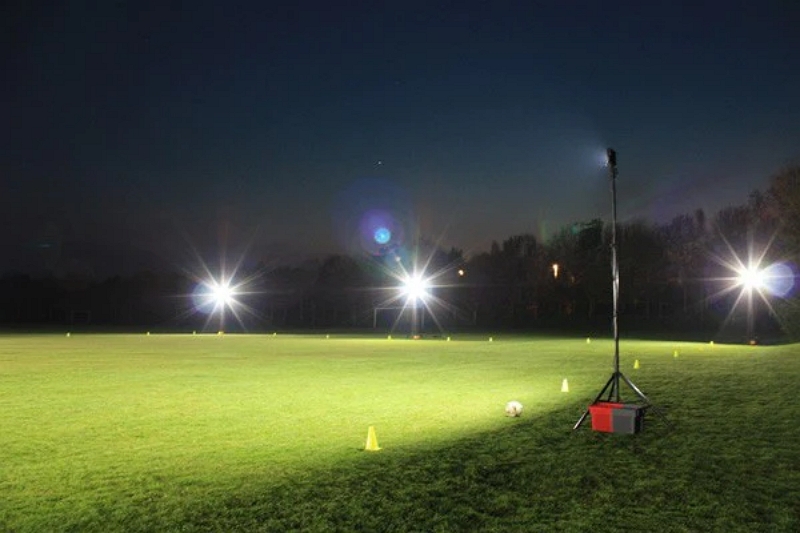
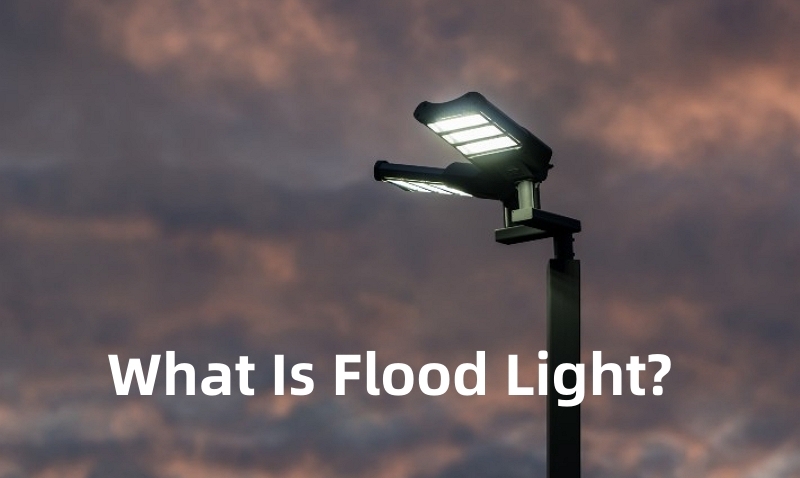
A flood light is a type of lighting fixture that produces a broad and intense beam of light, typically used for illuminating a large area, such as a field, parking lot, or building exterior. Floodlights are designed to distribute light evenly, providing a wide coverage area, and are often used for outdoor security lighting, sports events, or outdoor gatherings. They can be powered by electricity or batteries and come in various sizes and shapes, including portable and fixed options.
A flood light is called so because it floods or saturates a large area with a broad and intense beam of light. The light produced by a floodlight spreads out over a wide angle, illuminating a large space and creating the impression of a flood of light. The term "flood" is used to describe the broad distribution of light that floods the area, similar to how a flood of water would fill and cover a large area. The term "flood light" is commonly used to describe this type of lighting fixture because it floods the area with light, providing a wide and even coverage.
You might be wondering what sets a regular light apart from a flood light. The key difference lies in their intended use: regular lights are designed for general lighting of a room or space, while flood lights deliver bright, focused illumination across larger areas.
Floodlights also tend to be brighter than regular lights, and their beam width can be adjusted – wider or narrower – based on your needs. By contrast, regular lights are typically for indoor use, emitting softer, more diffused light. They're perfect for spaces like living rooms, bedrooms, or dining areas, where a warm, welcoming atmosphere is desired.
Part 2. What Are Flood Lights Used For?
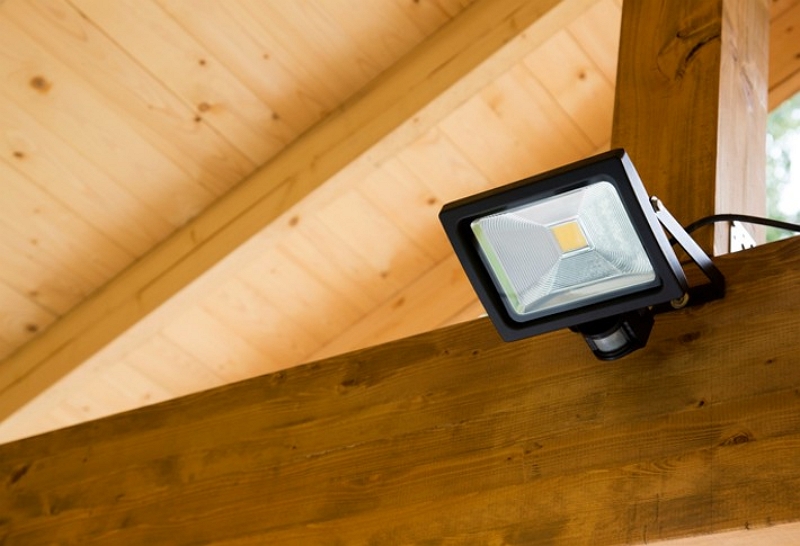
The main purpose of flood lights is to cast a broad, high-intensity beam over wide areas, making them ideal for lighting up large outdoor spaces. One of the most common uses is security lighting for homes, businesses, and public areas. They're also essential in parking lots, sports fields, and other outdoor locations that need strong illumination.
Outdoor events like concerts, festivals, and theatrical performances rely on flood lights too: their ample brightness ensures the event is visible and enjoyable for all attendees. Additionally, floodlights can highlight specific features-think architectural details of a building or outdoor sculptures- when placed strategically.
In this section, we'll also explore the many benefits of flood lights, especially LED models, and why they've become a must-have for both homeowners and businesses.
1. Energy Efficiency
A major advantage of LED flood lights is their energy efficiency. Traditional flood lights guzzle energy, leading to high operating costs. LED versions, however, use far less energy – directly translating to lower bills.
2. Durability
Beyond energy savings, LED flood lights are also long-lasting and tough. Their lifespan is up to 10 times longer than traditional flood lights, so you'll need to replace them much less frequently. This cuts down on replacement costs and reduces the environmental impact of frequent bulb disposal.
3. Directional Lighting
Unlike traditional lighting fixtures that emit light in all directions, LED flood lights emit light in a specific direction, providing more focused and controlled lighting. This means that you can direct the light exactly where you need it, making it perfect for highlighting specific areas mentioned above.
4. Property Safety
LED floodlights boost property safety by keeping your surroundings well-lit – an effective way to prevent break-ins and burglaries. Thieves and burglars typically prefer operating in darkness, so a brightly lit area acts as a strong deterrent. This makes flood lights a reliable security measure, especially for properties that don't have a surveillance system in place.
Part 3. What to Consider While Choosing a Flood Light?
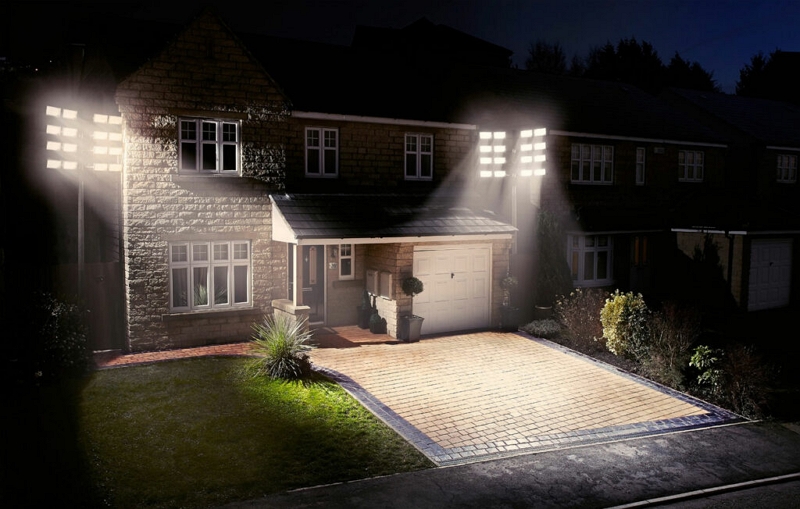
Whether you need a flood light for your home, business, or outdoor space, there are key factors to weigh before buying. This section will walk you through these essential considerations, helping you make an informed choice that fits your specific needs.
Lumens
Lumens measure the total amount of light a bulb emits – the higher the lumens, the brighter the light. For flood lights, the recommended lumen range is 700–1300, but the number can vary based on the size of the area you want to illuminate (e.g., a small driveway may need fewer lumens than a large backyard).
Color Temperature
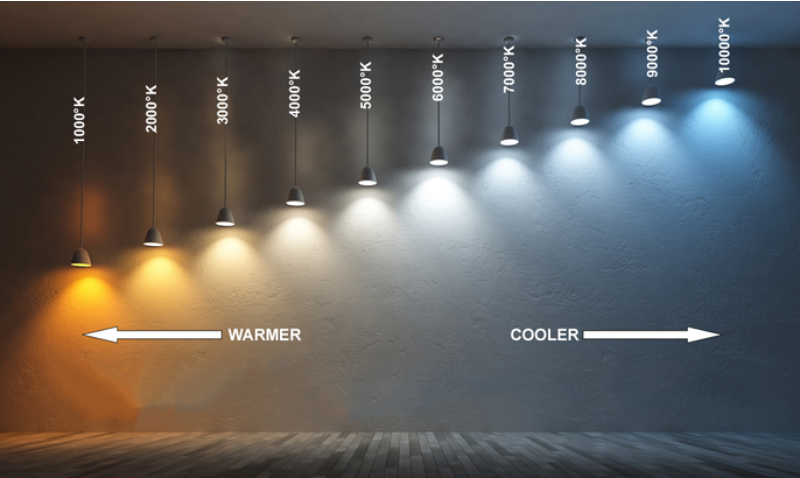
Measured in Kelvin (K), colour temperature describes the hue of light a bulb produces. For outdoor use, a colour temperature between 2700K and 6500K is highly recommended: lower values (around 2700K) create a warm, cosy glow, while higher values (closer to 6500K) mimic natural daylight – both work well for different outdoor lighting needs.
IP Rating
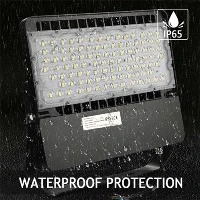
The IP rating is a measure of the degree of protection that a light fixture has against the intrusion of solids and liquids. Flood lights that are designed for outdoor use should have a minimum IP rating of 65 to protect them from the elements.
Glass Housing Type
For floodlight housings, tempered glass is a top pick – and for good reason. It's tough enough to resist impacts, scratches, and even harsh outdoor conditions (like heavy rain or wind-blown debris), so it holds up well long-term. If you want to take durability a step further, go for a floodlight with a die-cast aluminium housing too. This material adds extra sturdiness, helps dissipate heat (which extends the light's lifespan), and makes the whole product more reliable, even in frequent use.
Beam Angle and Control
Don't overlook the beam angle – it's key to getting the right coverage. This factor directly decides how much area the flood light can illuminate: a wide beam (think 100°+) works for big spaces like backyards or parking lots, while a narrow beam (30°–60°) is better for focusing light on specific spots, like entryways or garden features.
Modern tech also brings a handy upgrade: many flood lights now come with remote control. This lets you easily turn the light on/off, tweak brightness, or switch modes without climbing ladders – super useful if you've mounted the light in hard-to-reach places (like high walls or roof edges).
Together, we make it better.
Shenzhen Benwei Lighting Technology Co., Ltd.
Mobile/WhatsApp: (+86)18673599565
Email: bwzm15@benweilighting.com
Skype: benweilight88
Web: www.benweilight.com
Add: F Building, Yuanfen Industrial Zone, Longhua, Bao'an District, Shenzhen, China