What is high bay lighting, and for what purposes is it useful?

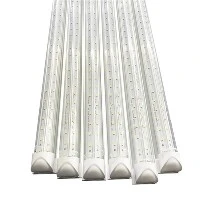
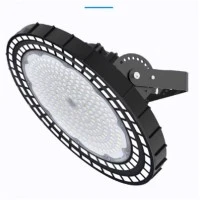
High bay lighting is often the best option for illuminating a large interior area. Think about areas like factories, warehouses, enormous department stores, gymnasiums, and other places that are often quite large and take up a lot of both vertical and horizontal space. To produce the necessary foot-candle levels to fully enlighten, this needs intense lighting. Typically, high bay lighting fixtures are attached to the ceiling directly or via hooks, chains, or pendants (similar to troffer lights). A demonstration of high bay lighting is seen in the picture above.
High bay lighting is necessary for a number of institutions and businesses. Among the most typical are:
1.Warehouses
2.industrial settings (Find out more information about industrial LED lighting here)
3.manufacturing establishments
4.gymnasiums at colleges and universities
5.municipal buildings, such as community centers or leisure facilities
6.apps for commerce like department stores
Why choose LED high bay lights over traditional high bay lights made of metal halide, fluorescent, or another material?
When high bay lights were needed in warehouse and industrial environments, many lighting methods were (and still are) used. Metal halide (MH), high pressure sodium (HPS), and fluorescent lights are a few of the most popular. Although each of these bulbs has advantages, industrial LED lighting performs far better than its traditional equivalents. Let's examine some of the many factors to take into account when determining if an LED retrofit is suitable for your warehouse or other industrial facility.
Industrial LED lighting vs high bay metal halide lights: If you've ever watched baseball, you've probably seen metal halide lighting the field. Sporting events and warehouse/industrial purposes often use MH lights (as well as any setting where large, high spaces need to be illuminated). Good color rendering and reasonably appropriate foot-candle levels are advantages of MH lights (as opposed to other types of conventional bulbs). They have a number of significant downsides, including a lengthy warm-up period (sometimes 15 to 30 minutes), a high maintenance cost, and failure characteristics like flickering on and off. In addition, a large portion of the energy they generate is lost as heat. Find out more about how LEDs differ from Metal Halide Lights.
High pressure sodium (HPS) vs LED high bay lighting When high bay lighting is acceptable, HPS lamps are often utilized in warehouse, industrial, commercial, and recreational facilities. Their advantages include inexpensive cost of purchase, good energy efficiency (low cost of operation), and an average lifetime. Although HPS lighting technology still has these benefits over the majority of conventional bulbs, LED high bay lighting triumphs on all three criteria. The weakest color rendering on the market and a warm-up time are disadvantages of HPS lights. Learn more about the differences between LED and high- and low-pressure sodium lights.
Industrial fluorescent lighting versus LED lighting: Despite being less frequent, fluorescent lighting is sometimes used in warehouse or industrial settings (primarily T12, T8, and T5 lights). Fluorescent lights have lower startup costs and comparatively good efficiency (especially when compared to other conventional bulbs). The presence of hazardous mercury (which need specific waste disposal techniques), shortened lifespan if turned on and off, and need for a ballast to steady the light are drawbacks. For additional information, read about LED vs. Fluorescent Lighting.