Promoting the body's synthesis of vitamin D is essential for addressing vitamin D deficiency, and this process mostly depends on exposure to ultraviolet rays (UVB). Therefore, vitamin D deficiency can be improved by selecting the appropriate light to mimic the UVB component of natural light.
1. UVB light or ultraviolet light
Suggested color temperature: UV radiation is often assessed by wavelength (290-315 nm), which is the UVB band and can efficiently encourage the skin's production of vitamin D from dehydrocholesterol.
Relevant situations: 290-315nm UVB LED lamps are frequently utilized in the medical industry, particularly for individuals who are unable to obtain vitamin D from natural sunlight (such as long-term indoor workers or inhabitants in high-latitude regions during the winter).
Precautions: To prevent excessive exposure that could harm skin or raise the risk of skin cancer, the duration and intensity of UVB lamp use must be carefully regulated.


2. A lamp with a full spectrum that mimics natural light
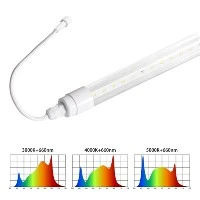
Suggested color temperature: Full-spectrum lamps typically have a color temperature of 5000K to 6500K, which is comparable to that of natural light and can produce a spectrum that resembles sunshine, including some ultraviolet components.
Relevant situations: Ideal for everyday use at home or at work, it can help with the issue of inadequate light and subtly encourage the production of vitamin D.
Notes: Natural sunshine or direct exposure to UVB lamps cannot be fully replaced by full-spectrum lamps due to their low ultraviolet intensity.
3. Exposure to natural sunshine
Best time: Morning or evening sunshine has more UVB rays, making it appropriate for outdoor activities lasting 10 to 30 minutes. This time exposes greater skin areas, like the arms and legs.
Notes: To prevent sunburn, avoid prolonged exposure at midday when the sun is at its strongest. However, short-term exposure without sunscreen is more effective because it blocks UV rays and interferes with vitamin D synthesis.
4. 290-315nm UVB LED lamps are the best light source for treating vitamin D shortage
Dietary change: Consume more foods high in vitamin D, such as egg yolks, cod liver oil, and marine fish.
Medication: One efficient method of rapidly raising the body's vitamin D levels is to take vitamin D supplements, such as vitamin D3, under a doctor's supervision.
UVB lamps are the best light source for treating vitamin D shortage since they may directly increase vitamin D production.
To enhance the everyday lighting conditions, a full-spectrum lamp (5000K–6500K) can be utilized as an auxiliary light source.
The most cost-effective and efficient method is to use natural sunshine, but the duration and intensity of exposure should be carefully considered.
To guarantee safety and efficacy, it is advised that light treatment be administered under a physician's or other professional's supervision if necessary.
you can choose UVB LED Lamp on https://www.benweilight.com/professional-lighting/uv-lighting/320nm-365nm-300nm-uvb-led-light-100w-200w.html