UV light, or ultraviolet light, is a tool commonly used in microbiology labs for various applications. Usually, UV light is employed for sterilization and disinfection of surfaces and equipment to prevent contamination.
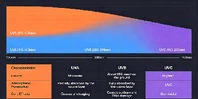
As a non-chemical approach, UV light works by destroying the genetic material of microorganisms like bacteria, viruses, and fungi. It primarily targets the nucleic acid, which is essential for the survival and replication of these microbes. UV light has a wavelength range of 200-400 nanometers (nm), classified into three categories: UV-A (315-400nm), UV-B (280-315nm), and UV-C (200-280nm). Among these, UV-C is the most germicidal with the shortest wavelength, highly effective in killing microorganisms in a matter of seconds or minutes.
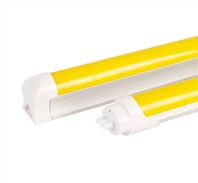
In the microbiology lab, UV light is commonly used for sterilizing equipment such as pipettes, petri dishes, and air filters. Before and after using these items, they are exposed to UV light to kill any unwanted microorganisms that may have survived the previous sterilization process. UV light can also be used to disinfect surfaces and the surrounding air in the lab, especially in areas where biological safety cabinets and laminar flow hoods are installed.
One particular use of UV light in the lab is in the analysis of microorganisms' DNA. UV light is used to visualize and analyze DNA samples in gel electrophoresis, a technique used to separate DNA fragments based on their size. DNA samples are stained with a fluorescent dye and then exposed to UV light to become visible. The DNA fragments show up as bright bands under UV light, and the resulting pattern provides information about the size and quantity of the DNA fragments.
However, UV light exposure is hazardous to human health, and prolonged exposure can lead to skin and eye damage. Thus, precautions should be taken when using UV light, such as wearing protective goggles and gloves, and ensuring that the lamp's bulb is not damaged or covered. Additionally, observing proper safety guidelines and regularly cleaning and maintaining the equipment can ensure its optimal performance and prevent contamination.
In summary, UV light is a valuable tool in modern microbiology labs, primarily used for sterilization, disinfection, and DNA analysis. While taking precautions, its use can promote a safer and more efficient research environment.