Chickens have specific lighting needs during both brooding and laying periods to ensure optimal health and production. The type of lighting required can vary depending on several factors, including age, breed, and housing conditions.
During the brooding phase, newly hatched chicks need a warm and well-lit environment to thrive. This can be achieved through the use of brooder lamps or heating pads, with a recommended temperature range of 90-95°F for the first week of life. As the chicks grow, the temperature can be gradually lowered to 70-75°F by the end of the fourth week.
In addition to warmth, brooding chicks also require bright and consistent lighting. The use of full-spectrum bulbs or natural light can help promote healthy growth and development. It is recommended to provide 18-20 hours of light per day for brooding chicks, gradually reducing to 14-16 hours by six weeks of age.
For laying hens, lighting plays an important role in regulating their reproductive cycles and egg production. The use of artificial lighting is common in commercial egg production to extend daylight hours and increase egg output. However, it is important to note that excessive or inconsistent lighting can lead to stress and poor health in laying hens.
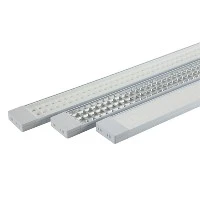
The most effective lighting for laying hens is a combination of natural daylight and artificial light sources. It is recommended to provide a minimum of eight hours of darkness per day to allow for rest and repair. For maximum egg production, a lighting regimen of 14-16 hours of light per day should be utilized. This can be achieved through the use of fluorescent or LED bulbs, preferably with a wavelength of 600-650 nanometers to mimic natural sunlight.
In conclusion, the type of lighting required for chickens during brooding and laying periods depends on several factors. However, ensuring that their lighting needs are met is crucial for their health and productivity. Providing a warm and well-lit environment for brooding chicks and a balanced lighting regimen for laying hens can contribute to their overall wellbeing and success.