When choosing induction LED lights for underground garages, it is necessary to comprehensively consider environmental characteristics (such as darkness, humidity, intermittent flow of people and vehicles), energy-saving requirements, and installation and maintenance convenience. The following are optimization solutions for different scenarios:
I. Core demand analysis
High-sensitivity detection: Quick response when vehicles or pedestrians enter to avoid "blind spots".
Strong anti-interference ability: Avoid false triggering due to dust, ventilation equipment, etc.
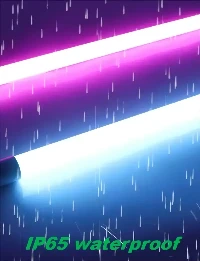
Long life & waterproof and dustproof: The underground environment is humid and dusty, and IP65 and above protection is required.
Low standby power consumption: The key to energy saving in 24-hour normal operation scenarios.
II. Comparison of induction light types and selection recommendations
1. Radar ( Microwave sensor ) induction LED lights (preferred solution)
Principle: Detect moving objects through the Doppler effect (5-8 meters range).
Advantages:
Strong penetration, can cover the metal shielding of the car body (better than infrared).
Adjustable sensitivity to avoid false triggering of small animals.
Supports presence sensing (static vehicles/personnel can also keep the lights on).
Applicable scenarios: main lane lighting, top installation of parking spaces.
Recommended parameters:
Power: 20-40W (lane), 10-15W (parking space)
Delayed shutdown: 30-60 seconds (adjustable)
Protection level: IP65
2. Infrared sensing ( PIR sensor ) LED lights (low-cost alternative)
Principle: sensing human body heat (passive PIR), detection angle 120°.
Disadvantages:
Susceptible to temperature interference (may fail in hot garages in summer).
Poor response to slow-moving objects (such as carts).
Applicable scenarios: pedestrian walkways, stairwells.
Selection points: Choose dual-detection infrared + photosensitive (avoid false start during the day).
3. Sound and light control LED lights (economical but outdated)
Principle: sound + light dual trigger.
Problem:
Vehicle noise may not be effectively triggered (electric vehicles are quiet).
Frequent voice control causes nuisance.
Only recommended: temporary parking lots or extremely low budget scenarios.
III. Installation layout optimization tips
Lane lighting:
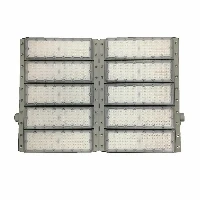
Use radar induction floodlights, with a spacing of 6-8 meters, an installation height of 3-4 meters, and an inclination angle of 15° downward.
Linkage design: After the first light is triggered, the adjacent lamps are gradually lit (networking function must be supported).
Parking space lighting:
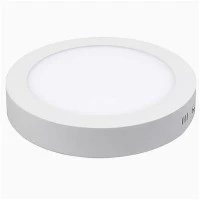
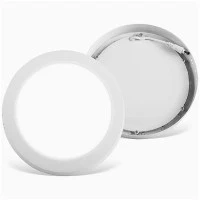
A 10W radar induction downlight is installed on the top of each parking space, and vertical detection is performed to avoid interfering with neighboring vehicles.
Or use underground induction lights (triggered when the wheels pass over, but the cost is high).
Pedestrian passage:
Infrared induction wall lights are installed on both sides (height 2.5 meters) to supplement low-level lighting.
4. Pitfall avoidance guide
❌ Avoid pure light-controlled lamps: underground garages have no natural light all year round, which will lead to constant light waste.
❌ Reject inferior radar lights: miscellaneous brand products may misdetect ventilation duct vibration, and multi-level sensitivity adjustment is required when selecting.
✅ Prioritize zoning and control: separate the circuits of lanes, parking spaces, and pedestrian areas to avoid power consumption in the entire garage.
VI. Upgrade solution (smart garage)
LoRa wireless networking: After the lamp senses people and vehicles, it triggers adjacent lamps through wireless signals, saving energy while eliminating lighting blind spots.
Brightness adjustment: The brightness is automatically reduced to 50% during low-traffic periods at night, and restored to 100% after sensing a vehicle.
Radar sensing LED lights (lanes/parking spaces) + infrared sensing lights (pedestrian assistance) are the first choice for underground garages. If the budget is sufficient, the intelligent control system can be upgraded. Pay attention to adjusting the detection angle and linkage logic during installation to avoid the embarrassment of "lights on but people have left".