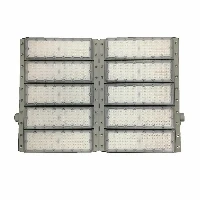
Since LED lights contain potentially hazardous components if improperly handled, proper disposal is crucial to safeguarding both human health and the environment. This article, which is 1,000 words long, explains where and how to dispose of LED lights.
A Complete Guide to LED Light Disposal Locations
LED lights' long lifespan, low maintenance needs, and energy efficiency have completely changed the lighting sector. However, it's crucial to understand the correct disposal techniques when it's time to replace them. LED lights include specific ingredients that must be handled carefully to prevent environmental pollution and possible health hazards, in contrast to conventional incandescent bulbs, which are generally safe.
Centers for Municipal Recycling
Municipal recycling facilities are among the most popular and convenient ways to get rid of LED lights. LED lights are among the many types of electronic waste that can be recycled at facilities run by numerous local governments. Circuit boards, drivers, and glass or plastic casings are among the special parts of LED lights that these centers are prepared to handle.
When it comes to LED lights, municipal recycling facilities frequently have special protocols in place. If at all possible, they might ask you to disassemble the various components of the light fixture. For instance, some facilities could request that you take the LED lights out of their fixtures and put them in different containers. The materials can be processed and recycled more effectively because to this separation.
Municipal recycling centers have the benefit of being conveniently situated in residential areas, which makes it easy for people to dispose of their used LED lights. Furthermore, local environmental authorities oversee these centers, guaranteeing that the recycling procedure complies with all environmental regulations.
Take-Back Programs for Retailers
A lot of stores that sell LED lights have return policies. When customers buy new LED lights, they can return their old ones to the store thanks to these initiatives. In order to guarantee that the returned lights are recycled or disposed of in an environmentally responsible way, retailers frequently collaborate with recycling businesses.
Customers find retailer take-back schemes handy since they allow them to buy new lights and get rid of their old ones at the same time. There are designated drop-off locations for electronic waste, including LED lights, at certain major electronics and home improvement stores. By taking part in these initiatives, customers support merchants' efforts to promote sustainability while also helping to ensure effective waste management.
It's crucial to remember that not all stores provide return policies, and the terms and circumstances could differ. While some retailers may limit the number or kind of LED lights they will accept, others might only accept lights that were initially purchased from them.
Facilities for Recycling Electronic Waste
For disposing of LED lights, specialized electronic trash (e-waste) recycling facilities are a great alternative. LED lights, laptops, televisions, and other appliances are just a few of the many electrical devices that these facilities are made to handle. They can properly dispose of any hazardous components and collect valuable elements from the e-waste thanks to their sophisticated equipment and procedures.
LED lights are meticulously disassembled at e-waste recycling plants. Copper, aluminum, and other important metals are recovered and recycled so they can be used again to make new items. Additionally, the glass or plastic casings are treated and disposed of in an environmentally responsible manner or recycled. Strict environmental standards govern the management of any potentially hazardous materials, such as trace levels of heavy metals found in certain LED components.
Despite providing a high-quality disposal option, e-waste recycling facilities can not be as conveniently situated as merchants or municipal recycling sites. However, employing an e-waste recycling center is frequently the best option for larger amounts of LED lights, such as those from commercial or industrial settings.
Recycling Programs Sponsored by Manufacturers
In certain places, hazardous trash collection activities are organized by environmental organizations or local governments. These gatherings, which occasionally incorporate LED lights, are especially made to gather and securely dispose of anything that contain hazardous compounds.
Events for the collection of hazardous trash are usually scheduled once or twice a year. They give locals a chance to bring in a range of dangerous materials, such as paints, batteries, insecticides, and outdated LED lights. The objects gathered during these activities are taken to specialist facilities for recycling or appropriate disposal.
Attending hazardous trash collection events is a smart choice, particularly for people who need to get rid of a few LED lights and want to make sure the process has the least negative influence on the environment. It's crucial to keep up with these occurrences by visiting the websites of environmental organizations, local government announcements, and community newsletters.
In conclusion, there are a number of ways to get rid of LED lights, and each has pros and downsides of its own. Proper disposal is essential for preserving the environment and saving precious resources, whether it is done through hazardous trash collection events, store take-back programs, municipal recycling centers, manufacturer-sponsored programs, or e-waste recycling facilities. Customers may contribute significantly to the advancement of a more sustainable future by being aware of these disposal choices and taking the effort to properly dispose of LED lights.