Your cooking pan is begging for omelets and scrambled eggs...
Only in your nightmares do you see those brown-shelled eggs; the egg cartons are empty.
A poultry owner has a difficult time of year during the winter.
Fewer eggs result from shorter days, and you watch as dollars fly out of your pocket to cover the feed costs while getting nothing in return.
So what does a homesteader who loves eggs do?
Why Chickens Don't Lay Eggs in the Winter?
There are a few reasons why you can anticipate seeing fewer eggs in the nesting boxes throughout the winter:
1. Shorter daylight hours – Light stimulates a chicken's reproductive cycle, and to sustain optimal egg production, hens require 14 to 16 hours of light each day. When there are just nine hours of daylight each day in certain places throughout the winter, the chicken's body stops producing those stunning orange-yolked eggs.
2. Molting – A chicken goes through a process of losing feathers and sprouting new ones every year. The molt is at hand. Chickens typically molt in the autumn or the first few months of winter, however flocks may vary substantially in this regard. Since growing new feathers is a significant event (feathers are nearly entirely composed of protein), it makes perfect sense that a chicken would stop laying during the molting process. Their body must use its energies to producing feathers rather than eggs.
3. Temperature Changes – While abrupt reductions in temperature can have a negligible impact on egg production, I'm going to guess that the other two variables are the main players in this situation. However, don't be shocked if a severe cold spell causes your flock to become eggless as too.
How to utilize extra illumination in the winter in the chicken coop?
1.Two Techniques for Increasing Egg Production in the Winter 1. Forced Molting – (Note: I do not advise this, but I thought it necessary to note...) Since it's not very economical to keep non-laying birds around for a part of the year, molting is a problem for commercial poultry farms. Withholding feed, using medications or hormones, or both have been methods used by industrial flocksters to manage or compel a molt. Expect no instructions any time soon, since I have no intention of implementing this technique on my property.
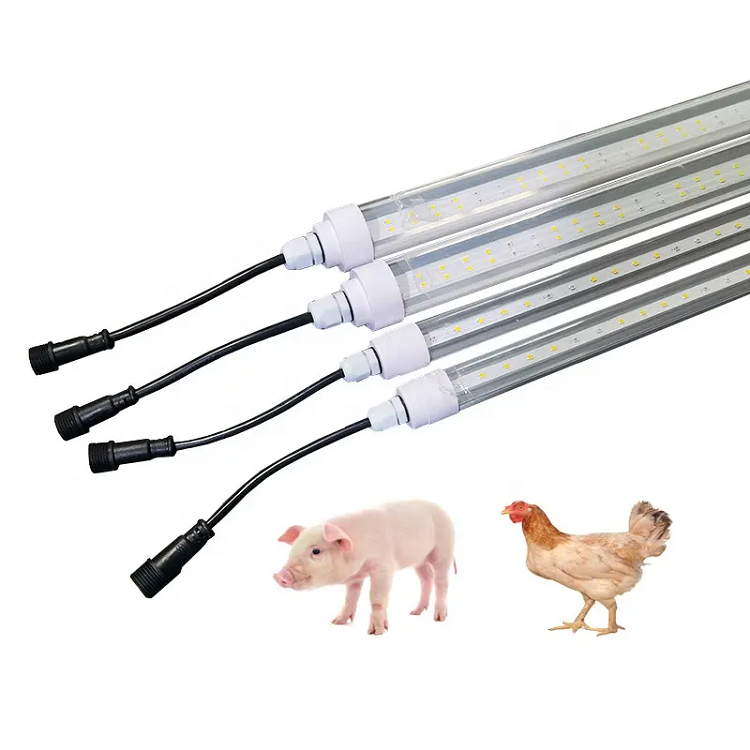
2. More illumination - Increasing the lighting in the chicken coop is still an artificial procedure, but it is a little gentler than forced molting in terms of maintaining egg production. However, if you want to provide artificial illumination for your birds, there is definitely a procedure you should follow.
The Rules for Using Extra Lighting in a Chicken Coop
DON'T introduce any artificial lighting schemes until your hens are at least 20 weeks old.
DON'T use anything other than a standard 25 or 40 watt bulb that is hung far from feathers and bedding.
DON'T suddenly raise your illumination (for example, from zero supplementary lighting to five hours per day). Instead, gradually increase your lighting over time. Many experts advise increasing by 30 to 60 minutes per week.
For optimal effects, aim for 14–16 hours of light every day. Less eggs will be laid if the period is less than 14 hours. Anything longer than 16 to 17 hours may cause the birds stress and make them completely stop laying.
DON'T add the additional nighttime hours. Instead of leaving them in the dark when the light goes out at night, choose the early morning hours instead.
Use a timer to ensure that your lighting efforts are very constant.
How to utilize extra illumination in the winter in the chicken coop?
Therefore, while you CAN use lights, should you?
Whether you believe it or not, there is a lot of discussion about artificial lighting in chicken coops.
Benefits of Additional Coop Lighting
For feeding your flock all winter long, you're receiving something in return.
Drawbacks of Additional Coop Lighting
The inconvenience of setting up a timer or turning on/off lights must be dealt with.
Keep in mind that leaving a light bulb on in the coop unattended might result in a fire (this is the main reason I don't use heat lamps in my coop).
Some proponents of the chicken industry contend that forcing hens to lay in the presence of more light is stressful on the animals and leads them to "wear out" sooner. This practice hinders chickens from following their normal reproductive cycle.
In my opinion
I've finally made up my mind to accept eggs as a seasonal meal after years of debating whether to add illumination to the chicken coop. This is a simple idea when producing fruits and vegetables, but it may be challenging to understand when it comes to other food items since we are used to having access to them whenever we want at the grocery store.
It's become more and more obvious to me as we've increased our efforts to produce our own food that milk and eggs are just as seasonal as maize and beans. It's OK to go through seasons when we don't consume scrambled eggs four times a week.
As a result, we don't use any extra lighting in our coop at the moment. It makes caring for chickens easier for us, and I feel good about allowing my hens to take a rest naturally. We usually make it till laying resumes in the spring even though I only sometimes receive a few eggs each week or sometimes none at all.
Here are some techniques to lessen the impact if you're still having a hard time accepting the idea of being eggless:
Eat less eggs: This one seems apparent, but I've discovered that we can live without eggs for a period of time each year without anything bad happening. And when the chickens are producing copiously, we naturally overindulge in omelets, custards, crepes, and fried eggs. It's a fruitful compromise.
Preserve eggs when they are most plentiful: As some of you are aware, my previous attempts at doing so have been a touch shaky, but it is absolutely possible. Just in case you're curious, here are my instructions for freezing eggs and my unsuccessful attempts at dehydrating eggs (I hope you have better success than I did!).
Purchase from your neighbors I'm willing to purchase or trade eggs from a neighbor's flock when they continue to lay copiously throughout the winter.
Get creative with your feed budget – If feeding your flock makes you absolutely shudder despite the fact that you are eggless, check out this extensive list of methods to save costs on chicken feed.