Why do LED flood lights fail so quickly?
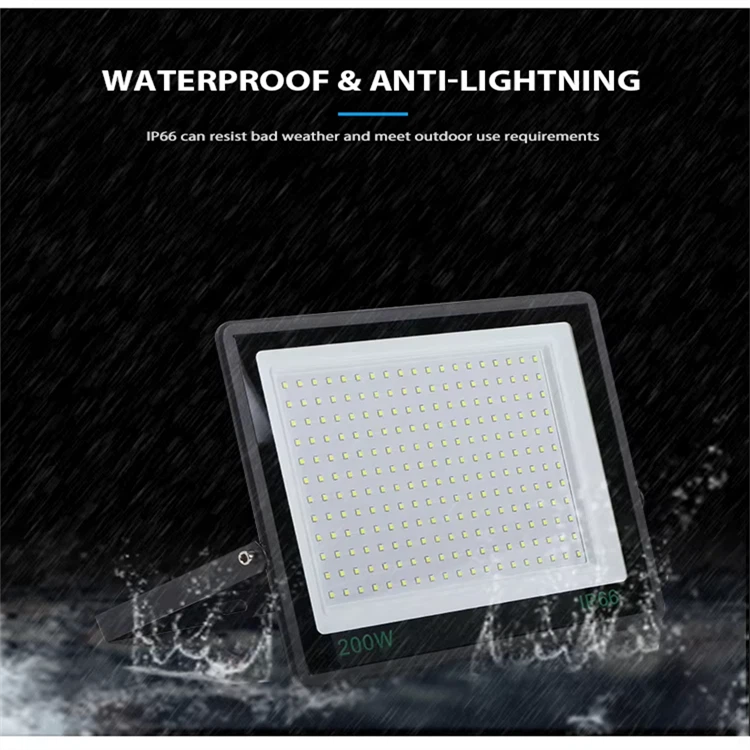
LED flood lights have achieved broad appeal in recent years due to their energy efficiency, extended lifespan promises, and dazzling lighting. However, many users find themselves upset when these lights fail considerably sooner than planned. Several causes lead to the premature failure of LED flood lights, ranging from manufacture faults to environmental conditions and incorrect usage. Understanding these aspects can help consumers make educated decisions when selecting and maintaining their LED flood lights.
One of the key causes for the premature failure of LED flood lights is lower component quality. LEDs themselves are semiconductor devices, and the quality of the chips used in flood lights varies greatly. Low-quality LED chips may have poor heat conductivity, uneven light dispersion, or inadequate durability. When these chips are subjected to continuous operation, they create excessive heat that cannot be dispersed adequately, leading to deterioration over time. Additionally, the packing of the LED chips is critical. Cheap packing materials may not protect the chips from moisture, dust, or physical damage, causing them to fail prematurely.
Another essential component that impacts the longevity of LED flood lights is the driver circuit. The driver converts alternating current (AC) to direct current (DC) and adjusts the voltage and current provided to the LEDs. Poorly constructed or low-quality drivers are prone to overheating, voltage spikes, and current variations. These flaws can destroy the LEDs by putting them to severe electrical stress. For example, a driver that fails to control current appropriately may send too much current through the LEDs, causing them to burn out. Moreover, drivers with weak protective measures, such as over-voltage or over-current protection, are more likely to fail under strong electrical circumstances, taking the entire flood light with them.
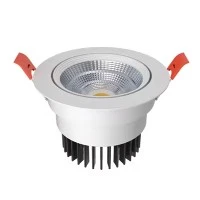
Thermal management is a significant role in the lifespan of LED flood lights, and insufficient thermal management is a typical cause of premature failure. LEDs create heat during operation, and if this heat is not dispersed properly, it can collect and harm the LED chips and other components. Many low-cost LED flood lights lack appropriate heat sinks or employ heat sinks constructed from low-quality materials with poor thermal conductivity. The design of the heat sink is also crucial; a badly constructed heat sink may not have enough surface area to disperse heat properly, or it may be positioned in a way that inhibits airflow. Over time, the generated heat might cause the LED chips to deteriorate, resulting in diminished brightness and eventual failure.
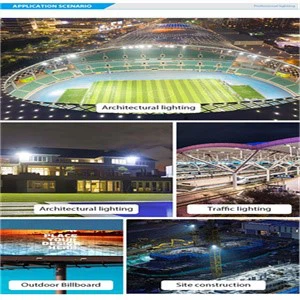
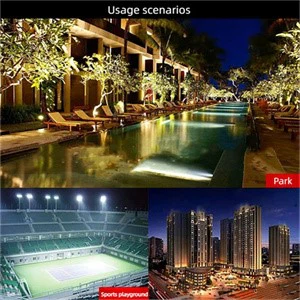
Environmental circumstances also play a crucial effect in the failure of LED flood lights. These lights are commonly used outdoors, where they are exposed to severe temperatures, dampness, dust, and debris. High temperatures can hasten the depreciation of LED chips and other components, while low temperatures can induce moisture inside the light fixture, leading to corrosion and short circuits. Moisture is particularly hazardous, as it may seep into the fixture and ruin the electronics. Dust and debris can collect on the LED chips and heat sinks, decreasing their capacity to dissipate heat and obstructing light output. In places with high humidity or regular rain, LED flood lights without sufficient sealing or waterproofing are especially prone to failure.
Improper installation and usage can also lead to the early failure of LED flood lights. Installing the light in a position with inadequate ventilation might hinder airflow, resulting to greater heat accumulation. Mounting the light too close to other things, such as buildings or trees, can potentially hinder heat dissipation and cause overheating. Using the improper type of LED flood light for the application might also be an issue. For example, utilizing a light with a lower wattage than required may result in overloading, as the light is forced to work more to generate the appropriate brightness. Additionally, repeated on/off cycles might inflict stress on the LED chips and driver circuit, shortening their lifespan.
Voltage fluctuations and power surges are another typical reason of LED flood light failure. The electrical system is vulnerable to changes in voltage, and power surges can occur due to lightning strikes, utility company troubles, or the operation of heavy appliances. LED flood lights are sensitive to these oscillations, and frequent exposure to high voltage can damage the driver circuit and LED chips. Without effective surge protection, the lights are exposed to these electrical disturbances, which can cause abrupt failure or progressive deterioration over time.
The quality of the production process is also a factor in the longevity of LED flood lights. Poor manufacturing methods can result in faults such as weak connections, incorrect soldering, or irregular component positioning. These faults can cause electrical resistance, heat accumulation, and eventual failure. In rare circumstances, manufacturers may make corners to decrease costs, employing poor materials or missing quality control tests. This can result in a greater risk of premature failure among their goods.
Finally, lack of maintenance might lead to the failure of LED flood lights. While LED lights require less care than typical incandescent or fluorescent lights, they nevertheless benefit from regular cleaning and inspection. Accumulated dust and dirt should be cleaned from the light fixture and heat sinks to guarantee effective heat dissipation. It is possible to spot potential problems before they lead to failure by checking for indicators of damage, such as fractures in the housing or loose connections. Looking for these symptoms can assist. When it comes to applications that take place outside, it is essential to do routine inspections of the waterproofing and sealing material to guarantee that moisture does not penetrate the fixture.
In conclusion, the premature failure of LED flood lights is a complicated problem that may be ascribed to a number of different variables. Inadequate component quality, inadequate thermal management, ambient conditions, inappropriate installation and usage, voltage fluctuations, manufacture faults, and a lack of maintenance are all factors that contribute to the diminution of the lifespan of these lights. By gaining an awareness of these aspects, users will be able to take the necessary measures to select LED flood lights of superior quality, ensure that they are installed correctly, safeguard them from environmental and electrical risks, and conduct routine maintenance on them. This will assist to guarantee that their LED flood lights give illumination that is dependable and lasts for an extended period of time.
https://www.benweilight.com/led-track-light/new-100w-200w-250w-500w-ip66-stadium-led.html
Together, we make it better.
Shenzhen Benwei Lighting Technology Co.,Ltd
Mobile/Whatsapp :(+86)18673599565
Email:bwzm15@benweilighting.com
Skype: benweilight88
Web: www.benweilight.com
Add:F Building,Yuanfen Industrial Zone,Longhua,Bao'an District,Shenzhen, China