What is the problem with LED flood lights?

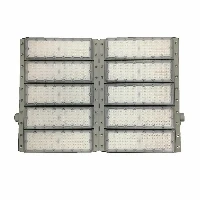
As a high-efficiency and long-lasting alternative to traditional halogen or metal halide flood lights, LED flood lights have acquired significant appeal. These flood lights have found uses in a variety of commercial and industrial settings, including outdoor security, sports facilities, architectural illumination, and industrial locations. Because of their energy efficiency, which may lower power usage by up to 75% in comparison to earlier technologies, and their prolonged longevity, which often lasts for 50,000 hours or more, they have become the preferred option for users in both residential and commercial settings. On the other hand, LED flood lights do not come without any negatives, despite the fact that they have a multitude of benefits. The performance of these devices can be negatively impacted by a variety of difficulties, including those pertaining to light pollution and glare, as well as technological obstacles such as heat management and color constancy. These issues can also cause environmental concerns and possible safety dangers. The purpose of this essay is to shed light on the reasons why LED flood lights, which are otherwise promising fixtures, sometimes fail to meet expectations in specific circumstances by examining the fundamental concerns that are linked with them.
The fact that LED flood lights contribute to higher levels of light pollution is one of the most serious and far-reaching issues associated with these lights. Many LED flood lights create a high-intensity, cool-white light (5000K or more) that scatters more readily in the environment. This is in contrast to conventional flood lights, which typically emit a warmer and more diffused glow. Skyglow, which is the brightening of the night sky above urban and suburban areas, is caused by this scattering, which disrupts the normal light cycles that naturally occur for humans, wildlife, and ecosystems simultaneously. In humans, exposure to an excessive amount of artificial light at night can disrupt circadian rhythms, which can result in dysfunctional sleep patterns, elevated levels of stress, and even an increased likelihood of developing certain health diseases. Birds rely on natural light signals for migration and navigation, and artificial flood lights can cause them to get disoriented, which can result in accidents with structures or cause them to detour from their tracks. The impact on animals is more severe. The presence of bright lights attracts insects, which are an essential component of the food chain. This, in turn, causes population decreases in regions that have an excessive amount of LED flood lighting. This, in turn, has an impact on species that are dependent on insects for food, such as bats and birds. There is also a negative impact on marine life, since coastal flood lights have the potential to interrupt the nesting routines of sea turtles. Sea turtle hatchlings rely on moonlight to navigate their way to the ocean.
Glare is another issue that continues to be a problem with LED flood lights. This problem is caused by the high intensity and directed nature of LED flood lights. The light that is emitted by LED diodes is more concentrated than the light that is emitted by conventional bulbs, and flood lights are meant to spread this light across considerable regions. However, this concentration of light can result in excessive glare, which is a harsh and unpleasant brightness that reduces visibility by overpowering the eye's capacity to adjust to different levels of light. The glare that is produced by LED flood lights is especially problematic in residential areas since it can penetrate into adjoining houses, causing trouble sleeping and discomfort for those who are residing there. Glare from LED flood lights that are either improperly positioned or excessively bright near roadways can temporarily dazzle drivers, which in turn increases the likelihood of them being involved in an accident. Glare can have a negative impact on the performance of athletes working out at sports facilities, which are required to have flood lights for nighttime games. Glare makes it more difficult for athletes to track moving objects, such as opponents or balls. Even security lighting, which is dependent on visibility, can be counterproductive if there is an excessive amount of glare. This is because the pupils of the eye contract in reaction to bright light, which significantly reduces the capacity to see into shadows, which is where possible dangers could lurk.
It is a frequent misunderstanding that LED flood lights "produce no heat." However, heat management is a technological difficulty that affects many LED flood lights. While it is true that LEDs convert more energy into light and less energy into heat in comparison to incandescent bulbs, it is also true that LEDs still create a substantial amount of thermal energy, particularly in high-wattage flood lights (100W or above). In order to avoid causing damage to the LED chips and other components, it is necessary to adequately disperse this form of heat. A significant number of LED flood lights that are affordable do not have sufficient heat sinks or thermal management mechanisms, which results in the lights overheating. If LEDs are allowed to overheat, their performance will deteriorate, including a reduction in brightness, the occurrence of color changes, and a significant reduction in their lifespan. However, if it is allowed to overheat for an extended period of time, a flood light that is designed to last for 50,000 hours might fail in as little as 10,000 hours. Not only does this result in a rise in the price of replacement, but it also generates trash, which undermines the environmental benefits that LED technology offers. Particularly in enclosed or inadequately ventilated places, such as recessed fixtures or covered outdoor areas, the accumulation of heat is considerably more evident, which makes the problem even more prevalent.
In addition to color instability and poor color reproduction, LED flood lights have a number of other concerns that might potentially influence their quality. LEDs make light by combining a blue diode with a phosphor coating, which transforms some of the blue light to other wavelengths. This is in contrast to typical halogen flood lights, which emit a warm, full-spectrum light. LEDs produce light by combining these two components because they produce light. It is possible for this technique to result in color changes between individual bulbs or even within the same batch, which can lead to uneven illumination in regions where several flood lights are being utilized. As an illustration, a sports field that is lighted by several LED flood lights may have areas of lighter, bluer light and areas of warmer, yellower light, which would result in an appearance that is visually devoid of coherence. One further thing to be concerned about is the color rendering index (CRI). A lot of LED flood lights have a low CRI (below 70), which means that they are unable to effectively replicate the colors of the things they are looking at. This can be troublesome in environments where color recognition is critical, such as security lighting; a low color rendering index (CRI) can make it difficult to differentiate between hues, which has the potential to impair the identification of individuals, cars, or other things. Low color rendering index (CRI) lighting in architectural lighting can distort the look of building materials, which in turn reduces the aesthetic effect of the design.
Incompatibility with dimmers or variations in the electrical supply can create flickering in some LED flood lights, which is a less noticeable but equally severe issue. Both of these factors can induce flickering. LEDs are sensitive to changes in current, in contrast to incandescent bulbs, which glow continuously. Drivers, which are the components that regulate power to the LEDs, can cause them to flicker at frequencies that are either visible to the naked eye or, more concerningly, at frequencies just below the threshold of perception. This is because LEDs are sensitive to changes in current. Sub-visible flicker is more subtle than visible flicker, which can cause headaches or eye strain. Studies have connected sub-visible flicker to increased stress, fatigue, and even seizures in those who have photosensitive epilepsy. Visible flicker is bothersome and can cause headaches or eye strain. There is a possibility that flicker might cause interference with camera systems in outdoor security applications. This could result in the video footage seeming grainy or distorted, which would reduce the efficiency of the monitoring.
One of the most common sources of irritation for those who utilize LED flood lights is the fact that they have problems with compatibility with their existing electrical systems and dimming controls. Incandescent or halogen flood lights, which require a different set of electrical principles to function than LED flood lights, were installed into a significant number of older homes and buildings. LED flood lights are typically linked to AC mains using a driver, despite the fact that they need low-voltage direct current (DC) power. It is possible for the driver to produce problems like as flickering, buzzing, or even full failure if it is not compatible with the wiring or dimmer switches that are already already in place. Even when dimmers are branded as "LED-compatible," it is possible that they may not function without any problems with all LED flood lights, particularly those with large wattages. Users are frequently need to replace not just the flood lights but also their dimming systems as a result of this incompatibility, which can result in an increase in both the overall cost and the complexity of the update.
However, despite the fact that LED flood lights save energy over the long run, the cost continues to be a barrier for certain customers. Although there has been a substantial decrease in pricing over the past several years, high-quality LED flood lights, which are characterized by their ability to effectively regulate heat, high color rendering index (CRI), and robust construction, are still more expensive initially than older halogen or fluorescent alternatives. When it comes to large-scale projects, such as lighting a sports stadium, where the initial expenditure is high, this might be a disincentive for customers who are concerned about their financial situation. Unfortuitously, many users choose LED flood lights that are of poorer quality and cost less in order to save money. However, they end up experiencing difficulties such as early failure, poor performance, or frequent replacements, which cancel out any initial cost savings.
Flood lights that use LED technology are plagued by environmental problems in addition to light pollution. Electric light emitting diodes (LEDs) are manufactured using rare earth elements like gallium and indium, the extraction of which requires a significant amount of energy and is harmful to the environment. Additionally, despite the fact that LEDs have a longer lifespan than conventional bulbs, they are not easily recyclable owing to the complexity of their manufacture, which includes plastic housings, circuit boards, and drivers. As a result, a significant number of LED flood lights are disposed of in landfills, where the harmful substances contained inside their components have the potential to leak into the ground and water. In addition, the rapid development of LED technology adds to a cycle known as "planned obsolescence." This cycle occurs when newer versions that are more efficient are launched often, which encourages consumers to replace flood lights that are fully working, hence increasing the amount of electronic waste.
When exposed to hostile settings, durability difficulties are another difficulty that arises. The term "weatherproof" or "outdoor-rated" is frequently used to describe LED flood lights; nevertheless, the majority of these lights are not able to resist harsh circumstances. Depending on the circumstances, water infiltration, corrosion of components, or deterioration of the light's casing can occur if the light is subjected to heavy rain, snow, high humidity, or severe temperatures. This is especially true for flood lights of low quality that have inadequate sealing or materials that are not resistant to ultraviolet radiation that are used. In coastal places, seawater spray can hasten the process of corrosion, but in desert regions, sand and dust can penetrate the fixture, causing damage to the LEDs and drivers. The consequence is a decrease in performance or a total failure, which necessitates increasing the frequency of replacements and the expenses associated with maintenance.
A conclusion may be drawn that LED flood lights, despite the fact that they offer major advantages in terms of energy efficiency and lifetime, are not without their respective drawbacks. These obstacles can restrict their efficacy and generate unexpected effects. These challenges include light pollution and glare, which disturb ecosystems and human well-being. Additionally, technical concerns like as heat management, color inconsistency, and flicker can also impact their effectiveness. The usage of these products is further complicated by compatibility challenges, high initial prices, and environmental considerations associated to manufacture and disposal. In order to address these issues, it will be necessary to make improvements in design, such as designing better heat sinks, improving color rendering, and developing optics that reduce glare. Additionally, responsible usage practices will be required, such as selecting suitable light levels, directing light where it is required, and recycling old fixtures in the appropriate manner. It is possible for users and manufacturers to guarantee that LED flood lights continue to live up to their promise of being a high-performance lighting solution that is also environmentally friendly if they acknowledge and address these challenges.
https://www.benweilight.com/industrial-lighting/led-flood-light/rgbcw-flood-light.html
Together, we make it better.
Shenzhen Benwei Lighting Technology Co.,Ltd
Mobile/Whatsapp :(+86)18673599565
Email:bwzm15@benweilighting.com
Skype: benweilight88
Web: www.benweilight.com
Add:F Building,Yuanfen Industrial Zone,Longhua,Bao'an District,Shenzhen, China