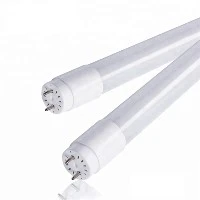
Why Does an LED Light Still Glow After Being Turned Off?
Introduction
Have you ever noticed a faint glow from your LED bulb even after switching it off? This puzzling phenomenon is more common than you might think and often leaves people wondering if their lights are haunted or malfunctioning. In reality, there's a perfectly good scientific explanation for why LEDs sometimes continue to emit light after being turned off. This article will explore the technical reasons behind this glow, examine real-world cases, and provide solutions for those who find it bothersome.
Understanding LED Technology
To comprehend why LEDs behave this way, we first need to understand how they differ from traditional incandescent bulbs:
Incandescent bulbs work by heating a filament until it glows, producing light as a byproduct of heat
LEDs (Light Emitting Diodes) are semiconductor devices that emit light when electrical current passes through them in the correct direction
This fundamental difference in operation explains why LEDs can exhibit behaviors that seem unusual compared to what we're accustomed to with older lighting technologies.
The Science Behind the Afterglow
Several technical factors can cause an LED to continue glowing faintly after being switched off:
1. Residual Current in the Circuit
Even when a switch is off, tiny amounts of current may still flow through the circuit due to:
Capacitive coupling: Nearby live wires can induce small currents in the switched circuit
Imperfect switches: Some switches don't provide complete isolation
Electronic components: Certain components may retain small charges
For traditional bulbs, this minuscule current is insufficient to produce visible light, but LEDs are so efficient that even these small currents can cause a faint glow.
2. Energy Stored in the LED Driver
LED bulbs contain driver circuits that convert household AC power to the DC power LEDs require. These circuits often include:
Capacitors that can store electrical energy
Inductors that can maintain current temporarily
Other components that may discharge slowly
This stored energy can power the LED briefly after the main power is cut off.
3. Phantom Voltage and Induction
In some wiring setups, especially where cables run parallel for long distances:
Live wires can induce voltage in nearby switched wires
This "ghost voltage" can be enough to cause LEDs to glow faintly
The effect is more pronounced in modern, highly efficient LEDs
Real-World Cases and Examples
Case Study 1: The Bedroom Nightlight Effect
John from Seattle reported: "I installed LED bulbs in my bedroom but noticed they never fully turn off. There's always a faint glow, enough to see outlines in the dark." After investigation, it was found that:
The bedroom switch only interrupted the hot wire (standard practice)
The neutral wire remained connected to the bulb at all times
Capacitive coupling between hot and neutral wires in the wall provided enough current for a faint glow
Solution: Installing a resistor across the LED terminals absorbed the stray current and eliminated the glow.
Case Study 2: The Mysterious Staircase Lighting
A hotel in Chicago had persistent complaints about their staircase LED lights glowing at night. The issue was traced to:
A motion sensor switch that used small standby current to detect movement
This current, while minimal, was enough to cause LED glow
The effect was amplified because multiple bulbs were on the same circuit
Solution: Replacing some bulbs with lower-efficiency models or adding a bypass resistor solved the problem.
Technical Solutions to Prevent LED Afterglow
For those bothered by this phenomenon, several solutions exist:
Use Quality Switches: Ensure switches provide complete circuit isolation
Install Bypass Resistors: A properly sized resistor across the LED can absorb stray current
Check Wiring Configuration: In some cases, rewiring to switch both hot and neutral can help
Try Different Bulb Brands: Some LED models are less susceptible to this effect
Use Incandescent or Halogen Bulbs: Where dim glow is unacceptable, these don't exhibit the behavior
Safety Considerations
While the afterglow phenomenon is generally harmless, it's important to note:
Persistent glow could indicate wiring issues that should be checked by an electrician
Some cases may suggest current leakage that could pose safety risks
If unsure, consult a professional to rule out serious electrical problems
The Efficiency Paradox
Ironically, this "problem" stems from LED technology's greatest strength - its incredible efficiency. Where traditional bulbs would need significant current to produce any visible light, LEDs can glow with minuscule amounts of power. This sensitivity is what makes them energy-efficient but also prone to effects that were unnoticeable with older lighting technologies.
Conclusion
The faint glow of LED bulbs after switching off is a fascinating demonstration of physics in everyday life. While it might seem mysterious at first, it's simply a byproduct of how incredibly efficient modern LED technology has become. Understanding the causes helps us appreciate the complex interplay between our electrical systems and the advanced lighting technologies we often take for granted.
For most people, the glow is harmless and can be ignored. For those who find it bothersome, the solutions are straightforward and often inexpensive. As LED technology continues to evolve, we may see future designs that minimize this effect while maintaining their remarkable efficiency.
Remember, if you're ever concerned about your home's electrical safety or the behavior of your lighting, don't hesitate to consult with a qualified electrician who can assess your specific situation.
Shenzhen Benwei Lighting Technology Co.,Ltd
📞 Tel/Whatsappc +86 19972563753
🌐 https://www.benweilight.com/
📍 F Building, Yuanfen Industrial Zone,Longhua,Shenzhen,China