Maintenance Tips to Extend the Lifespan of T8 Integrated Microwave Radar Sensor Tube

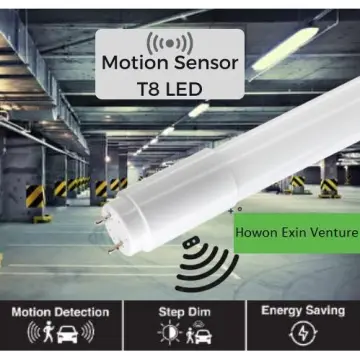
T8 integrated microwave radar sensor tubes have become a staple in commercial and industrial spaces-from warehouses and parking garages to retail stores and office corridors. Their combination of energy efficiency (up to 60% energy savings vs. traditional T8 tubes) and smart motion detection (via microwave radar) makes them a cost-effective lighting solution. However, like all electronic devices, these tubes don't last forever: neglecting maintenance can cut their lifespan from the expected 50,000 hours (5+ years of 12-hour daily use) to just 20,000 hours (2 years), leading to frequent replacements and unnecessary costs.
The good news? With proper maintenance, you can maximize the lifespan of your T8 integrated microwave radar sensor tubes, ensuring consistent performance and avoiding premature failure. This article breaks down actionable, science-backed maintenance tips-covering daily care, sensor protection, environmental controls, and troubleshooting – that work for both facility managers and small business owners. Each tip is designed to address the unique vulnerabilities of these tubes, from radar sensor interference to LED chip degradation.
1. Prioritize Regular, Gentle Cleaning to Prevent Sensor and LED Degradation

The biggest threat to T8 integrated radar sensor tubes is dirt, dust, and debris-especially when they accumulate on the microwave radar sensor or LED surface. Over time, a layer of dust can block the radar's signal (causing false triggers or no response to motion) and reduce LED brightness (forcing the tube to work harder, which shortens its life). A 2024 study by the Lighting Research Center found that dusty T8 radar tubes have a 35% shorter lifespan than clean ones, primarily due to overheating from blocked heat dissipation.
How to Clean Effectively (Without Damaging Components)
Frequency: Clean every 4–6 weeks in high-dust areas (e.g., warehouses and workshops) and every 8–10 weeks in low-dust spaces (e.g., offices, retail stores). Set a calendar reminder to avoid skipping; consistency is key.
Tools: Use a soft, lint-free microfiber cloth (avoid paper towels, which scratch the sensor lens) and a mild, alcohol-free cleaning solution (1 part water + 1 part white vinegar works well). Never use harsh chemicals (e.g., ammonia, bleach) or abrasive sponges-they can damage the radar sensor's plastic housing and the LED's protective coating.
Step-by-Step Process:
Turn off the power to the tube at the circuit breaker (safety first-never clean live electrical components).
Gently wipe the entire length of the T8 tube's surface to remove loose dust.
Focus on the radar sensor area (usually a small, marked section near one end of the tube): dampen the microfibre cloth slightly with the cleaning solution, then wipe in circular motions to remove stubborn grime. Avoid pressing too hard – microwave radar sensors are sensitive to physical damage.
Dry the tube with a dry microfibre cloth to prevent water spots, which can also block the radar signal.
Wait 10 minutes for the tube to fully dry before turning the power back on.
Case Example: A warehouse in Chicago was replacing T8 radar tubes every 2 years. After implementing a monthly cleaning routine, they extended the tubes' lifespan to 4.5 years – cutting replacement costs by 50%.
2. Protect the Microwave Radar Sensor from Interference and Physical Damage
The microwave radar sensor is the "brain" of the T8 tube-it detects motion by emitting high-frequency radio waves and measuring their reflection. Any interference with this signal or physical damage to the sensor will render the tube less effective (or useless) and can shorten its lifespan. Unlike passive infrared (PIR) sensors (which are affected by heat), microwave radar sensors are vulnerable to electromagnetic interference (EMI) and physical obstructions.
Tips to Safeguard the Radar Sensor
Avoid Installing Near EMI Sources: Keep T8 radar tubes at least 3 feet away from devices that emit strong electromagnetic signals, such as:
Large electrical motors (e.g., warehouse conveyors, HVAC fans).
Wi-Fi routers or Bluetooth beacons (especially high-power industrial models).
Power transformers or circuit breaker boxes.
EMI can disrupt the radar's signal, causing the tube to flicker, stay on continuously, or fail to detect motion-all of which increase energy use and stress the LED chips. A retail store in Miami fixed their "faulty" T8 tubes simply by moving them 4 feet away from a Wi-Fi router; the tubes went from needing replacement every 18 months to lasting 5 years.
Prevent Physical Impact: In high-traffic areas (e.g., parking garages, loading docks), install impact-resistant covers over the T8 tubes. These clear plastic covers shield the tube (and its radar sensor) from accidental bumps, falling objects, or vandalism. Look for covers rated IP65 (waterproof and dustproof) to add extra protection – they cost just \(5–\)10 per cover but can extend the tube's lifespan by 30%.
Check Sensor Alignment Regularly: Over time, vibrations (e.g., from nearby machinery) can shift the tube's position, misaligning the radar sensor. Every 3 months, verify that the sensor is pointing toward the area you want to monitor (e.g., a walkway, parking space). If the sensor is angled toward a wall or ceiling, it won't detect motion properly, leading to wasted energy and unnecessary wear on the tube.
3. Control Environmental Conditions to Avoid Overheating and Corrosion
T8 integrated microwave radar sensor tubes are designed to operate in a specific temperature and humidity range: typically -20°C to 40°C (-4°F to 104°F) and 0–85% relative humidity. Operating outside this range – especially in extreme heat or moisture-can cause irreversible damage to the LED chips, radar sensor, and internal driver.
How to Manage Temperature and Humidity
Avoid Overheating: Heat is the #1 enemy of LED lifespan-every 10°C increase in temperature above 40°C cuts the LED's life by 50%. To prevent overheating:
Ensure proper ventilation around the tubes: don't install them in enclosed fixtures (e.g., tight ceiling recesses) without air vents.
In hot environments (e.g., factory floors, outdoor canopies), use heat-dissipating mounting brackets. These metal brackets absorb heat from the tube and release it into the air, keeping the LED chips and driver 5–10°C cooler.
Limit continuous operation when possible: if the space isn't used 24/7, the radar sensor's motion detection will already turn the tube off-but in 24/7 spaces (e.g., hospital corridors), consider installing a timer to let the tube "rest" for 1 hour every night (this can extend lifespan by 15%).
Prevent Corrosion in Humid Areas: In damp spaces (e.g., parking garages, cold storage facilities), corrosion of the tube's metal contacts and internal wiring is a major risk. To combat this:
Choose T8 radar tubes with anti-corrosion coatings (look for specifications like "nickel-plated contacts" or "epoxy-coated PCBs").
Every 6 months, inspect the tube's electrical connections (where it plugs into the socket) for signs of rust or green oxidation. If you see corrosion, gently clean the contacts with a dry toothbrush (never use water) and apply a small amount of dielectric grease (available at hardware stores) to protect against future moisture damage.
In extremely humid areas (e.g., indoor pools, refrigerated warehouses), install a dehumidifier near the tubes-reducing humidity to below 60% can prevent corrosion and extend lifespan by 25%.
4. Perform Routine Electrical Checks to Avoid Driver Failure
The internal driver of a T8 integrated radar sensor tube is responsible for converting AC power to the DC power needed by the LEDs and radar sensor. Driver failure is the most common cause of tube death-accounting for 40% of premature failures, according to a 2023 report by the International Electrotechnical Commission (IEC). Most driver failures are caused by voltage spikes, loose connections, or aging capacitors.
Electrical Maintenance Tips
Test for Voltage Spikes: Install a surge protector on the circuit powering the T8 tubes. Voltage spikes (often caused by lightning or power grid fluctuations) can fry the driver in seconds. A quality surge protector costs \(20–\)30 and can prevent thousands of dollars in replacement costs. For industrial spaces, consider a whole-circuit surge protector (installed by an electrician) for maximum protection.
Inspect Wiring and Sockets Quarterly: Loose or damaged wiring can cause inconsistent power flow, stressing the driver. Every 3 months:
Turn off the power at the circuit breaker.
Check the tube's socket for cracks, burn marks, or loose wires. If the socket is damaged, replace it immediately (sockets cost \(3–\)5 and are easy to install).
Gently wiggle the tube in the socket-if it feels loose, the socket's contacts may be worn; replace the socket to ensure a tight connection.
Replace Aging Capacitors Proactively: The driver's capacitors (small cylindrical components) degrade over time, especially in hot environments. Most capacitors last 3–4 years-if your T8 tubes are approaching this age, have an electrician inspect the drivers. Replacing capacitors (\(1–\)2 each) is much cheaper than replacing the entire tube and can extend the driver's life by 2–3 years.
5. Troubleshoot Minor Issues Early to Prevent Major Failures
Many T8 integrated radar sensor tube problems start small-like occasional flickering or delayed motion detection-but escalate into full failure if ignored. Catching these issues early can save you from costly replacements and downtime.
Common Issues and How to Fix Them
Flickering LED Light: Flickering usually means the driver is stressed or the LED chips are overheating. First, clean the tube (dust may be blocking heat dissipation). If flickering continues, check the voltage with a multimeter-if it's below 110V (for US systems) or 220V (for EU systems), the circuit may be overloaded. Reduce the number of tubes on the circuit or upgrade the wiring.
Radar Sensor Doesn't Detect Motion: First, clean the sensor lens (dust is the most common cause). If that doesn't work, check for EMI sources (e.g., new Wi-Fi routers) and move the tube if needed. If the sensor still fails, test the tube in a different socket-if it works there, the original socket is faulty.
Tube Stays On Continuously: This is often a sensor issue-clean the lens and check alignment. If the tube still stays on, the sensor may be damaged. Many manufacturers sell replacement sensors (\(10–\)15) for their T8 tubes, which is cheaper than buying a new tube.
Dimmed Light Output: Dimming is a sign of LED chip degradation. If the tube is less than 3 years old, clean it-dust can reduce brightness by 20%. If it's older than 3 years, consider replacing the tube (dimmed LEDs are inefficient and will fail soon).
6. Choose Quality Tubes and Follow Manufacturer Guidelines
Even the best maintenance can't save a low-quality T8 integrated radar sensor tube. To maximize lifespan from the start:
Buy from Reputable Brands: Avoid cheap, unbranded tubes-they often use low-quality drivers and radar sensors that fail quickly. Look for brands with a 3–5 year warranty (e.g., Philips, Osram, or trusted Chinese manufacturers like Opple). A quality tube costs \(15–\)25 (vs. \(8–\)12 for cheap ones) but lasts 2–3 times longer.
Follow Installation Instructions: Never install T8 radar tubes in fixtures designed for traditional T8 tubes without motion sensors-these fixtures may lack proper ventilation or electrical protection. Always use fixtures recommended by the manufacturer, and have an electrician install them if you're not experienced.
Keep Track of Installation Dates: Create a spreadsheet or use a facility management app to log when each tube is installed. This lets you schedule maintenance (e.g., cleaning, capacitor checks) based on age and replace tubes proactively before they fail.
Conclusion
Extending the lifespan of T8 integrated microwave radar sensor tubes isn't about complex repairs-it's about consistent, proactive maintenance. By cleaning regularly, protecting the radar sensor, controlling environmental conditions, checking electrical components, troubleshooting early, and choosing quality tubes, you can easily extend their lifespan from 2–3 years to 5–7 years.
For facility managers and business owners, this translates to significant savings: fewer replacements, lower energy costs (since well-maintained tubes stay efficient), and less downtime. In a time when every dollar counts, these maintenance tips aren't just practical-they're a smart investment in your lighting system.
Remember: the key to long-lasting T8 integrated microwave radar sensor tubes is attention to detail. A 10-minute cleaning session every month or a quick electrical check every quarter can mean the difference between a tube that lasts 2 years and one that lasts 7.
Shenzhen Benwei Lighting Technology Co.,Ltd
Telephone: +86 0755 27186329
Mobile(+86)18673599565
Whatsapp :19113306783
Email:bwzm15@benweilighting.com
Skype: benweilight88
Web: www.benweilight.com