Why LED Panels Turn Yellow: Causes and Prevention
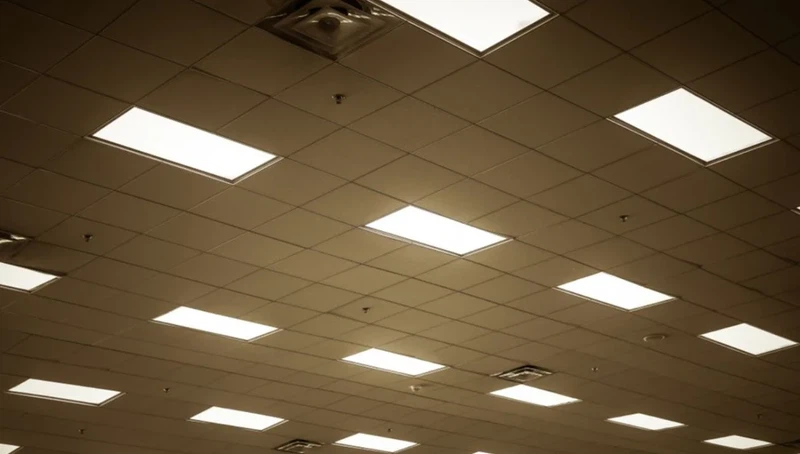
LED panel lighting is celebrated for its energy efficiency, long life, and crisp, clean light. However, a common issue that can undermine these benefits is the gradual yellowing of the panel's surface or the light it emits. This discoloration not only looks unattractive but can also impair the quality of light. Understanding why this happens is the first step in preventing it and ensuring your lighting performs optimally for years.
This article explores the science behind LED panel yellowing, identifying the primary causes and offering practical solutions to mitigate this frustrating problem.
The Science of White Light in LEDs
To understand yellowing, it's helpful to know how LEDs produce white light. Unlike traditional incandescent bulbs, most white LEDs don't naturally emit white light. Instead, they use a two-step process:
A blue LED chip produces high-energy blue light.
This blue light strikes a layer of phosphor, a yellowish phosphorescent material that coats the chip. The phosphor absorbs a portion of the blue light and re-emits it as yellow light.
The human eye perceives the mixture of the remaining blue light and the newly created yellow light as white.
This process is fundamental to the design, and any disruption to it is at the heart of the yellowing phenomenon.
Primary Causes of LED Panel Yellowing
Yellowing typically stems from the degradation of key materials within the LED panel, accelerated by environmental factors. The main culprits are heat, UV exposure, and low-quality materials.
1. Heat: The Silent Killer
Heat is the most significant enemy of LED longevity and color stability.
How it causes yellowing: While LEDs are efficient, they are not 100% so; a portion of the electrical energy is still converted into heat. This heat is generated at the LED chip itself. Excessive or poorly managed heat:
Degrades the Phosphor Layer: The phosphor coating is sensitive to high temperatures. Prolonged heat exposure causes it to break down chemically. As it degrades, its light conversion properties change, often leading to a visible color shift towards yellow or brown. In severe cases, the phosphor can literally "burn," creating permanent dark or yellow spots.
Damages Other Components: The plastic light guide plate (LGP) and diffuser sheets inside the panel are also vulnerable to heat. These components, often made from polymers like PMMA (acrylic) or PC (polycarbonate), can oxidize and yellow when consistently overheated.
Sources of Heat:
Internal Drivers: The electronic driver that powers the LEDs generates its own heat.
Poor Heat Sinking: If the panel lacks an adequate aluminum heat sink or it is poorly designed, heat becomes trapped.
Installation Environment: Installing an LED panel in a sealed ceiling with no airflow, or near other heat sources, creates an oven-like effect, drastically shortening its lifespan and accelerating yellowing.
2. UV Radiation and Environmental Exposure
Ultraviolet (UV) light, whether from the sun or from certain artificial light sources, carries high energy that can break down chemical bonds.
How it causes yellowing: The polymers used in the diffuser and LGP are susceptible to photo-degradation. UV radiation initiates a chemical reaction in these plastics, causing them to oxidize and turn yellow. This is the same process that makes old plastic computer monitors and toys yellow and brittle over time. Even the phosphor layer can be affected by intense UV exposure, altering its color conversion efficiency.
3. Material Quality and Manufacturing Defects
The quality of the raw materials used is a decisive factor.
Low-Quality Plastics: Inferior grades of PMMA or PC have less stability and contain impurities that make them more prone to yellowing from both heat and UV exposure. Manufacturers may use these cheaper materials to cut costs.
Unstable Phosphors: The formulation and quality of the phosphor coating itself vary. Lower-quality phosphors degrade faster, leading to a more rapid color shift.
Inadequate Protection: Some panels may lack UV-inhibiting additives in their plastic components or use substandard thermal interface materials, leaving the system vulnerable from the start.
The Consequences of Yellowing
The impact of a yellowed LED panel goes beyond mere aesthetics:
Poor Color Rendering: The yellow tint distorts the true colors of objects and spaces it illuminates. This is critically problematic in settings like art galleries, retail stores, kitchens, and offices where accurate color perception is essential.
Reduced Light Output and Efficacy: As the phosphor degrades and the plastics discolor, they block and absorb more light instead of transmitting it efficiently. This results in a dimmer panel, forcing you to use more energy to achieve the same illumination level, thereby negating the core benefits of LED technology.
Visual Discomfort: The uneven, yellowish light can be harsh and unpleasant to the eye, leading to discomfort and strain, especially in work environments.
How to Prevent and Mitigate Yellowing
Prevention is always better than a cure, and since a yellowed panel is often impossible to restore, proactive measures are crucial.
1. Prioritize Heat Management
Choose Quality Products: Select LED panels from reputable brands known for robust engineering. Look for products with substantial, well-designed aluminum heat sinks.
Ensure Proper Installation: Never install an LED panel in a completely airtight ceiling plenum. Ensure there is some space for convective airflow around the panel to carry heat away. Follow the manufacturer's installation guidelines precisely.
2. Select Panels with UV-Stable Materials
For areas with direct or strong indirect sunlight, look for panels that specify "UV-resistant" diffusers or are rated for outdoor/indoor use with UV protection.
High-quality manufacturers often use additives in their plastics to act as UV blockers, significantly slowing the yellowing process.
3. Invest in Quality from the Start
While cheaper panels may be tempting, they often represent a false economy. The cost savings typically come from inferior materials that will lead to premature yellowing and failure. Investing in higher-quality panels from trusted manufacturers ensures better materials and more rigorous manufacturing standards, directly combating the root causes of yellowing.
4. Implement a Regular Maintenance Routine
Dust Regularly: A layer of dust on the panel acts as an insulating blanket, trapping heat and causing the internal temperature to rise. Regular, gentle dusting with a soft, dry cloth helps maintain proper heat dissipation.
Clean Carefully: If a deeper clean is needed, use a soft cloth slightly dampened with water or a mild soap solution. Avoid harsh chemicals, abrasives, or alcohol-based cleaners, as they can damage anti-glare coatings and potentially accelerate material degradation.
Frequently Asked Questions (FAQs)
Q: Can a yellowed LED panel be fixed or cleaned to restore its original color?
A: Unfortunately, no. Yellowing is a sign of internal, chemical degradation of the materials (phosphor, plastics). It is not a surface stain that can be wiped off. Once the materials have degraded, the process is irreversible.
Q: How long does it typically take for an LED panel to start yellowing?
A: There is no single timeline, as it depends entirely on quality, operating conditions, and environment. A high-quality panel in a cool, well-ventilated, indoor space may show no signs of yellowing for over a decade. A low-quality panel in a hot, sunny location could begin to yellow in just a few years.
Q: Is the yellowing harmful to my health?
A: The yellowing itself is not a direct health hazard. It does not mean the LED is emitting harmful substances. However, the poor-quality light it produces can contribute to eye strain and visual discomfort, and the distorted color rendering can be problematic for tasks requiring color accuracy.
Q: Are some brands or types of LED panels more resistant to yellowing?
A: Absolutely. Reputable manufacturers who disclose the use of high-quality, heat-stable phosphors and UV-resistant polymers (like high-purity PMMA) produce panels that are far more resistant to yellowing. Looking for panels with longer warranty periods can also be a good indicator of the manufacturer's confidence in their product's longevity and color stability.
Q: Does the driver or power supply affect yellowing?
A: Indirectly, yes. A poor-quality driver can cause the LEDs to be over-driven, generating excess heat and accelerating degradation. A high-quality, constant-current driver ensures the LEDs operate within their safe thermal limits.
Conclusion
The yellowing of LED panels is not a mysterious flaw but a predictable result of material degradation, primarily driven by heat and UV exposure. By understanding these root causes, users can make informed decisions. The key to avoiding this issue lies in investing in well-engineered products from the start, ensuring they are installed correctly for optimal cooling, and performing simple, regular maintenance. By taking these proactive steps, you can fully enjoy the long-lasting, efficient, and high-quality illumination that LED panel technology is designed to provide.