The Benefits of Lighting Your Chicken Coop
1. Egg production drastically decreases in the winter due to the shorter days and the fact that hens typically molt in the late fall. By activating the hen's pituitary gland, which instructs her ovaries to release her egg, additional light will make up for the absence of sunshine. In many parts of the country during the winter, the sun only provides about eight hours of light each day, which is insufficient for hens to produce eggs, which require around 14 hours of light per day. The majority of hens are descended from equatorial climates, therefore their systems aren't designed to produce eggs in the winter light. A lamp set on a timer in the early morning and late at night will assist keep your ladies in the routine and keep your egg basket filled.
2. Using a coop light to keep your chickens a little bit warmer during the winter is sometimes possible, especially in harsh climates. When young chicks first leave the hatchery, heat lamps are used to keep them warm. Hens can also use heat lamps in the winter. Given their extreme hardiness and fluffy feathers, chickens don't need such additional heat unless it is extremely cold outside. Some poultry experts say that for hens, a temperature of about 40 degrees is best.
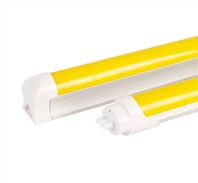
3. Red lights are the most effective type of lighting for a chicken coop, according to several poultry specialists. The goal is to keep your girls tranquil by using a red bulb's soft glow. Remember that adding a red light bulb to your hen house won't enhance egg production because hens don't see red light as daylight. Red light does not affect hens negatively since they do not see it as daylight. There are many theories that claim red illumination makes it difficult for chickens to distinguish between combs and wattles, which deters hen-pecking and cannibalism. Despite the lack of evidence, there may be advantages over disadvantages, especially as red lights won't have the same harmful impact on chickens as white lights do.
4. You can see your duties while you're taking care of the hens, which is another good reason to keep your coop illuminated on a timer or with an accessible switch. You'll need some extra light to make sure you've located all the eggs, provided enough feed and water, and seen for an exact head count if you have a day job or simply need to get the morning chicken chores done. Because you only need to wear it when you're conducting your daily activities, the impacts on the hens are minor.