That's a very common and well-understood phenomenon with UV LED lamps. The clear polycarbonate (PC) or acrylic cover turning white or cloudy is caused by UV-induced photodegradation (specifically, photo-oxidation).
Here's the detailed breakdown:
1. Primary Cause: Photodegradation of Polymers
Polycarbonate and many other plastics are not inherently UV-stable. While they may look clear initially, the high-energy photons from UV light (especially UVA at 365–405 nm) break the chemical bonds in the polymer chains.
Bond Scission: UV radiation has enough energy to break C-C, C-H, and C-O bonds in the plastic.
Formation of Free Radicals: This creates reactive sites on the polymer chains.
Oxidation: These radicals react with atmospheric oxygen (photo-oxidation), forming new chemical groups like carbonyls, peroxides, and hydroxyls that scatter light.

2. Why Does It Turn White/Yellow?
The chemical changes create:
Micro-cracks & crazing on the surface (due to embrittlement).
Changes in refractive index in localized degraded regions.
Formation of light-scattering centers (tiny voids, oxidized particles).
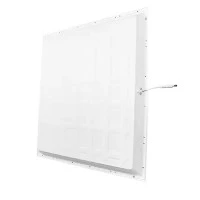
This scattering of light makes the cover appear opaque, hazy, or white - even though the bulk material might still be somewhat transparent if you look through the edges. the UV cover become white cover after use 2weeks , because it use PC cover , like below picture

3. Contributing Factors
Wavelength: Shorter wavelengths (UVC, UVB) cause faster damage than UVA, but even 395–405 nm UV LEDs cause slow degradation.
Heat: UV LEDs generate heat, and thermal cycling accelerates polymer aging.
No UV Stabilizers: Cheap or generic PC covers often lack sufficient UV stabilizers, absorbers, or coatings that would protect against this.
Moisture & Environmental Exposure: Humidity and pollutants can accelerate the process.
4. How to Prevent or Slow It
Manufacturers can:
Use UV-stabilized polycarbonate (contains additives that absorb UV and dissipate the energy as heat without degrading).
Apply protective coatings (e.g., silicone hardcoat, UV-resistant acrylic top layer).
Use alternate materials like UV-grade quartz glass, borosilicate glass, or sapphire covers for high-power UV systems (more expensive but immune to UV yellowing).
Ensure adequate heat sinking to reduce thermal stress on the cover.
we can use UV-Grade quartz glass , like Below Update UV LED Lamp

5. What You Can Do Now
If the cover is already whitened:
Replace it with a UV-resistant cover.
Lightly polishing with plastic polish might remove surface haze if degradation is shallow, but usually, the damage is through the bulk near the surface, so replacement is the only real fix.
In short: The clear plastic cover wasn't designed to withstand prolonged UV exposure. It's a chemical breakdown due to UV photons attacking the polymer - essentially "sunburn" for plastic. you can see more UV information on http://www.benweilight.com