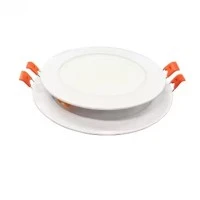
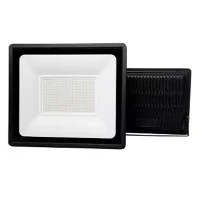
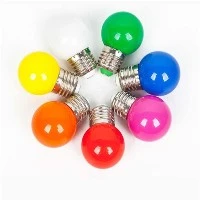
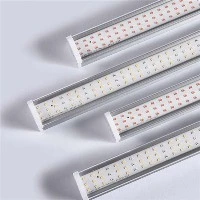
Your LED downlights, halogen lights, or perhaps your bulbs only flicker when they are dimmed are just a few of the numerous causes of flickering lights. We discuss the ten most common causes of flickering lights and offer some solutions to help them return to normal.
Even though LED lights are amazing, problems can still arise. Many people, including those with recently installed LED bulbs, complain that their lights continue to flicker.
Does that sound familiar? If so, you might be curious as to why your LED lights are flickering. Keep reading as we've compiled a list of some of the best justifications!
Downlight & Dimmer Compatibility
When dimmed, do LED lights flicker? See below.
The most frequent cause of flickering is incompatibilities between downlights and dimmers. The downlights and dimmer need to communicate in unison. Flickering is likely to occur when LED downlights are dimmed using outdated dimmers made for halogen lights. This is not to suggest that they won't function; you just need to give it a try.
When using LED dimmers for LED downlights, it is best to use the same brand that has been tested; if there are any problems, you may ask the provider to resolve them. Digital's MEDM is the best LED dimmer available; it's so good that it can dim certain non-dimmable items. Invest in high-quality dimmers; purchasing low-quality dimmers will ultimately cost you more money.
The Ripple Effect
A type of energy load control called "ripple control" has the ripple effect as a byproduct. In Australia, ripple control is widely used, particularly in NSW and QLD. It enables power providers to control the peak demand for electricity.
Electricity networks will not be able to meet everyone's demands if ripple control is not implemented. Furthermore, power plant infrastructure may sustain harm if loads are not controlled. They may take a long time to go back online if this occurs.
Reducing the energy supply to certain regions of AU is a crucial component of ripple control. Whenever the demand is at its highest, this decline often happens at the same time every day. There are locations where it may be anywhere from 7 to 10 a.m. and 5 to 10 p.m.
One of the first things ripple control can do is make LED lights flicker since it lowers the energy supply. Once more, this is because the lamps use very little energy.
However, the ripple effect may be more noticeable if you have a lot of household appliances. These gadgets will continue to use the same amount of energy even if the electricity source is cut off. Thus, you would have very little, if any, energy remaining to run your LED lights.
Loose Connections
Flickering LED lights can occasionally be caused by loosely fitted bulbs. In this instance, there is insufficient appropriate contact between the socket and the lightbulb. As a result, intermittent flickering may result with even the smallest movement of the bulb.
Please be aware that over time, even "recessed lights" or LED downlights may become loose.
Having stated that, the first step in fixing flickering downlights is to tighten the screws holding the bulbs in place. Handle the bulbs carefully since they might still break if you use too much effort. Even though LED bulbs don't emit a lot of infrared radiation, it's still a good idea to wear gloves just to be cautious.
Dusty or Dirty Sockets
Dust can build up on your LED bulbs' surfaces over time and seep into the socket. Dirt may be the cause of your flickering light bulbs if you haven't cleaned your lighting fixtures in a while. This is a great opportunity to clean and remove any dirt that has accumulated in and around the sockets.
To thoroughly clean the sockets, it is preferable to unscrew the bulbs first. Additionally, before cleaning the light sockets, be sure to switch off the electricity!
Loose Electrical Wiring
Fun fact: The home remodeling industry in Australia is worth $32 billion. Why? due to the fact that a large number of houses in Australia date back to the early 1980s.
Nevertheless, a variety of electrical issues have arisen in many of these older properties. These may be the cause of your LED lights flickering if you reside in one of these homes.
Call an electrician if the flicker persists after fastening the bulbs and cleaning the sockets. It's possible that you're dealing with electrical wiring issues that might cause a fire.
Incompatible Dimmers
LED compatibility is a critical issue when purchasing light dimmers. This is due to the fact that many LED globes that are connected to conventional dimmers may either malfunction or fail completely. Your dimmable lightbulb will soon begin to flicker, even if they do light up.
Traditional light dimmers are made especially for incandescent bulbs with high power loads. They function by varying the current flowing into the bulbs in an even manner. In order to reduce the quantity of energy that enters the circuit, they also undergo a quick on/off cycle.
The "persistence" of older light bulbs is what causes the fading effect. These lights gradually "shut" down when they are turned off. However, the lights never completely go out since the dimmer switches on and off swiftly.
Rather, they remain in the middle, which results in the muted impression.
However, this permanence is not the case with LED bulbs. Almost immediately as they stop receiving current, they cease to generate light. As a result, LED lights may flicker when lowered by dimmers made for older bulb types.
Installing Non-Dimmable LED Bulbs in LED Dimmers
Even if you put dimmable LED lights in a standard socket without a dimming option, they will still function. Nevertheless, this negates the benefit of purchasing dimmable lights.
Conversely, non-dimmable LED lights in dimmers are prone to hum and flicker. If you set the dimmer to 100%, they could still dim like the real dimmable ones.
Additionally, the service life of dimmers may be impacted by the usage of non-dimmable LED lights. Their longevity will decrease as they flash more frequently.
Inrush Current From Other Appliances
When you turn on high-voltage or high-wattage equipment, do your LED lights flicker? These include air conditioners, heaters, dryers, and electric stoves.
In these situations, inrush current is the cause of these "ghostly" LED light encounters. This is the amount of energy that appliances use when they are first turned on. They can lower the voltage since they consume a lot of electricity.
Your LED lights may fade or flicker if they are connected to the same circuit as the appliances. Remember that compared to outdated halogen lights, LED lights are already up to 75% more energy efficient. They may be turned on and off by further lowering the current flowing to them because they consume a lot less energy.
For this reason, high-power appliances ought to have their own circuits. In this manner, they won't stop the power from reaching other gadgets, such as your LED lights.
Overloaded Circuits
As long as your meter box can hold all of your appliances, it's okay to have a lot of them. After all, this is the section that distributes energy throughout your house. Flickering LED lights would be the first indication that your current one isn't meeting your increasing energy needs.
Inrush current occurs when an appliance is turned on for the first time, as was previously explained. However, a circuit overload may already happen if you continue to add items to your house. They are requesting more current than your electrical system can manage.
An electrician can assist you in determining whether your meter box can still serve your needs, just like with defective wiring. You would probably need to switch to one with a better rating if not. This not only fixes your flickering LED lights but also keeps electrical risks at bay.
Other Things You Can Do If Your LED Lights Keep Flickering
You can lessen the frequency of LED lights flashing by using less electricity. This is particularly true for circumstances like ripple control that are beyond your control. Although there is little you can do about it, switching to solar power can help lessen its impact.
Solar lights make use of the sun's energy, which is essentially endless and free. Your house may be illuminated with these lighting options without using the power grid. Therefore, your solar lights stay illuminated even if the ripple effect makes its way to your house.
In the event of a power outage, certain solar lamps may also be used as portable flashlights. Additionally, compared to power generated from fossil fuels, solar energy is greener and cleaner.
Another option is to have a ripple signal filter installed on your meter box by an electrician. The ripple effect that causes your LED lights to flicker may be eliminated with the aid of this gadget.
Make Your LED Lights Last Longer by Fixing Flickering Issues
At least 25,000 hours is already an amazing lifespan for LED lights. That is five to ten times longer than halogen lamps and 25 to 50 times longer than incandescent bulbs. However, their life may be cut short if they are exposed to circumstances that cause them to flicker.
Therefore, if your LED lights continue to flicker, it's better to identify the problem and address it right away. Your LED bulbs can live longer if you take action sooner.
Are you curious in how LEDs might improve the environmental sustainability of your house? Then don't hesitate to contact us by phone or email! We will be pleased to respond to any inquiries you may have about LEDs.