For both you and your flock, installing lights in the chicken coop may have a number of advantages. From adding more lighting to increase egg production to adding more heat (depending on the type of bulb used). But is there such a thing as too much good? When the sun starts to set, should the lights be turned off? Or is it possible to keep the lights on all night long? To learn precisely what a keeper should do, I did some study.
So, can you put a light on while a chicken sleeps? With the light on, chickens won't be able to go asleep since they'll think it's daylight, which will keep them up. Instead, for them to obtain the rest they need for a happy, healthy life, hens need complete darkness in their coop at night. Thus, as the sun sets, lighting should be switched off.
Actually, chickens are very light sensitive. And the main factor affecting their sleep and waking periods is illumination exposure. After all, they are diurnal creatures, which are up during the day and asleep at night.
As a result, illumination is something that must be strictly managed by a keeper, with 14 to 16 hours per day being thought to be the ideal number.
Of course, the time of year may have a significant impact on sunshine exposure; here is where additional heating might be useful. But a timer that activates and deactivates it at certain intervals is seen as essential.
But why?
Well, it has been shown scientifically that chickens produce less eggs when there are fewer than 12 hours of sunshine each day. Having access to constant illumination also discourages these birds from depositing eggs.
Thus, a pattern is beginning to emerge. There is a desirable level of brightness to strive for.
While you could be lucky to still receive some eggs with under or overexposure, you should be aware that if your chickens spent the night in the dark, you would get a lot more eggs.
Let's now examine the effects lighting may have on your flock, the factors to take into account, and what is thought to be best for your birds.
Will Chickens Sleep With Light On?
In general, hens won't go to sleep in their coop with the light on. No matter if it is coming from the sun or an other light source, light to chickens is the day.
In fact, it is a well-known fact that chickens will awaken in the early morning, just as the sun is beginning to rise.
After waking up, they are eager to start the day by laying eggs and getting the sustenance they need. Whether they do this by supplementing their diet or by grazing and foraging on the land.
They intuitively know they need to go back home in the evening and when it gets dark. Before it becomes too dark to see and predators start to emerge, to the coop.
The time of day when hens sleep is at night.
To keep them secure, they are elevated far above the ground, standing straight up on a perch (an instinctual behavior learned over thousands of years to keep them safe).
In general, chickens don't need a night light at night. Given the season, these birds may sleep for up to 12 hours a night. Additionally, it must be dark for them.
They will be woken up by light. Your more noisy and alert chickens will ensure that everyone stays up even if some of your hens do go asleep.
There is one restriction in this, however.
It does partially rely on the kind of light.
White light is far more disruptive and may emanate from either an incandescent or fluorescent bulb.
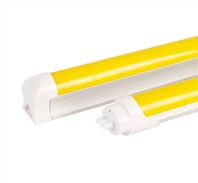
Contrarily, red light won't be mistaken for daylight, making it considerably safer to remain within the coop at night. Additionally, it does provide some warmth.
Depending on the age of your flock, you may wish to put a red light since it is crucial for hatchlings and young chicks. However, this will be a topic for future study.
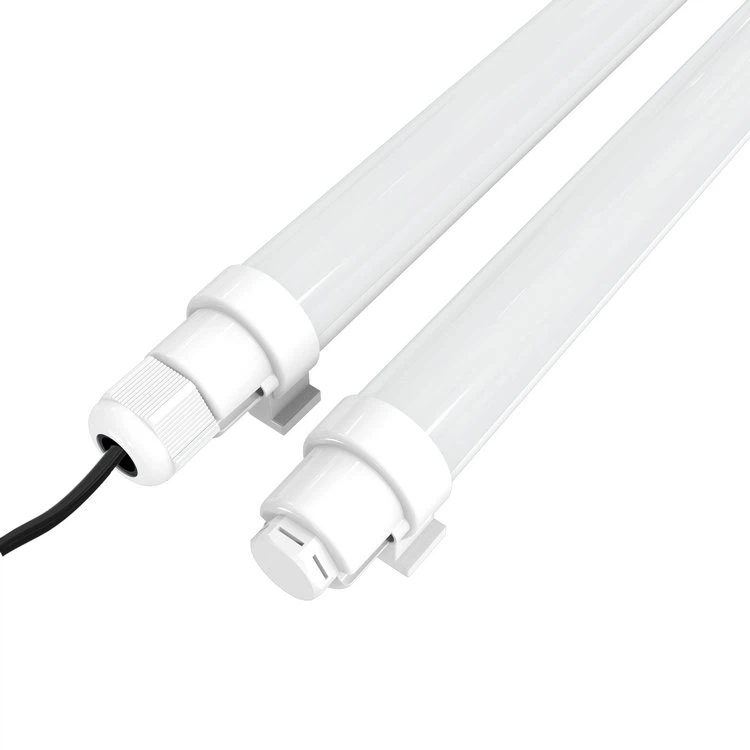
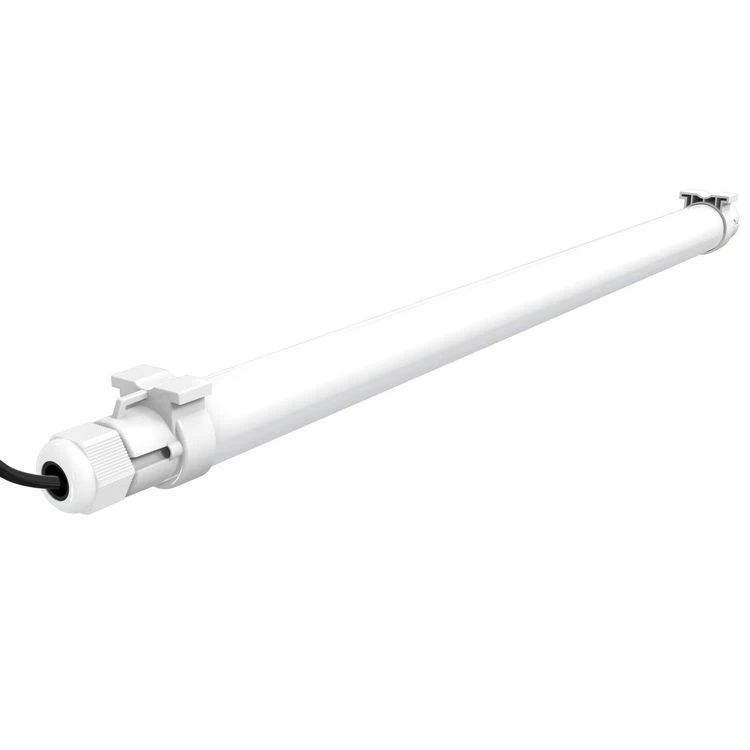
Benwei chicken coop lighting for egg production
|
Power |
Dimension(MM) |
LED Quantity(PCS) |
|
9W |
600*26mm |
Epistar 2835/48PCS |
|
13W |
900*26mm |
Epistar 2835/72PCS |
|
18W |
1200*26mm |
Epistar 2835/96PCS |
|
24W |
1500*26mm |
Epistar 2835/120PCS |
|
36W |
2400*26mm |
Epistar 2835/384PCS |