Yes, LED lights can absolutely grow plants-and they're often the most efficient choice for indoor gardening, hydroponics, or supplemental lighting. However, not all LEDs are equal for plant growth. Here's what you need to know:
1) How LEDs Support Plant Growth
Plants need light for photosynthesis, primarily in the blue (400–500nm) and red/far-red (600–700nm) wavelengths. LEDs excel here because:
Spectrum Control: Dedicated "grow lights" emit tailored blue/red peaks.
Low Heat: Less risk of burning leaves vs. HID or fluorescent lights.
Energy Efficiency: 40–60% less power than HPS/MH lights .
2) Key Requirements for Effective LED Grow Lights
PAR/PPFD Matters, Not Lumens
PAR (Photosynthetically Active Radiation): The type of light plants use (400–700nm).
PPFD (Photosynthetic Photon Flux Density): Measures usable light intensity (in μmol/m²/s).
Example: Seedlings need 100–300 PPFD; flowering plants need 500–900 PPFD .
Spectrum Tuning
Vegetative Growth: Higher blue light (promotes leafy growth).
Flowering/Fruiting: Higher red light (triggers blooms).
Full-Spectrum White LEDs: Work well for most plants and are visually natural.
Proper Intensity & Coverage
Hang lights at correct heights (e.g., 12–24" for seedlings, 6–18" for mature plants).
Use reflectors to maximize coverage.
Duration (Photoperiod)
14–18 hours/day for leafy greens/herbs.
12 hours/day for flowering plants (e.g., tomatoes, cannabis).
Plants You Can Grow Under LEDs
| Plant Type | Recommended LED Setup | Notes |
|---|---|---|
| Herbs (Basil, Mint) | Low-PPFD (200–400) full-spectrum | Easy for beginners; grows fast |
| Leafy Greens (Lettuce, Kale) | Medium-PPFD (400–600) | Thrives under blue-heavy spectra |
| Flowering Plants (Tomatoes, Peppers) | High-PPFD (600–900) red-enhanced | Requires intense light & warmth |
| Succulents/Orchids | Low-to-medium PPFD | Prefer indirect light |
3) Choosing the Right LED Grow Light
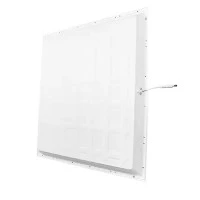
Budget Option: Full-spectrum white LED panels (e.g., SANSI, GE).
Mid-Tier: Adjustable-spectrum quantum boards (e.g., Spider Farmer, ViparSpectra).
Professional: COB LEDs or bar-style fixtures (e.g., Fluence, HLG) for uniform coverage.
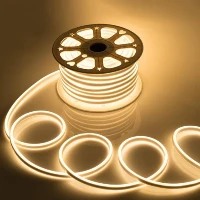
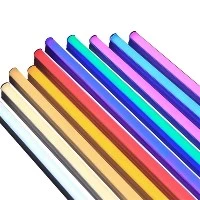
Avoid: Non-grow LEDs (e.g., household bulbs, decorative strips)-too weak/improper spectrum.
Look For:
PPFD/PAR data in product specs.
Dimmability to adjust intensity.
Certifications (UL/ETL for safety, DLC for efficiency).
Common Mistakes to Avoid
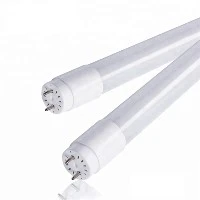
Using Standard LEDs: Household bulbs lack intensity/spectrum for fruiting plants.
Insufficient Light: Weak LEDs cause leggy, pale growth.
Overheating Plants: Even low-heat LEDs need airflow-use fans.
Ignoring Distance: Too close = light burn; too far = stretched plants.
Cost & Efficiency Comparison
| Light Type | Avg. Cost (for 3'x3' coverage) | Power Draw | Lifespan |
|---|---|---|---|
| LED Grow Light | $100–$500 | 200–600W | 50,000+ hours |
| HPS (1000W) | $150–$300 | 1000W+ | 10,000–24,000 hrs |
| Fluorescent (T5) | $50–$200 | 200–400W | 20,000 hrs |
LEDs save 40–60% on energy vs. HPS and last 2–5x longer .
4) Science-Backed Tip
A 2023 University of Guelph study showed custom spectra boost yields:
Adding 10% green light enhanced lettuce growth by 24%.
Far-red LEDs at end-of-day accelerated flowering in strawberries .
5) Final Verdict
Yes-LEDs grow plants exceptionally well when you:
Choose full-spectrum or horticulture-specific LEDs (not decorative lights).
Match PPFD and spectrum to your plants' needs.
Position lights correctly and time photoperiods.
Start with herbs or greens to test your setup, then scale up