Why Is Acrylic Essential for Modern LED Lighting?
In the evolution of LED technology, much attention is rightly paid to the chips, drivers, and heat sinks that form the core of the illumination system. However, the material that ultimately shapes and delivers the light to our eyes plays an equally critical role. Among these materials, acrylic (PMMA - Polymethyl methacrylate) stands out not merely as a protective cover, but as a transformative optical component that is fundamental to the performance, safety, and design of modern LED lighting.
1. The Optical Maestro: Superior Light Transmission and Quality
The primary value of acrylic lies in its exceptional optical properties, which are perfectly suited to the characteristics of LED light sources.
Unmatched Clarity: High-quality optical-grade acrylic boasts a light transmission rate of up to 92%, exceeding that of standard glass. This means the luminous output of an LED is preserved with minimal loss, ensuring the fixture operates at peak efficiency (high lm/W) and delivers on its promise of energy savings.
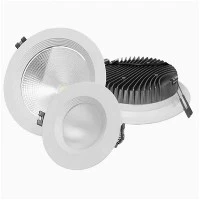
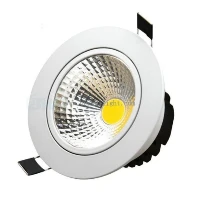
Perfect Light Diffusion: While crystal clear in its pure form, acrylic can be masterfully engineered into a high-performance diffuser. Through processes like surface etching (frosting), micro-prismatic patterning, or the incorporation of diffusion particles within the material itself, acrylic can seamlessly transform the harsh, pinpoint glare of individual LEDs or the bright hotspot of a COB into a uniform, soft, and visually comfortable glow. This ability to eliminate discomfort and glare is arguably its most significant contribution to making LED lighting suitable for human-centric environments.

2. The Designer's Canvas: Unparalleled Formability
LEDs liberated lighting from traditional forms, and acrylic is the perfect medium to realize this new design freedom.
Infinite Shapes: Acrylic is highly thermoplastic, meaning it can be easily heat-bent, vacuum-formed, precision-cut, and laser-engraved. This allows designers to create incredibly thin profiles, complex curves, and intricate shapes that would be difficult or impossible to achieve with glass or other plastics. This has directly led to the sleek, minimalist, and artistic luminaires that define contemporary interiors.
Guided Light Technology: This is where acrylic's magic is most evident. It is the core material for light guides in edge-lit panels. LEDs placed along the edge of an acrylic sheet inject light, which then travels through the panel via total internal reflection. Precisely etched extraction patterns on the surface gently "leak" the light outward, creating a perfectly uniform luminous surface. This technology is the foundation of ultra-slim flat panels, backlit signs, and shadow-free lighting, achieving the coveted "light without a source" aesthetic.

3. The Practical Guardian: Lightweight and Unbreakable Safety
Beyond optics and form, acrylic provides crucial practical benefits that accelerate the adoption of LED lighting.
Featherlight: With a density roughly half that of glass, acrylic drastically reduces the overall weight of a light fixture. This simplifies installation, lowers shipping costs, and reduces the structural support needed.
Inherently Safe: Unlike glass, acrylic is highly impact-resistant (up to 10 times more than glass). It does not shatter into dangerous, sharp shards upon impact. Instead, it may crack into large, dull pieces or simply fracture, making it the unequivocally safer choice for lighting in schools, children's rooms, sports facilities, and high-traffic public areas.

4. The Durable Workhorse: Weather Resistance and Cost-Effectiveness
Acrylic offers a compelling balance between performance, longevity, and cost.
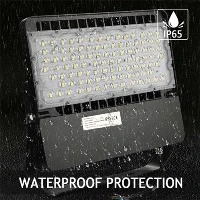
Excellent Weatherability: High-quality acrylic possesses strong resistance to environmental degradation. It is inherently more UV stable than many other plastics (like PS), meaning it resists yellowing and embrittlement over time. This makes it suitable for both indoor and outdoor applications, ensuring the fixture maintains its light output and appearance for years.
High Cost-Benefit Ratio: While initially more expensive than standard plastics, acrylic's superior optical performance, durability, and processing advantages offer a strong value proposition. It enables high-end lighting effects and designs without the prohibitive cost of other high-performance materials.
Conclusion: More Than Just a Cover
To view acrylic as a mere cover is to miss its profound significance. It is an active optical element that shapes, diffuses, and enhances light. It is the enabler of revolutionary designs that have redefined what a light fixture can look like. It is the guardian of safety and practicality.
In essence, acrylic is the indispensable partner to the LED chip. It successfully bridges the gap between raw technological output and a refined, human-friendly luminous experience. Without acrylic, the modern LED lighting landscape-characterized by elegance, efficiency, and comfort-would be immeasurably dimmer. It truly is the unsung hero of the LED revolution.