Knowing how to measure and choose the appropriate fixtures is essential for creating a barn lighting system that works. In addition to improving the space's usability, proper lighting also adds to its overall aesthetic appeal. The many facets of barn lighting fixtures will be covered in this article, with an emphasis on how to measure and adjust lighting systems to suit diverse requirements.
Recognizing the Needs for Barn Lighting
Understanding the particular needs of barn areas is crucial before getting into the details of lighting fixture measurements. Barns can be used for a variety of things, such as workshops, equipment storage, and animal housing. Different lighting solutions can be needed for each of these applications.
For instance, a workplace may need brighter, more focused lighting to ensure safety and accuracy during duties, while a barn that mostly contains animals may need softer, more diffused lighting to provide a tranquil environment. The choice of suitable fixtures and lighting kinds will be guided by an understanding of the barn's main purpose. It's also critical to take into account the barn's design and any potential natural lighting sources. The overall lighting requirements can be greatly impacted by windows and skylights, and fixtures can be positioned to optimize the use of both artificial and natural light.
Moreover, lighting needs may vary depending on the season. Barns may need more durable lighting options to make up for the absence of natural light during the winter months when daylight hours are less. To create a healthy and productive environment, lighting may also need to be adjusted in response to seasonal variations in cattle behavior, such as increased activity during breeding seasons.
Lighting Fixture Types
Barn settings may accommodate a variety of lighting fixture styles, each with certain advantages of its own. Typical choices consist of:
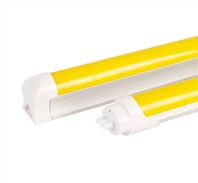
LED Lights: A common option for barns, LED lights are renowned for their long lifespan and energy economy. They can be utilized in different configurations and offer brilliant illumination.
Fluorescent lights: Frequently utilized in bigger barn spaces, these lighting are also energy-efficient. They offer a wide range of light, which is advantageous for workspaces and animals alike.
Incandescent Lights: Although less popular because of their high energy costs, incandescent lights can add coziness and are occasionally employed as ornamental accents.
Apart from these common choices, there are also specialty lighting alternatives made for particular barn uses. For example, motion-sensor lights can be a great option for places that aren't used much because they only turn on when necessary, saving energy. Task lighting, such portable work lights or adjustable spotlights, can also improve visibility in places like feed storage or repair stations where intricate work is done. Advanced control over lighting conditions can also be obtained through the integration of smart lighting systems, giving barn owners the ability to alter settings according to particular activities or the time of day.
Furthermore, it's critical to take into account the longevity and safety of lighting fixtures in a barn setting. Because barns are frequently exposed to severe environments, fixtures should be able to withstand dust, moisture, and temperature changes. The need for regular repairs and maintenance can be decreased by choosing fixtures with protective enclosures or those rated for outdoor usage. In the end, paying close attention to lighting selection can help make barn operations safer and more effective.
Barn Lighting Fixture Measuring
After determining the lighting requirements, the barn space must be measured in order to choose the right fixtures. To guarantee that the lighting system is both practical and aesthetically beautiful, precise dimensions are essential.
How to Determine Square Footage
Finding the area's square footage is the first step in measuring for barn lighting fixtures. This entails taking measurements of the barn's length and width, then multiplying the results. A barn that is thirty feet long and twenty feet wide, for instance, would have a total square footage of 600 square feet.
Determining the number of fixtures required requires an understanding of the square footage. Generally speaking, different kinds of rooms need different amounts of light. A workspace, for example, would need between 50 and 100 lumens per square foot, but animal habitats might need between 30 and 50 lumens per square foot.
Fixture Positioning Determination
Finding the location of the fixtures comes next after figuring out the square footage. For the barn to have uniform illumination, positioning is essential. To ensure that light is dispersed properly, it is customary practice to place fixtures evenly over the ceiling.
Pendant lights or high-bay fixtures that can offer sufficient illumination from a distance are good options for barns with high ceilings. It's also critical to take into account any obstructions, such beams or equipment, that could obstruct light and degrade the overall quality of the lighting.
Comprehending Watts and Lumens
Knowing the difference between lumens and watts is crucial when choosing lighting fixtures. Watts indicate how much energy a fixture uses, whereas lumens indicate how much light it produces. As a more pertinent statistic for assessing lighting efficiency, lumens have gained attention in recent years.
Selecting Appropriate Lumens
It's crucial to get the ideal lumen count for a barn space. As previously stated, lumen needs vary by location. A livestock barn, for instance, might need less bright lighting than a workshop. Choosing the appropriate fittings will be made easier if you are aware of the unique requirements of each space.
The lights' color temperature, which is expressed in Kelvins (K), should also be taken into account. While cooler light (4000K–5000K) can improve sight in workspaces, warmer light (around 2700K–3000K) is frequently more reassuring for animals.
Wattage Calculation for Energy Efficiency
Wattage is still important when thinking about energy efficiency, even though lumens are crucial for defining brightness. For example, LED lighting generate higher lumens per watt than conventional incandescent lamps. This implies that an LED fixture can attain the same brightness using only 10–15 watts, whereas a 60-watt incandescent bulb may produce about 800 lumens.
Selecting lighting fixtures that minimize wattage while providing the required lumens is advantageous when designing a lighting system. This results in a more sustainable lighting solution in addition to lower energy expenses.
Automation and Lighting Controls
Barn lighting systems can be made much more functional by adding automation and lighting controls. More adaptability and efficiency in controlling illumination according to particular requirements are made possible by these technologies.
Lighting Control Types
Barn lighting systems can incorporate a number of different kinds of lighting controls, including:
Adjustable brightness levels are made possible by dimmer switches, which are especially helpful in areas where lighting requirements may fluctuate throughout the day.
Motion Sensors: These sensors may automatically turn lights on and off based on movement, conserving energy and prolonging the life of the fixtures. They are perfect for spaces that are not used frequently.
Timers: By setting up timers to switch lights on and off at predetermined intervals, barns may be kept well-lit during business hours and save energy when not in use.
Advantages of Automation
Energy savings, increased convenience, and safety are just a few advantages of automating barn lighting systems. Motion sensors, for instance, can be used to stop lights from being kept on for longer than necessary, which lowers maintenance requirements and energy expenses.
Additionally, especially in bigger barn complexes, the ability to remotely adjust lighting or set timetables can streamline operations. Because the illumination can be changed to fit the animals' natural cycles, this degree of control can also improve their comfort.
Barn Lighting Safety Considerations
A barn lighting system's design must prioritize safety. In addition to ensuring that people and animals can safely navigate the area, proper illumination can assist prevent accidents.
Bringing High-Risk Areas to Light
To reduce the chance of accidents, high-risk places including entrances, exits, and areas where equipment is used or stored should have adequate lighting. It is crucial to make sure that these spaces are well-lit, particularly in the early morning or late at night when visibility may be impaired.
In these places, using strong, focused illumination can help increase visibility and warn people of possible dangers. A safer atmosphere can also be created by making sure that steps and walkways are well-lit to reduce the risk of slips and falls.
Selecting the Proper Fixtures for Security
When choosing safety fittings, look for ones that are strong and resilient to the severe circumstances that barns frequently experience. If fixtures will be exposed to dust or moisture, they should be rated for damp or wet environments.
Additionally, utilizing fixtures with protective coverings can assist guarantee longevity and minimize damage, which is especially crucial in high-traffic areas. Planning barn lighting systems should always prioritize safety.
Upkeep of Barn Lighting Fixtures
For barn lighting fixtures to operate at their best and last a long time, regular maintenance is necessary. Issues like flickering lights or total fixture failure can be avoided with proper maintenance.
Regular Examinations
Regular lighting fixture inspections might assist in spotting possible problems before they become serious ones. Look for any indications of wear or damage, such loose wiring or fractured bulbs. By clearing away dust and debris that could impede light production, routine cleaning of fixtures can also increase their efficiency.
To make sure automated controls, like motion sensors or timers, are functioning properly, it is essential to assess their functionality in addition to visual inspections. Maintaining a secure and effective lighting system can be facilitated by this proactive approach.
Fixing Fixtures and Bulbs
Bulbs will eventually need to be changed, and fixtures could need to be upgraded. Maintaining a supply of replacement bulbs on hand can save time and guarantee steady lighting, particularly for fixtures that are difficult to reach.
Upgrade to more energy-efficient solutions, like LEDs, when replacing fixtures. Over time, these can result in significant energy cost savings. Updating the lighting system on a regular basis can enhance performance and keep up with developments in lighting technology.
From determining the precise lighting requirements to measuring and choosing the appropriate fixtures, designing an efficient barn lighting system requires careful consideration of several elements. Barn owners can create a well-lit space that improves functionality and safety by figuring up lumen needs, calculating square footage, and integrating automation.
The barn will continue to be a secure and functional environment for both people and animals if the lighting system is maintained with routine checks and replacements on schedule. An inviting and useful space may be created by striking a balance between use and beauty with the correct barn lighting design.
Light Up Your Barn with Benweilighting' Experience
Are you prepared to add the ideal lighting solution to your barn? At Benweilighting, we recognize the value of custom lighting solutions for the particular requirements of your barn. In addition to being energy-efficient, our LED lighting options are made to meet the various needs of commercial and industrial settings. Let our professionals help you choose the best lighting arrangement, whether you're starting from scratch or upgrading. Take the first step toward a brightly illuminated barn that strikes a balance between energy efficiency and functionality by contacting an expert right now.