Do Blue Light Blocking LED Bulbs Really Have Drawbacks?
Blue light blocking LED bulbs and tubes have surged in popularity, marketed as essential tools for combating digital eye strain and safeguarding sleep. While they demonstrably reduce specific high-energy blue wavelengths (primarily around 450-460nm) compared to standard LEDs, their adoption isn't without significant trade-offs and potential pitfalls. Understanding these disadvantages is crucial for making informed lighting choices.
1. Compromised Color Rendering and Visual Distortion:
* The Core Issue: True white light encompasses the full visible spectrum. Significantly reducing blue light inherently distorts color perception. This is quantified by the Color Rendering Index (CRI). While standard LEDs often achieve CRIs above 80 (90+ is excellent), aggressive blue light blocking can push CRI down into the 70s or even lower.
* Real-World Impact: Colors under these bulbs often appear:
* Washed Out & Yellowish/Amber: The most noticeable effect is a pervasive warm, sometimes distinctly yellow, amber, or even peachy cast. Whites look dingy, not crisp.
* Inaccurate Blues and Purples: These colors suffer the most, appearing muted, muddy, or greyish. Distinguishing between deep blues, purples, and blacks can be difficult.
* Altered Greens and Reds: While warmer tones might seem enhanced, overall color balance is skewed. This is problematic for tasks requiring accurate color discrimination: graphic design, art, photography, selecting clothing/makeup, cooking (judging meat doneness, vegetable freshness), or even simple activities like reading maps or differentiating wiring.
* Ambiance: The unnatural warmth can create a dim, gloomy, or "sepia-toned" atmosphere that many find unpleasant or depressing for general daytime living areas.
2. Reduced Light Output and Efficiency:
* The Physics: Blocking or converting blue light (which is inherently energetic) into longer, less energetic wavelengths (like red or amber) results in a net loss of total luminous flux. The same electrical power input produces fewer visible lumens.
* Practical Consequences:
* Dimmer Spaces: A bulb labeled as equivalent to a 60W standard incandescent or LED will often be noticeably dimmer than its non-blocking counterpart of the same wattage and claimed equivalent.
* Compensating with Wattage: To achieve the desired brightness level, users may need to install higher-wattage blue light blocking bulbs or use more fixtures, potentially negating some energy savings.
* Lower Efficacy: Lumens per Watt (LPW), the measure of a bulb's efficiency, is generally lower for blue light blocking LEDs compared to standard LEDs of the same color temperature. You get less light for the same electricity.
3. The "False Sense of Security" and Misplaced Reliance:
* Limited Scope: These bulbs primarily address blue light emitted by the ambient lighting fixture itself. They do nothing to block the intense, close-proximity blue light emitted by digital screens (phones, tablets, computers, TVs), which is often the primary source of concern for eye strain and circadian disruption.
* Behavioral Risk: Relying solely on these bulbs might lead users to neglect more effective strategies:
* Screen Time Management: Reducing evening screen exposure remains paramount.
* Screen Filters: Software solutions (night shift modes) or physical screen filters are more direct ways to reduce blue light from devices.
* Proper Lighting Habits: Using dim, warm light in the evening regardless of bulb type, and ensuring adequate bright light exposure during the day.
* Overestimation of Protection: Users might incorrectly assume they are fully protected from all blue light sources, potentially leading to longer screen times or disregard for other healthy practices.
4. Cost Premium and Market Variability:
* Higher Price Point: Blue light blocking technology, specialized phosphors, or filters add to the manufacturing cost. These bulbs are typically significantly more expensive than comparable standard LED bulbs.
* Inconsistent Performance & Claims: The term "blue light blocking" is not strictly regulated. Performance varies wildly between brands and products:
* Lack of Standardization: What level of reduction constitutes "blocking"? Is it 30%, 50%, 90%?
* Misleading Marketing: Some bulbs are simply warmer color temperature (e.g., 2700K) standard LEDs marketed as "blue light blocking," even though they still have a significant blue peak compared to genuinely engineered blockers.
* Lack of Transparency: Reputable brands provide spectral power distribution graphs. Many do not, making it impossible to verify claims. Look for certifications like IEC TR 62778 (RG0 is safest).
5. Potential Impact on Mood and Alertness (During Daytime):
* The Circadian Trade-off: While reducing blue light in the evening is beneficial for sleep, exposure to cooler, blue-enriched light during the day is crucial for boosting alertness, mood, and cognitive function.
* Daytime Use Concerns: Using strong blue light blocking bulbs throughout the day, especially in home offices or workspaces, might contribute to feelings of lethargy or reduced concentration by depriving users of the stimulating blue light signal their circadian system expects. They are generally best reserved for evening and nighttime use.
6. Aesthetic Limitations:
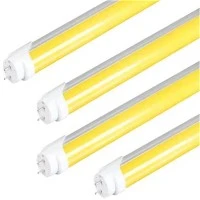
* The Amber Hue: The distinctive warm, often yellow/amber appearance of effective blue light blocking bulbs is not universally appealing. Many users find this tint unattractive or unsuitable for areas where a clean, bright, or neutral white light is desired (e.g., kitchens, bathrooms, garages, retail spaces).
Making an Informed Choice:
Blue light blocking LED bulbs are a specialized tool, not a universal solution. Their value lies primarily in evening/nighttime residential settings (bedrooms, living rooms) for individuals highly sensitive to blue light's sleep-disrupting effects. However, this benefit comes at a cost: compromised color accuracy, reduced brightness and efficiency, a higher price tag, potential aesthetic drawbacks, and the risk of overestimating their protection, especially against screens.
Before investing, consider:
Primary Use Case: Is it truly for evening wind-down? Avoid all-day use in workspaces.
Color Accuracy Needs: Can you tolerate significant color distortion for your activities?
Brightness Requirements: Are you willing to use higher-wattage bulbs or accept dimmer light?
Verification: Choose reputable brands that provide spectral data or hold relevant low-blue-light safety certifications (IEC TR 62778 RG0).
Holistic Approach: Use them as part of a strategy that includes screen time limits, device filters, and good lighting hygiene, not as a standalone fix. Understand the trade-offs inherent in that distinctive amber glow.