In suburban places, chickens are becoming more and more common, and keeping a backyard flock may be a fantastic aspect of sustainable living. However, it's crucial to provide your hens the right cold weather care if you want to keep them happy, comfortable, and productive throughout the winter.
Chickens are well-adapted to withstand even the worst winter conditions. The birds' feathers provide for great insulation, and they may be fluffed to produce an even cozier cloak. To keep those exposed portions warm, they may even tuck their beak or feet into soft feathers. Chickens will position themselves in the sun's warmth on bright days, and they will cluster closely together to exchange body heat on chilly nights. To more effectively withstand cold spells, chickens may even significantly reduce their internal metabolism.
While all hens can survive the cold to some extent, various breeds of chicken have varied adaptations and resistances to low temperatures. Breeds of chickens with stronger feathering and thinner combs are better adaptable to cold temperatures. Some of the finest breeds for cold winters include Australorp, Plymouth Rock, and Cochin chickens.
Winter Chicken Care
Whatever breed of hens you have, there are numerous simple methods to provide them with the proper winter care so they may remain cozy, healthy, and content despite the cold.
1.Winterize the Coop - Before winter sets in, patch any roof leaks and seal any drafts or entrance points for predators in the chicken coop. Additionally, fix any protruding prongs or jagged edges that can be dangerous.
2.Winterize the Run - Make sure the run is secure and winter-ready in addition to the chicken coop. Fences should be fixed, and you may build a windbreak to provide hens more protection without restricting their access to the outdoors.
3.Ensure Proper Ventilation: Chickens might develop respiratory issues from the humidity, odors from a closed-in coop, and decomposing excrement. Verify that the coop has enough ventilation, including cross-coop circulation to help purify the air.
4.Deepen Bedding - Adding a deeper layer of straw, coarse sawdust, or wood shavings to the bedding can help insulate the coop, keep the hens' feet dry, and make cleaning simpler. The bedding layer should ideally be 3 to 6 inches deep throughout the coop.
5.Enhance Lighting: If you count on your hens to be prolific layers, you may need to provide them with up to 10 to 14 hours of light each day. Make sure the windows of the coop are not covered with snow, and if they are, think about installing a supplement light. Timed lights are a simple, hassle-free solution.
6.Provide Adequate Space - Since all of your hens will be seeking cover from the cold, make sure your coop is big enough and has enough perches for each chicken. If the birds are crammed together, they may become hostile, decrease production, and run the danger of developing health issues.
7.Provide Outdoor Perches - Chickens will still want to spend time outdoors, even on chilly days. To help the birds ascend out of the snow and slush, create perches outside using hay bales, thick branches, log pieces, low benches, or stumps.
8.Be Entertaining: A grumpy chicken might become hostile and apathetic. Clean up a spot where the birds may scratch and peck at the ground to keep them entertained during the winter. You can also hang a cabbage or lettuce head for them to play with and nibble at.
9.Protect Chickens’ Combs –The exposed comb of a chicken is susceptible to frostbite; thus, it should be protected. On keep the comb warm and moisturized during cold spells, apply a thin coating of petroleum jelly to it. Throughout the winter, this coating will need to be reapplied often.
10.Keep Water Liquid - Dehydration may cause renal issues and reduce egg production. To ensure that your hens have access to lots of water, use heated bowls. Be sure to clean the bowls periodically to prevent contamination that might put the whole flock in danger.
11.Offer a Bedtime Snack- Later in the evening, give your flock a treat of corn to help them maintain a higher body temperature during the night. Since maize takes a while to digest, the additional meal will keep them warm for many hours.
One Winter Trick to Avoid
Many people place a heat source in the coop to keep their backyard hens warm throughout the winter, but this may be harmful to the animals. In addition to raising the danger of fire, even when an external heater is working correctly, birds may still overheat or burn themselves if they are placed too near to it. Additionally, hens require time to adjust to cooler conditions; yet, if their coop is constantly heated, they won't build up that innate toughness. If the heater breaks down or if there is a power outage and the birds are suddenly exposed to a dramatic temperature decrease, this may be very harmful. Any external heating should only be considered in regions with harsh winters, and if it is required, it should be done with all the essential safety procedures.
Even though the winter months might be difficult, caring for backyard chickens in the winter doesn't have to be difficult. Your flock will prosper and remain content, healthy, and productive throughout the winter with the proper preparation and maintenance.
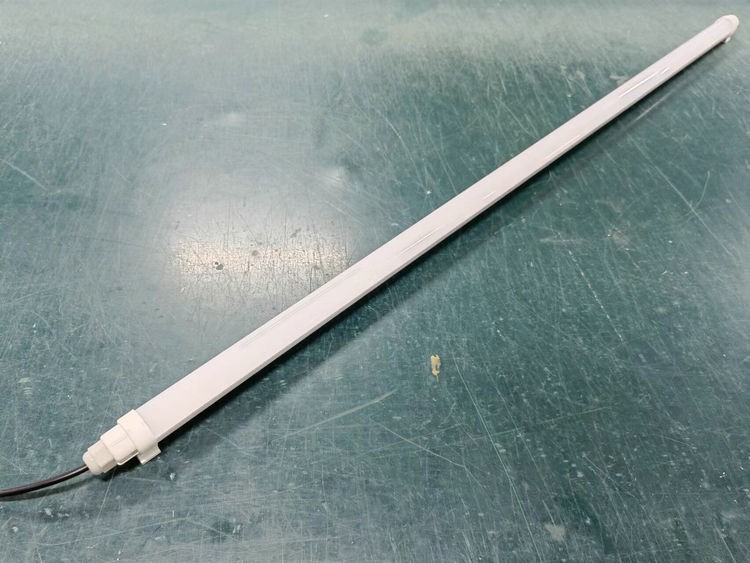
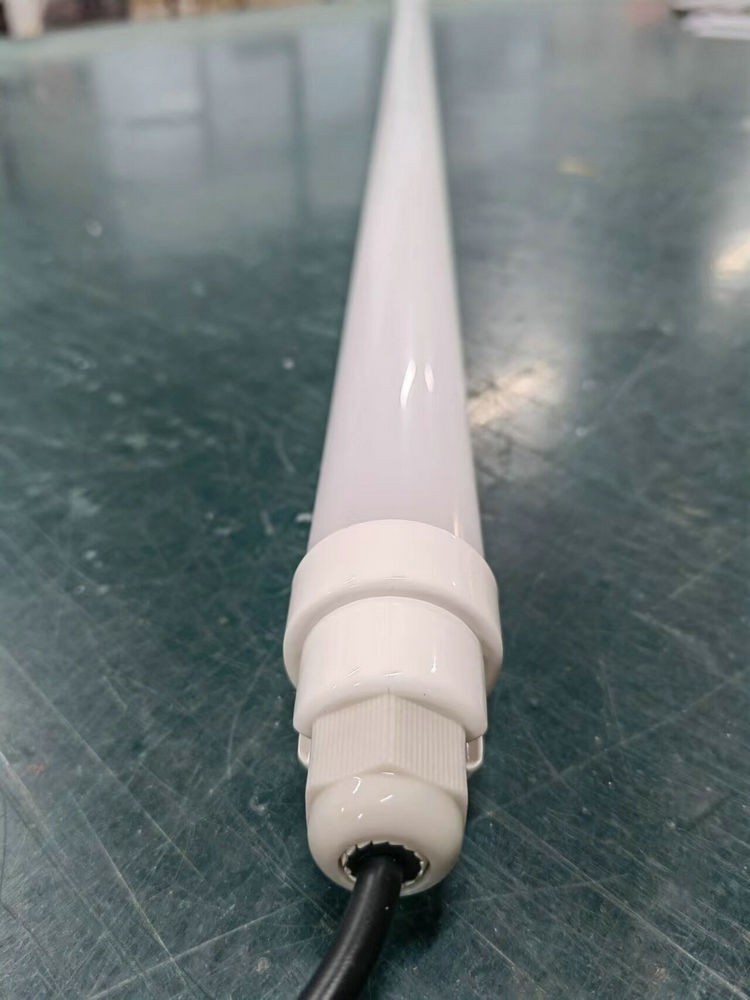
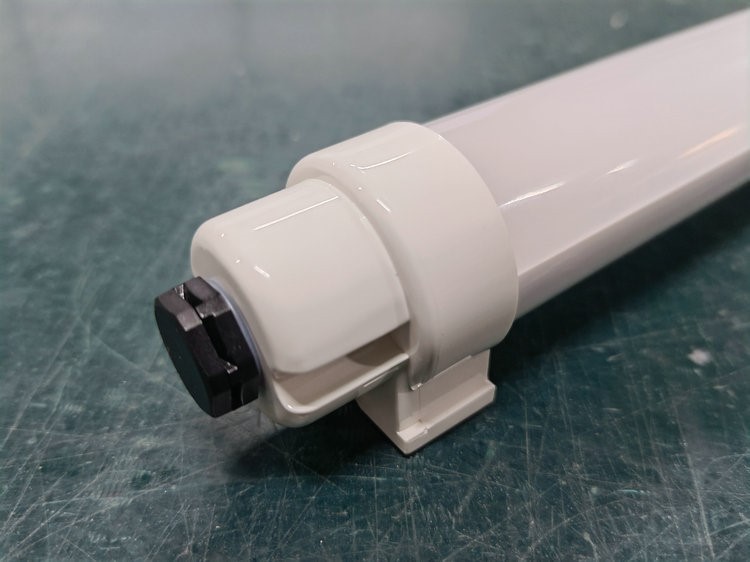
Benwei chicken coop lighting for egg production
|
Power |
Dimension(MM) |
LED Quantity(PCS) |
|
9W |
600*26mm |
Epistar 2835/48PCS |
|
13W |
900*26mm |
Epistar 2835/72PCS |
|
18W |
1200*26mm |
Epistar 2835/96PCS |
|
24W |
1500*26mm |
Epistar 2835/120PCS |
|
36W |
2400*26mm |
Epistar 2835/384PCS |