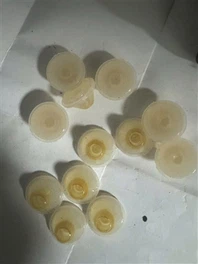
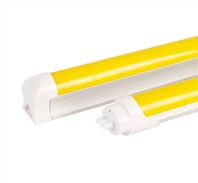
Uncomfortably chilly winters may undoubtedly lower egg output. But the major cause of productivity slowing down in the late autumn is darkness.
According to research, hens produce their greatest eggs when they get roughly 15 hours of sunshine every day. By the end of December, there are less than nine hours of natural daylight in the northern United States. For the following three to four months until the days become longer, more (or artificial) illumination in the coop is necessary to maximize egg production.
The issue of dwindling sunlight is resolved by installing a simple light that is timed. For winter lighting, the same silver reflector lights that are used for roosting chicks work nicely. A simple backyard coop just requires a nine-watt compact fluorescent light. Egg production will increase over the shorter winter days if you plug the lamp into a timer and set it to turn on early enough in the morning to provide the birds with 15 hours of sunshine.
Where To Place Lamps?
The positioning of the lamps affects how the light is distributed. Place bulbs to provide the most lighting across the biggest possible area. Don't simply ignite the nest box, in other words. To disperse the light, hang a lamp or bulb from the top of the coop. Also, be cautious of soiled bulbs. Clean lamps at least once a week since they may reduce light output by up to 15% to 20%.
Other Tips For Winterizing Your Flock
A constant supply of fresh water should be available; heated waterers save the birds from having to work hard and save time.
Ensure that a premium layer feed, such as NatureWise or Country Feeds, is constantly accessible. Your hens must consume enough food to be warm and continue laying eggs.
Make sure there are no drafts in the coop, but don't sacrifice ventilation since too much moisture might have negative health effects.
Give your hens some additional scratch grain in the morning and the afternoon. The reward will keep winter birds occupied for hours, preventing boredom and providing them with additional energy for warmth.
Bedding may grow moist as a result of the hens spending more time in the coop. When necessary, especially on a warmer day, remove and replace. The hens' bedding should be clean, dry, and odor-free in order to help them remain warm.
Chickens prefer being outdoors, even in the cold, but most don't like to walk in the rain or on snow, so let them out into their run.
Your hens will maintain their winter egg production with a little additional care and attention, and before you know it, spring will here!
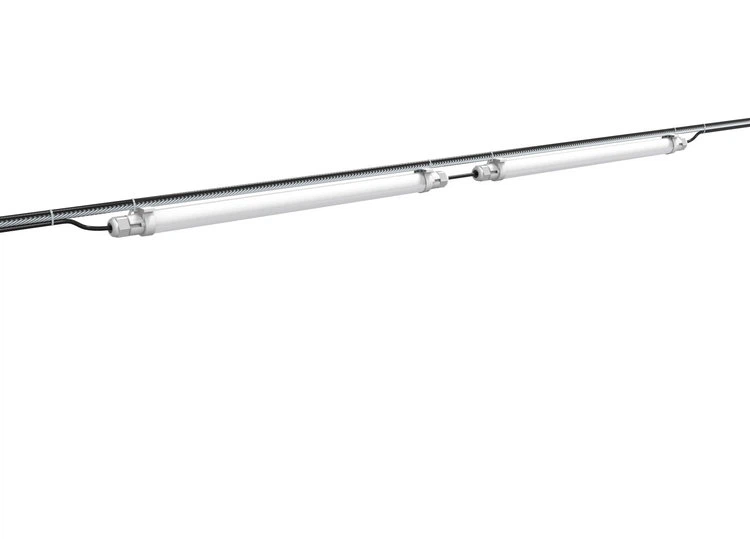
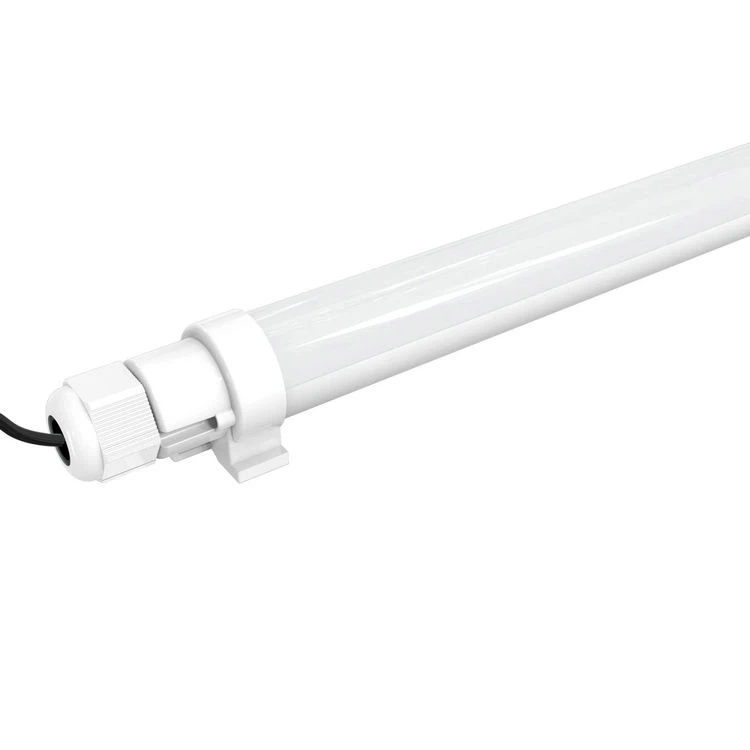

Benwei chicken coop lighting for egg production
|
Power |
Dimension(MM) |
LED Quantity(PCS) |
|
9W |
600*26mm |
Epistar 2835/48PCS |
|
13W |
900*26mm |
Epistar 2835/72PCS |
|
18W |
1200*26mm |
Epistar 2835/96PCS |
|
24W |
1500*26mm |
Epistar 2835/120PCS |
|
36W |
2400*26mm |
Epistar 2835/384PCS |