Due to less daylight hours in the late autumn and winter, egg production may decline, but there are tactics you may use to keep hens producing.
It may be both gratifying and difficult to raise hens for egg production. The length of the day has an impact on a chicken's reproductive cycle. In the early spring, hens will start to lay when there are 14 hours of daylight each day. The duration of the day will reach its maximum when it is 16 hours long. Chicks hatch in the spring and grow and mature over the warmer summer months thanks to the marvels of biology.
By using artificial illumination in coops, poultry owners may influence the egg-laying cycle to stimulate more egg production in their flocks. To allow birds to naturally roost, additional lighting should be used in the early hours at a low intensity level that is just bright enough for a bird to read a newspaper. Few sections in the hen house should be sheltered from the light, and lights should be positioned over feeders and waterers.
The kind of bulb that poultry owners use to create artificial lighting is a crucial aspect to take into account. Fluorescent lights are less costly to run than incandescent lights, but they need more upkeep in dirty hen houses and are more difficult to control when it comes to brightness. In cold conditions, fluorescent lights could not operate at full capacity.
The hen's reproductive cycle won't be stimulated by a "cool" wavelength fluorescent bulb, so if you do decide to use one, choose one with a "warm" wavelength that emits orange or reddish light. Although incandescent lights might increase your power cost, a dimmer makes it much simpler to control their brightness. Since LED lights use less energy than both incandescent and fluorescent bulbs and are more dependable in cold weather than the majority of fluorescent bulbs, they are a wise option.
The maximum 14–16 hours of artificial light may be used without damage after pullets are 16 weeks old. When using artificial lighting, start by gradually increasing your exposure to light by 1 hour each week until you reach the maximum of 14–16 hours per day.
Since usual, proper care should be given to chickens as other aspects like diet and general health also affect egg production. Visit the Small & Backyard Flock eXtension website for additional details and resources on egg production and hen management.
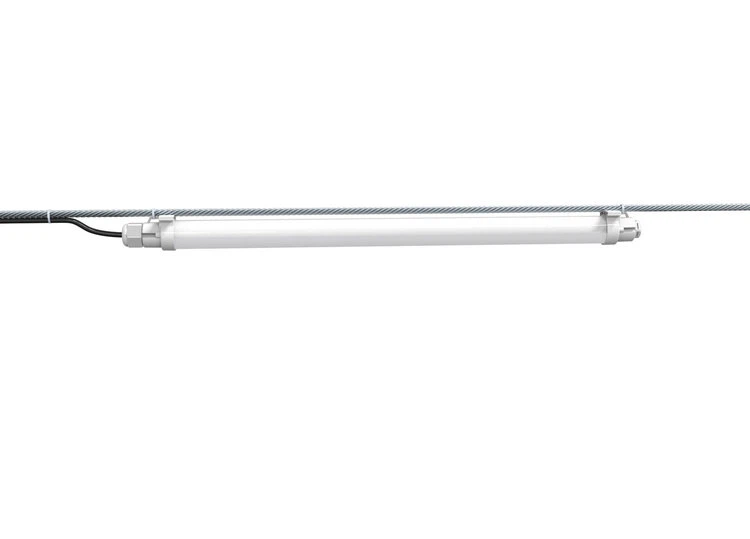
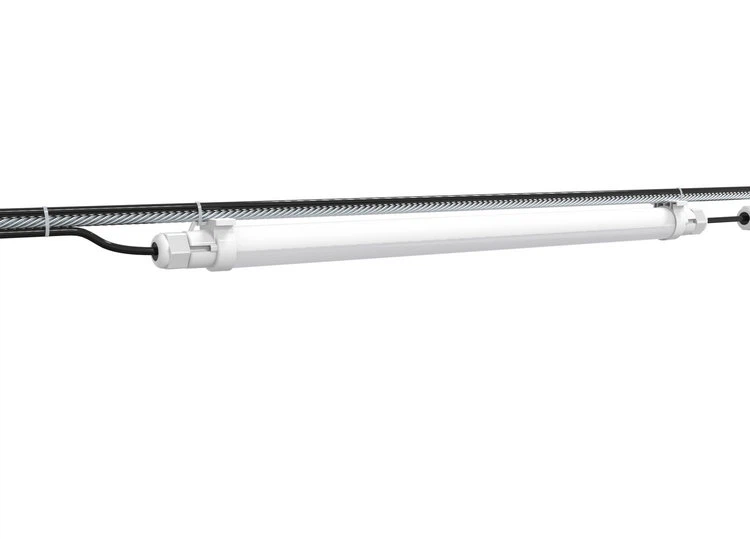
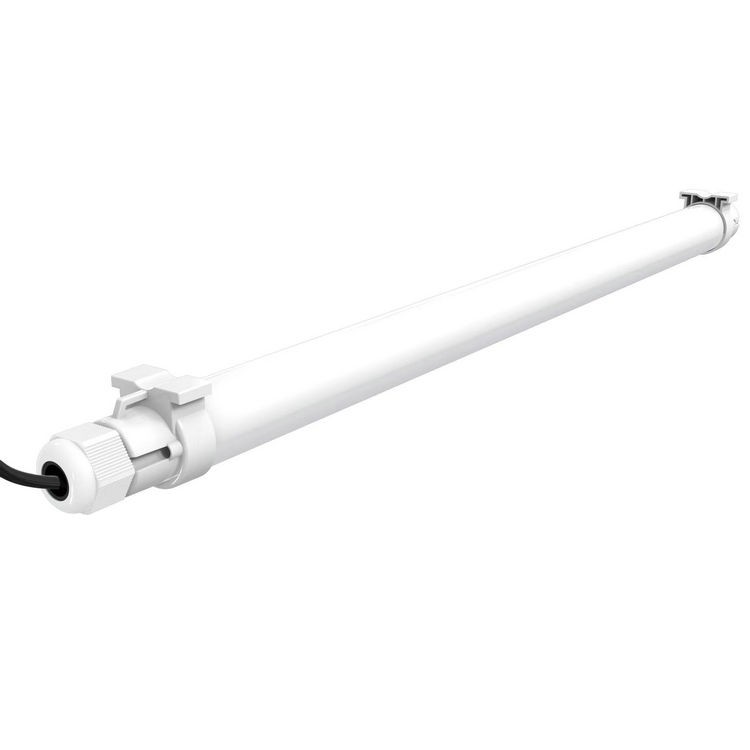
Benwei chicken coop lighting for egg production
|
Power |
Dimension(MM) |
LED Quantity(PCS) |
|
9W |
600*26mm |
Epistar 2835/48PCS |
|
13W |
900*26mm |
Epistar 2835/72PCS |
|
18W |
1200*26mm |
Epistar 2835/96PCS |
|
24W |
1500*26mm |
Epistar 2835/120PCS |
|
36W |
2400*26mm |
Epistar 2835/384PCS |