Australia alone is home to more than 200,000 insect species, some of which have no names at all due to the annual discovery of new varieties!
Are bugs drawn to LED lights? Are incandescent bulbs more insect-friendly than LED lights? How can I have lights outside while keeping these bugs out of my house?
The answers to these questions may be found here! Knowing more about the science behind it all can help you pick the perfect LED lights for your house.
Learn more about why bugs prefer light and how to reduce the number of bugs around your lights by reading on.
Is there a globe which repels insects?
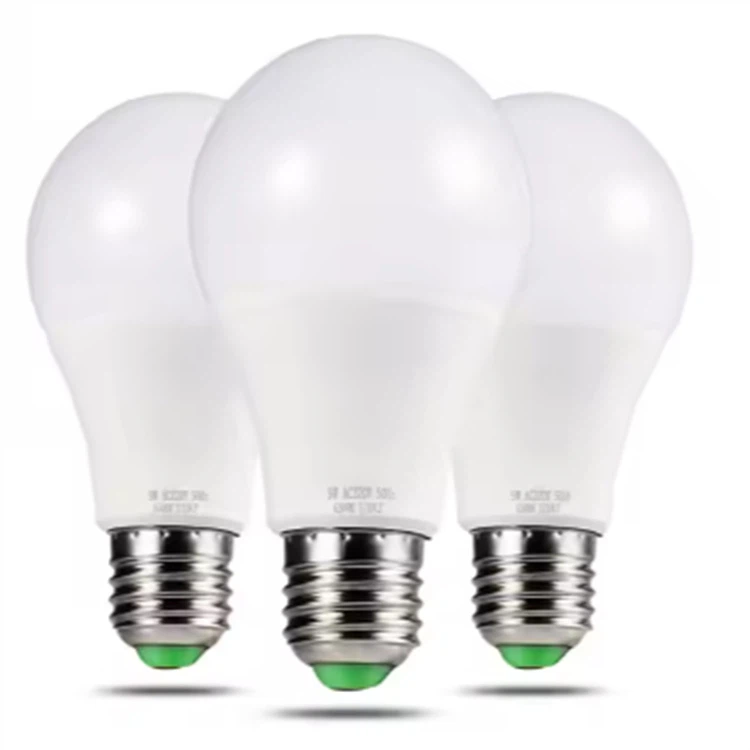
Yes the link below you will see an anti-Insect LED Globe designed to emit light that repels Insects. This works great with repelling mosquito's.
Why Are Bugs Attracted to Light in the First Place?
To find their way about at night, insects use a variety of light sources, including the moon. To see where they are going and what they are doing, they utilize outside lighting for many of the same purposes as people.
In fact, a lot of bugs, if not all of them, would rather just travel and find their way using the moonlight. But because there are so many lights on the streets, on people's houses, and in other places where bugs might be able to see them, they become confused about how to move. Because they believe the artificial light to be the moon, they wind up moving in the direction of these lights.
Additionally, especially in colder climates, bugs enjoy the warmth that light bulbs produce.
Bugs, however, are only drawn to lights that are visible to them. If not, the light will not resemble the moon in the slightest. The insect won't even detect your dimmer light, regardless of the sort of light bulb you have.
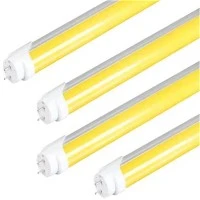
Because bugs are more adept at mimicking moonlight, bulbs with shorter wavelengths will draw more of them. Typically, they will be the bulbs that have a very cold white or even blue hue. Longer wavelengths emitted by more yellow, orange, or red-tinted bulbs are far more difficult for insects to see.
Do LED Lights Attract Bugs?
Technically, LED lights do attract bugs. However, based on what we've just discussed, any light that may look like the moon to a bug will attract it regardless of the type of bulb being used.
Because LED lights are cooler than other types of lightbulbs (meaning they don't get as warm), bugs aren't as attracted to them in general. However, many LEDs are quite bright and do emit that cool white, blue colour that bugs love, so they care about this aspect much more.
Bugs will only pay attention to this if you just leave the light bulb exposed to the outdoors. If you have a cover or casing over the light bulb, the bug likely won't be as attracted to it.
The light won't be quite as bright in a case and may look a little less like the actual moonlight. You can choose a case with glass or plastic that has a tint to it also so that you can control the look of the light without choosing a different bulb altogether.
In addition to that, LED lights don't emit ultraviolet light, which is something else that appeals to bugs. Many insects are attracted to black UV lights.
If you choose an LED light that has a longer wavelength, which we discussed above, you won't run into these issues either. LEDs come in a range of options, so you can easily find some that will work for this specific purpose.
It's important to note that there are no specific light spectrums that will completely repel bugs. Every spectrum has some type of bug that loves it; however, if you want the fewest number of bugs possible, the longer wavelengths are what you need to look for in your LED bulbs.
LED vs Incandescent Light Bulbs: Which Is Worse for Bugs?
In reality, bugs don't give a damn what the kind of bulbs you use. They are concerned with the appearance and feel of the light.
You should consider the color spectrum of the light bulb and the amount of heat it releases if you're searching for lights that don't attract pests. The type of bulb is not nearly as critical as these aspects.
It's also not as easy as picking a bulb with a blue spectrum vs one with a yellow spectrum since various kinds of bugs are drawn to different color spectrums. You should think about the kinds of bugs that are present in your region and the color spectrum that they prefer.
But if you don't want to invest the effort in that kind of study, just follow our previous advice: longer wavelength lights often draw fewer bugs.
Compared to LED bulbs, bugs are naturally somewhat more drawn to incandescent light bulbs since they also provide the heat that bugs enjoy.
https://www.benweilight.com/lighting-tube-bulb/led-bulb-light/led-bulb-lights.html