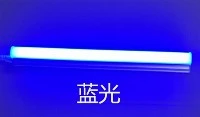
1, blue light has clear and measurable impacts on chickens.
Poultry (both broilers/meat chickens and layers) respond differently to light wavelengths than humans because their vision includes sensitivity to ultraviolet, blue, green, and red. Research consistently shows that blue light (typically around 450–480 nm) influences behavior, stress, growth, immunity, and physiology.
2,Main effects of blue light on chickens
Welfare and behavior
Reduces stress and fear responses. Birds under blue light show lower heterophil/lymphocyte (H/L) ratios (a blood stress marker), shorter tonic immobility, and calmer reactions to novel objects or humans.
Birds become less active overall, rest more, forage more, and spend longer at feeders.
This calming effect is one of the most consistent findings across large-scale studies.
Growth and production (broilers)
Often supports better body weight gain and muscle development, especially in later growth stages.
Some studies report improved feed conversion ratio (FCR) and higher carcass weights under blue or blue-green combinations.
Effects on final body weight, feed intake, or mortality are sometimes neutral when light intensity is carefully matched across colors.
Layers (egg-laying hens)
Blue light during the growing (pullet) phase can increase body weight and lead to earlier onset of egg laying (e.g., starting around 17 weeks vs. 19 weeks under standard lighting in one study).
Switching to red light later can influence egg quality traits such as higher relative yolk percentage.
Physiology and immunity
Can enhance certain immune markers and organ weights (spleen, liver).
Influences lipid metabolism (sometimes increasing liver fat-related gene expression and serum triglycerides/cholesterol).
Affects melatonin rhythms in some cases, though impacts are often modest.
Blue-green combinations have been linked to better immunoglobulin levels in some trials.
Important caveats
Results depend on intensity (measured in lux or the poultry-adjusted "clux"), photoperiod (hours of light/dark), age of the birds, breed, and whether the light is pure monochromatic blue or mixed.
Older beliefs that chickens "cannot see" under blue light have been disproven - they can see and navigate under it.
Pure blue light can make the environment dark for human workers, so practical systems often use combinations or adjustable LEDs.
Not all studies show large production gains; welfare benefits (lower stress/fear) are more consistent than major differences in final weight or egg numbers.
Blue light is widely studied and used in modern poultry housing (especially with LED systems) because it generally calms birds, reduces stress and fear, and can support growth or earlier maturity depending on the stage and management. It is one of the more beneficial wavelengths for many commercial goals when applied correctly. you can see more blue light on https://www.benweilight.com/professional-lighting/poultry-led-light/t12-blue-led-light-for-poultry.html