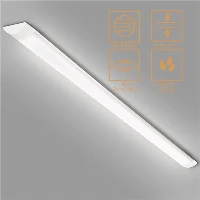
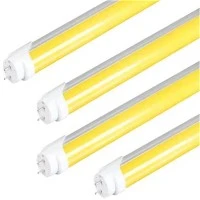
Does the V-shaped lamp require modification of the original T8 fluorescent lamp bracket? Is it compatible with electronic/magnetic ballasts?
When considering the switch to V-shaped lamps from traditional T8 fluorescent tubes, two critical questions arise: whether modifications to the original T8 bracket are necessary, and how compatible these lamps are with existing electronic or magnetic ballasts. These factors are pivotal for both residential and commercial users looking to upgrade lighting systems efficiently and cost-effectively.
First, regarding modifications to the original T8 fluorescent bracket, the answer largely depends on the design of the V-shaped lamp in question. Most modern V-shaped lamps are engineered to fit into standard T8 brackets without major alterations. This is because they retain the same pin spacing (G13 base) as T8 tubes, allowing them to slide into the existing socket fixtures seamlessly. However, there are exceptions. Some V-shaped models, particularly those with integrated heat sinks or non-standard dimensions, may require minor adjustments. For instance, if the bracket has a tight internal clearance, the broader profile of a V-shaped lamp might cause interference, necessitating the removal of unnecessary plastic guides or clips within the bracket. In rare cases, where the bracket's ballast housing is overly bulky, slight trimming might be needed to accommodate the new lamp's shape. Overall, though, the majority of installations can proceed without extensive modifications.
Next, compatibility with electronic and magnetic ballasts is a more nuanced issue. Traditional T8 fluorescent tubes rely on either magnetic (inductive) ballasts or newer electronic ballasts to regulate current. V-shaped lamps, which are often LED-based, have different electrical requirements, and this affects their compatibility. Magnetic ballasts, which are older and less efficient, are generally not compatible with LED V-shaped lamps. This is because magnetic ballasts operate by creating a high initial voltage to ignite the fluorescent gas, a process that is unnecessary and potentially damaging for LEDs, which require a steady, low-voltage direct current (DC). Using a magnetic ballast with an LED V-shaped lamp can lead to flickering, reduced lifespan, or even immediate failure of the lamp.
In contrast, electronic ballasts have a higher chance of compatibility, but this is not universal. Many electronic ballasts are designed to work with specific types of fluorescent tubes, and their output may not align with the voltage or current needs of LED V-shaped lamps. Some manufacturers produce V-shaped lamps that are "ballast-compatible," meaning they can operate with certain electronic ballasts by incorporating internal circuitry to convert the ballast's output to a suitable form for the LED. However, this compatibility is often limited to specific ballast models, and users must check the lamp manufacturer's specifications to ensure a match. Alternatively, many V-shaped lamps are designed to be "ballast-bypass," requiring the removal of the existing ballast entirely. In this case, the lamp is wired directly to the mains power supply, which eliminates compatibility issues but does require basic electrical work to disconnect the ballast and rewire the circuit.
The trend in the lighting industry leans toward ballast-bypass installations for V-shaped lamps, as this approach maximizes efficiency and longevity. Bypassing the ballast reduces energy loss, as the ballast itself consumes some power, and eliminates the risk of incompatibility. However, this method does require more extensive modification to the bracket's wiring, which may be a deterrent for those without electrical experience. For users unwilling or unable to perform this work, ballast-compatible V-shaped lamps remain a viable option, provided they are paired with a compatible electronic ballast.
In summary, while most V-shaped lamps fit into original T8 brackets with minimal or no modifications, compatibility with ballasts varies significantly. Magnetic ballasts are generally incompatible and should be replaced or bypassed, while electronic ballasts may work with certain ballast-compatible models but require careful verification. For optimal performance and safety, consulting the lamp manufacturer's guidelines and, if necessary, enlisting a qualified electrician is advisable. By addressing these factors, users can ensure a smooth transition to V-shaped lamps, enjoying their benefits of energy efficiency and improved light distribution without unnecessary complications.