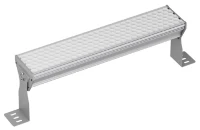
Knowing Why Illuminated Exit Signs Are Important
An essential part of building safety systems are exit signs with built-in lights. In an emergency, they act as visual cues that lead residents toward secure exits. During fire evacuations or power outages, the illumination can save lives by ensuring vision even in dim or smokey situations. Illuminated exit signs serve a practical purpose, but they also support a building's broader safety culture by highlighting the value of occupant awareness and readiness.
Commercial, industrial, and public buildings are required to have illuminated exit signs installed by regulatory agencies including the Occupational Safety and Health Administration (OSHA) and the National Fire Protection Association (NFPA). In addition to being required by law, adherence to these norms is morally necessary to preserve human life. Furthermore, since broken exit signs can cause confusion and panic during emergency situations, routine testing and maintenance are necessary to guarantee that these signs continue to function.
Why Exit Sign Lighting Quality Is Important
The quality of the lighting greatly affects how effective an exit sign is. Signs should be visible from a distance, but not so bright that they are uncomfortable or glaring. The performance of lit exit signs is significantly influenced by color temperature, illumination uniformity, and energy efficiency. The signs' angle and placement also have a big impact on how visible they are; placing them in busy places guarantees that they will be visible when every second counts.
LED technology's durability, low power consumption, and steady light output have made it the go-to option for exit signs. However, to avoid frequent dangers like uneven lighting or premature failure, choosing the suitable LED module and making sure it is installed correctly are crucial. Furthermore, thanks to developments in smart technology, exit signs can now interact with building management systems to provide real-time status updates and notifications in the event that a sign malfunctions. Upholding safety regulations in any facility is made simpler by this integration, which also improves safety by streamlining maintenance procedures.
Typical Obstacles in Lighting Projects With Exit Signs
During the design, installation, and maintenance stages of lighting projects, exit signs with illumination pose a number of difficulties, despite their seeming simplicity. Stakeholders may anticipate problems and put effective solutions in place by having a thorough understanding of these concerns.
1. Adherence to Changing Standards and Codes
Keeping up with the constantly changing safety regulations and standards is one of the biggest challenges. The standards for exit sign placement, battery backup time, and illumination levels are frequently updated by building codes. For instance, certain jurisdictions can mandate that signs be able to be seen from a certain distance or that photoluminescent materials be used in addition to electrical lights.
Noncompliance may lead to expensive retrofits, penalties, or decreased safety. Consequently, it is imperative that lighting designers and contractors be up to date on local requirements and integrate them into project planning from the beginning. Furthermore, smart technology is increasingly being incorporated into exit signs to enable compliance reporting and real-time monitoring. Stakeholders must make sure that these sophisticated systems comply with current codes, which might not yet take such advances into account, which might add another level of complexity.
2. Problems with the backup battery and power supply
Reliable backup power solutions are necessary since exit signs must stay lit during power outages. Although sealed lead-acid or nickel-cadmium batteries are used in many signs, these parts have short lifespans and need to be tested and replaced on a regular basis.
Sign failures at crucial times may result from poor battery maintenance or malfunctioning power connections. Furthermore, in large or older buildings with wiring that does not meet modern standards, incorporating exit signs into emergency lighting circuits can be challenging. The requirement for routine testing procedures and inspections to guarantee that backup systems operate as intended adds to the difficulty. Stakeholders must also think about how disposing of batteries affects the environment and look into recycling or more sustainable battery technologies, which can be more expensive initially but are better in the long term.
3. Installation and Environmental Limitations
Environmental elements that can deteriorate exit sign components include extremes in temperature, humidity, and exposure to dust or chemicals. Specially rated fixtures may be needed in outdoor or industrial environments in order to survive challenging circumstances.
Mounting signs in places that optimize visibility while minimizing impediments is one of the installation challenges. Placement and wiring in retrofit projects may be complicated by existing infrastructure or a lack of space. Furthermore, the installation procedure may be made more difficult by the aesthetic considerations of a building's design, since stakeholders may have to strike a balance between exit signs' visual impact and functioning. In certain situations, innovative fixes like custom housings or recessed lights might be required to guarantee compliance without sacrificing the space's architectural integrity.
4. A Look at Sustainability and Energy Efficiency
As the importance of sustainability increases, lighting projects need to strike a balance between energy use and safety. Compared to LED alternatives, conventional incandescent or fluorescent exit signs use more energy and need more regular maintenance.
However, there are up-front expenses and possible compatibility problems with current emergency systems when switching to energy-efficient options. When choosing exit sign illumination systems, project managers need to consider lifecycle costs and the impact on the environment. Furthermore, there is growing pressure to implement cutting-edge technologies like exit signs with motion sensors or solar power as energy efficiency regulations get stricter. By guaranteeing that escape paths are only illuminated when required, these choices not only save energy but also improve environmental safety by prolonging the life of the lighting systems now in use.
Practical Ways to Solve Lighting Issues with Exit Signs
Strategic planning, technology adoption, and regular maintenance procedures are all necessary to address the issues with LED exit signs.
1. Active Documentation and Code Compliance
Early project engagement with local code officials can help define requirements and avoid expensive changes. Exit sign designs are guaranteed to meet or beyond standards when resources like code guides, manufacturer specifications, and industry best practices are used.
Facility safety management is improved and compliance audits are supported by keeping accurate records of installed equipment, test results, and maintenance plans.
2. Monitoring and Advanced Power Solutions
Smart battery monitoring systems, which offer real-time status updates and notify maintenance staff of possible failures before they happen, are frequently incorporated into contemporary exit signs. These systems can increase dependability and decrease downtime.
Furthermore, choosing exit signs with reliable battery technologies and universal voltage inputs can make installation easier and prolong service life.
3. Product Selection Tailored to Environmental Requirements
Selecting exit signs made of corrosion-resistant materials and with the proper ingress protection (IP) ratings is crucial for difficult settings. LED modules with sealed enclosures and broad temperature tolerances assist sustain performance under challenging circumstances.
Installation in confined or unusual areas can be made easier with custom mounting choices and modular designs, guaranteeing maximum visibility without sacrificing aesthetics.
4. Integration and Energy-Efficient Upgrades
Energy usage and maintenance expenses can be greatly decreased by switching to LED technology for current exit signs. Numerous manufacturers provide retrofit kits that streamline the conversion procedure without necessitating the replacement of all fixtures.
By integrating exit signs with building automation systems, facility managers may optimize energy use and quickly respond to system warnings thanks to centralized control and monitoring.
Examples of Effective Lighting Projects for Exit Signs
Addressing exit sign lighting issues results in safer, more effective buildings, as demonstrated by real-world instances.
Case Study 1: Retrofitting High-Rise Office Buildings
The emergency lighting system of a sizable office skyscraper was completely retrofitted, swapping out antiquated incandescent exit signs for LED counterparts with intelligent battery monitoring. The project involved installing signs with improved visibility characteristics and rewiring to comply with current electrical requirements.
Following the improvement, the building reported better fire safety inspection compliance and a 60% decrease in energy expenses for emergency lights. Remote monitoring capabilities helped maintenance staff by decreasing the frequency of manual testing.
Case Study 2: A Harsh Environment at an Industrial Facility
High humidity and chemical exposure caused frequent exit sign failures at an industrial manufacturing site. Installing exit signs with IP65-certified enclosures, corrosion-resistant coatings, and LED modules suitable for extremely high or low temperatures was the solution.
The new signage improved worker safety and reduced downtime by maintaining constant illumination even under challenging situations. In accordance with manufacturer recommendations, the facility also put in place a preventive maintenance schedule.
The Best Ways to Maintain Lighting Systems for Exit Signs
Regular testing and maintenance procedures are necessary to guarantee the durability and dependability of illuminated exit signs.
Functional testing and routine inspections
Visual inspections should be performed once a month to ensure that exit signs are clear and well-lit. Battery backup systems are usually functionally tested periodically or semi-annually to ensure that signs continue to function in the event of a power outage.
All testing and inspections should be documented in order to support regulatory compliance and spot any trends that might point to equipment degradation.
Prompt Repairs and Replacement of Components
Safety dangers can be avoided by quickly resolving problems like flickering, dimming lights, or battery failures. Sustained performance is ensured by upgrading obsolete parts and replacing batteries in accordance with manufacturer recommendations.
Repairing a system with a certified electrician or lighting professional preserves system integrity and complies with electrical codes.
Training and Awareness for Facility Staff
Promoting a safety-conscious atmosphere involves teaching building occupants and maintenance staff the value of exit sign visibility and how to report failures. Overall preparedness is improved by having clear procedures for managing emergency lighting systems.
In conclusion, putting safety first through thoughtful exit sign lighting is essential for a safe building evacuation in the event of an emergency. Lighting projects are complicated by issues including code compliance, power reliability, environmental conditions, and energy efficiency, but they can be successfully resolved with careful design and contemporary technologies.
Facility managers and lighting specialists may guarantee that exit signs function dependably when they are most needed-thus protecting people and property-by placing a high priority on high-quality design, proactive maintenance, and standard compliance.


Our address
No. 5-3 Niujiao Road, Yanchuan Community, Yanluo Street, Bao'an District, Shenzhen
Phone Number
+86 18659785153
bwzm04@ledbenweilighting.com