Herb growing lights may transform your kitchen into a year-round space. The circle An Introduction to Herb Garden: A Guide to Having Fresh Flavors at Your Theft


The act of snagging a handful of fresh basil from your windowsill while you are preparing spaghetti or plucking mint leaves to muddle into a summer mojito is a magnificent experience; it does not necessitate the use of wilted herbs from the grocery store. The cultivation of herbs inside, on the other hand, appears to be a lost struggle for many of us. In the winter, when sunlight is limited and winters are gloomy, even the windowsill that receives the most sunlight may not be able to provide sufficient illumination to prevent basil from reaching toward the glass or mint from turning yellow. Introduced here is the herb growing lamp, the unsung hero of the world of indoor gardening. The game is being changed by these compact and energy-efficient gadgets, which make it possible for anybody to cultivate lush and tasty herbs throughout the whole year, regardless of whether they live in a small apartment or a house with shaded windows. Let's go into the inner workings of these lights, discuss why they are a game-changer, and determine how you may utilize them to create your very own herb paradise in the kitchen.
Those who adore the sun are herbs. The herbs basil, parsley, rosemary, and their relatives get between six and eight hours of direct sunshine on a daily basis in their native outdoor habitats. Photosynthesis, the process that converts light into energy, is fueled by this light, which helps herbs grow robustly, increase their production of essential oils (which means they have more taste!), and protect them from pests. On the other hand, even the brightest place is rarely enough when it comes to inside. A window that faces south may give four to six hours of light during the summer months; but, during the winter months, daylight hours decrease, and glass blocks out a significant portion of the sun's rays. What is the end result? There are herbs that are "leggy" because they have long stems that are weak and stretch for light, fading leaves and limited development. The leaves of the parsley plant bolt to seed early, the basil plant wilts, and the rosemary plant's tips become brown. The flavor of herbs that are purchased from grocery stores, which are harvested days or weeks before they are brought to your kitchen, is quickly lost because enzymes break down the aromatic oils in the herbs within days of harvesting, leaving them feeling tasteless. It is at this point when herb growth lights come into play. There is no need to worry about the weather, the season, or the orientation of the window since these customized LED lights imitate the energy of the sun and offer the precise wavelengths of light that herbs require to flourish. Although they are referred to as "lights," they are actually a shortcut to regular and reliable growth, which allows you to transform even the smallest space of your kitchen into a miniature herb farm.
To have a better understanding of why herb growing lights are effective, let's get a little bit of science (don't worry, you won't need a lab coat for this). Not only do plants require "light," but they also require particular kinds of light in order to flourish. In spite of the fact that sunlight has a variety of wavelengths, ranging from red and blue to green and yellow, plants only make use of specific portions of this spectrum. In order for leafy growth to occur, blue light (400–500 nm) is utilized. Strong, bushy growth, thick stems, and robust foliage are all things that are encouraged by this, and these are the things that give herbs their full and vivid appearance. If there is not enough blue light, herbs will "reach" for more light, which will cause them to grow tall and spindly. During the blooming and fruiting stages, as well as overall plant health, red light (600–700 nm) is beneficial. Despite the fact that herbs are not planted for their blossoms (unless you want to let basil bolt for seeds), red light is beneficial to the creation of energy and boosts plants, making them more resistant to the effects of stress. The term "full-spectrum" refers to the illumination that replicates the natural sunshine by blending blue, red, and other wavelengths. Many current herb growing lights give this type of illumination. For herbs, this is the perfect solution because it satisfies all of their growing requirements without making things too complicated.

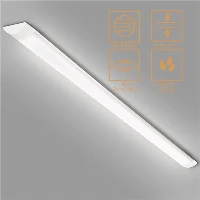
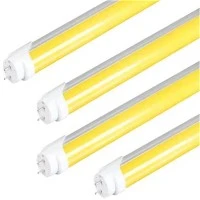
Choosing the appropriate grow light for your herbs can be the difference between a lush garden and a sad, straggly mess. Grow lights come in a variety of shapes and sizes, and not all of them are made equal. Light-emitting diode (LED) lights are the industry standard for indoor herb gardens, and there is a strong explanation for its widespread adoption. They use up to 75% less electricity than traditional incandescent or fluorescent lights, making them significantly more energy-efficient than those types of lighting. They also emit very little heat, which is essential for herbs since an excessive amount of heat can cause the soil to dry out, make the leaves burn, or create a microclimate that is stuffy and fosters mold growth. The use of fluorescent lights, such as T5 grow lights, is also possible; however, these lights are more cumbersome, less energy-efficient, and have the potential to cause harm to delicate herbs if they are positioned too closely together. Incandescent lights, on the other hand, are not a good option since they produce a lot of heat and the spectrum that plants require is not the right one. Invest on LEDs if you want the finest possible outcomes.
For the purpose of promoting bushy, leafy development, it is important to give priority to lighting that highlight blue wavelengths (400–500 nm). Herbs are all about the leaves. There are a lot of LED lights that are designed specifically for herbs that are branded as "vegetative" or "leafy growth" lights. This indicates that they are tuned to produce more blue light than red light. Avoid using lights that have a high concentration of red spectrum; these are more suitable for blooming plants or vegetables that produce fruit, such as tomatoes. In addition, full-spectrum lights are a reliable option. In addition to blue and red wavelengths, they also include a trace amount of green, which plants can not absorb very much of but which helps the light appear more natural to human eyes. This ensures that your kitchen will not appear to be a spacecraft from the outside.
While herbs do require a steady supply of light, they do not require the same level of intensity as, for example, tomato plants. Try to find lights that have a brightness that ranges from 150 to 300 micromoles per square meter per second (μmol/m2/s). This is a measurement of light intensity, which is comparable to how we measure the intensity of sunshine. For your reference, a bright day may reach a temperature of 1,000 μmol/m2/s, while at home, herbs flourish in the range of 150–300 μmol/m2/s. The coverage is also important. A clip-on light or a tiny LED panel can do the trick if you are cultivating a small herb garden consisting of three or four pots. An LED bar that is longer or a hanging light may cover numerous pots at the same time, which is useful for bigger installations.
It is important to keep a light distance from herbs. If they are too far away from the light, they will stretch; if it is too close, the leaves may burn. Find lights that have a height that can be adjusted (such ones that are on a stand or that have a chain that hangs from them) so that you may elevate them as your herbs develop. The majority of plants want the light to be 6–12 inches above their leaf. A built-in timer is a game-changer for gardeners who are constantly on the go. The fact that you forget to switch off the light might cause stress for herbs, since they require between 12 and 16 hours of light every day (yes, more than sunshine during the winter!). They are able to simulate natural cycles by using a timer, which assures that they have continuous "daylight" and "nighttime."
Prepared to transform your kitchen into a sanctuary for herbs? In order to begin growing, you will need to follow these instructions to set up your growth light. While not all herbs have the same light requirements, the majority of them do well when grown using LED growth lights. Begin with these types that are simple to cultivate: On a daily basis, you should strive to expose basil to between 14 and 16 hours of light. Mint is a tough plant that grows quickly and requires between 12 and 14 hours of sunshine. Despite the fact that it can withstand somewhat less light, parsley still requires 12–14 hours. For bushy development, rosemary requires 14–16 hours of sunshine every day. Rosemary is a sun-loving plant. The thyme plant is small and hardy, and it can withstand light for 12–14 hours. Avoid using heavy garden soil, which can retain an excessive amount of moisture, when planting herbs. Instead, use pots made of terracotta or plastic that have drainage holes and fill them with lightweight potting mix. Mint tends to thrive in damp soil, whilst rosemary thrives in drier circumstances. Herbs that have comparable water requirements should be grouped together.
Your LED growth light should be positioned above the herbs, beginning six to eight inches from the top of the leaf itself. To maintain its stability, you might make use of a stand, shelf, or hanging system. You should mount the clip-on light to a shelf or cabinet that is located above the plants if you are utilizing it. Ensure that the light is reaching all of the plants in order to achieve even growth; if some of the herbs are on the periphery of the light's range, they may grow toward the center of the area. Rotate the pots on a weekly basis to ensure that each side receives the same amount of light. There is a wide range of light requirements for herbs, ranging from 12 to 16 hours each day. Alternately, you may use a separate plug-in timer or the built-in timer of the lamp to simulate the hours of daylight. For the majority of herbs, a decent plan would be to turn the light on at seven in the morning and turn it off at nine in the evening, which is fourteen hours. It is important to resist the impulse to leave the light on a constant basis since plants require darkness in order to recover and assimilate nutrients, just as people require sleep.
Once a week, check on your herbs. Either bring the light closer to the stems or raise the brightness if the stems are reaching toward the light, which is a phenomenon known as "etiolation." Increase the distance between the light source and the foliage by a few inches if the tips of the leaves seem bleached or brown. Adjust the height of the light so that it remains between 6 and 12 inches above the new growth during the growth of the herbs. On a regular basis, pinch back the stems (this will stimulate bushier growth), and remove the leaves from the top of the plant to maintain its compactness.
Even with the finest possible configuration, there is always a possibility that you will experience some difficulties. Either there is not enough light intensity or the light is too far away, which is the source of stems that are lanky and spread out. Move the light closer to the foliage (to a height of six to eight inches) or increase the number of hours of daily light by one to two hours. Additionally, pull back the stems that have become stretched out in order to stimulate new growth. Either an excessive amount of light (which is uncommon but achievable with strong LEDs) or an excessive amount of irrigation is the cause of yellowing leaves. Check to see if the leaves have a dry and crispy texture (indicating that there is too much light) or a soft and mushy texture (indicating that there is too much water). If it is connected to light, either increase the amount of light or decrease the number of hours that you work each day. Make sure that the pots have drainage holes and allow the soil to dry out in between waterings if you are going to overwater. It is possible that the cause of delayed development is an inadequate light spectrum or an inadequate amount of hours of light. Change to a light that has a greater proportion of blue spectrum and make sure that herbs receive at least 12 hours of light each day; if you want them to develop more quickly, consider increasing the amount of light to 14–16 hours. The combination of inadequate air circulation and the heat generated by the light is the root cause of mold and mildew. A solution to this problem is to keep the light a few inches above the herbs in order to prevent heat from building up, to sometimes open a window, or to use a tiny fan in order to circulate air.
The cultivation of herbs with an LED light is not just about cooking; it is also about establishing a connection with nature, especially in situations where space is limited. The act of witnessing a little basil seedling develop into a lush plant or of sharing a pinch of rosemary that you have produced at home with a neighbor is a source of incredible pride. There will be fewer excursions to the grocery store, which will result in less plastic packaging (those herb clamshells add up!) and a reduced carbon impact. This action is also environmentally helpful. And herbs cultivated at home have a more robust flavor. The essential oils of herbs, which are responsible for their brilliant and fragrant flavor, are at their greatest when they are collected fresh before they are used. These oils are lost within a few days of being collected by store-bought herbs, which is why your homegrown basil will give your pesto the flavor of something that was grown in a garden in the countryside of Italy rather than something that was purchased from a supermarket shelf.
When it comes to cultivating herbs indoors, you don't need a green thumb, a sunny yard, or a degree in botany to be successful. Regardless of the time of year or the size of your area, you may take pleasure in the taste of fresh, delicious herbs throughout the whole year if you have a few pots, a good herb growing light, and a little bit of patience. Begin with a little amount: select two to three herbs that you use the most (basil and mint are excellent beginners), construct your light, and see how they flourish. In little time at all, you will find yourself going for your windowsill (or shelf, or countertop) rather than the grocery store, for the purpose of incorporating a touch of homegrown freshness into each and every meal. For this reason, you should go ahead and make that investment in the LED light, plant those seeds, and be ready to experience the flavor of success, one fresh herb at a time. Your kitchen, as well as your digestive system, will be grateful to you.
https://www.benweilight.com/lighting-tube-bulb/5000k-herb-growing-light.html