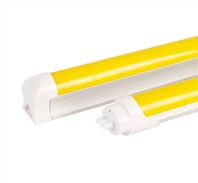
LED ceiling lights that can be dimmed are revolutionizing the inside lighting industry by providing control and efficiency.
The appropriate lighting can completely change the appearance of a space. A sterile workplace may be transformed into a warm and inviting working, a dreary kitchen can be transformed into a bright culinary hub, and a busy living room can be transformed into a peaceful hideaway for a movie night. To achieve this adaptability, however, required juggling many fixtures, harsh fluorescent lights, or cumbersome incandescent dimmers that wasted energy and failed to offer smooth, adaptable light. This was the case for decades. Enter the dimmable LED ceiling light, a contemporary solution that combines energy economy, long-lasting performance, and precise light control, therefore revolutionizing the way in which we illuminate our homes and places of business. To demonstrate that great lighting is about more than just brightness, these fixtures are not simply "lights"; rather, they are instruments that adapt to our moods, jobs, and daily rhythms. This demonstrates that great lighting is about control.
To have a better understanding of the influence that dimmable LED ceiling lights have, let's first analyze the constraints that are associated with conventional lighting. Incandescent bulbs, which were originally the standard, had the ability to dim, but they did so at a hefty cost. They turned the majority of the energy into heat rather than light, they burnt out rapidly (usually lasting one thousand hours), and they dimmed unevenly, frequently flickering or buzzing at lower settings. Although they were more energy efficient, fluorescent lights were rarely dimmable, they produced a harsh, cool-toned light, and they contained hazardous mercury, which made disposal a troublesome process. LEDs that were not dimmable in the beginning were able to tackle certain problems, such as being energy-efficient and long-lasting, but they lacked flexibility. The morning rituals that require strong, stimulating light, the afternoon labor that demands concentrated lighting, and the evening leisure that asks for a gentle, warm glow could not be accommodated by a single brightness level. This gap is bridged by dimmable LED ceiling lights, which combine the efficiency of LEDs with the versatility of dimming to produce a lighting solution that is suitable for any time of the day.
LED ceiling lights that can be dimmed are powered by cutting-edge technology that offers a smooth and accurate control over the amount of light that is produced. Dimmable LEDs, in contrast to incandescents, which dull illumination by decreasing the amount of electrical current flowing through the bulb (a process that consumes energy and shortens the bulb's lifespan), make use of advanced circuitry to modify the level of light intensity without compromising efficiency. To prevent flickering, buzzing, or unexpected jumps in brightness, the majority of contemporary models are compatible with either TRIAC dimmers, which are typically found in older homes, or LED-specific dimmers, which interact digitally with one another. Because this digital control enables a large dimming range-from 10% to 100% brightness in many cases-you are able to adjust the light to a delicate glow for a dinner party or turn it up to full power for cleaning or creating. This gives you the flexibility to choose according to your needs. There are even high-end variants that enable dimming from 0 to 10 volts, which offers even more precise control. This makes them excellent for commercial settings such as hotels and restaurants, where the atmosphere is quite important.
In addition to its ease, this technology offers a number of other advantages. Ceiling lights that are dimmable using LEDs are substantially more energy-efficient than dimmable solutions that are traditionally available. They consume around fifty percent less energy than when they are operating at full power, which is a striking contrast to incandescents, which save very little energy when they are dimmed since they continue to generate a significant amount of heat under dimmed conditions. After some time has passed, this efficiency will result in decreased electricity bills: a single dimmable LED bulb consumes between 75 and 80 percent less energy than an identical incandescent light, and the savings will increase as the lamp is dimmed. When compared to a dimmable 60-watt incandescent light, which consumes 87.6 kWh annually, a 15-watt dimmable LED ceiling light that is used four hours per day at a brightness of seventy percent spends just 37.8 kWh. This represents a reduction in energy consumption of more than fifty percent. Dimming LED lights, which already have a lifespan of 25,000-50,000 hours (25-50 times longer than incandescents), not only enhances their lifespan but also makes them more durable. When you minimize the amount of light that is produced, you lessen the amount of stress that is placed on the LED components. This further delays the need for replacements and reduces the expenses of long-term maintenance.
Dimmable LED ceiling lights are not only efficient, but they are also excellent at generating atmosphere, which is an essential component in making places seem inviting and useful. There is a clear correlation between the intensity of light and one's mood. Bright light elevates alertness and productivity, making it a great choice for kitchens, home offices, and bathrooms. On the other hand, softer light induces relaxation, making it an ideal choice for bedrooms, living rooms, and dining spaces. This intensity may be adjusted to suit the occasion with the use of dimmable LEDs. Imagine that you are the host of a dinner party. To create an intimate ambiance, begin with strong light for preparing the food, and then gradually dim it to a warm thirty percent as the guests arrive. Or, if you are working from home, you can lessen eye strain by turning the light down to fifty percent when you are making video calls and turning it up to one hundred percent when you are reading reports. Adjustable color temperatures are available for many dimmable LED ceiling lights. These color temperatures range from cold white (5000K-6500K) for stimulating environments to warm white (2700K-3000K) for comforting settings, offering an additional layer of personalization to the lighting fixture. Through the utilization of dimming and color control, a single fixture may be transformed into a multifunctional instrument that can be adapted to your way of life.
A wide range of styles are available for dimmable LED ceiling lights, making them suitable for any room. These designs range from sleek and contemporary panels to traditional flush installations and elaborate chandeliers. Dimmable LEDs that are flush-mounted are ideal for installation in areas with low ceilings since they distribute light evenly without hanging down. Because of their basic appearance, recessed dimmable LEDs, which are fitted into ceiling cavities, are an excellent choice for living rooms, hallways, and kitchens that are looking to achieve a clean aesthetic. Typically measuring 2x2 or 2x4 feet in size, dimmable LED panel lights are designed to provide equal brightness over the ceiling in bigger spaces such as open-concept living rooms or workplaces. These lights also include dimming capabilities that allow you to alter the light intensity throughout the whole room with just a single switch. It is now possible to get dimmable LED technology in ornamental fixtures such as pendant lights or semi-flush mounts, demonstrating that you do not have to compromise on appearance in order to achieve functionality. It doesn't matter if your interior design is modern, classic, or industrial; there is a dimmable LED ceiling light that will help you get the desired effect while also improving the functionality of the room.
When looking for dimmable LED ceiling lights, there are a few crucial elements that guarantee you will receive the greatest performance possible. First things first, make sure that the dimmer switch you already have is compatible. It is possible that older TRIAC dimmers are compatible with some LEDs; however, this may result in flickering or a limited dimming range. If you are not changing the switch, you should seek for lights that are branded as "TRIAC-compatible." By upgrading to a dimmer that is developed specifically for LEDs, you may get ideal performance. This type of dimmer is intended to interact with the low-voltage electronics of LEDs, which guarantees a smooth dimming process from 100% to 1% without any problems. The second thing to take into consideration is the dimming range. The majority of high-quality lights have a dimming range that goes from 100% to 5-10%, but some high-end versions go as low as 1%, making them ideal for subtly illuminating corridors or bedrooms. The next step is to search for lights that have a high Color Rendering Index (CRI), preferably 80 or above. The color rendering index (CRI) is a measurement that determines how accurately light exposes colors. A high CRI guarantees that colors appear realistic even when the light is lowered, regardless of whether you are dining in warm light or working in cooler lighter tones.
Even though dimmable LED ceiling lights are simple to install and operate, there are a few things you should keep in mind to make the most of their benefits. If you are replacing an existing ceiling light, you should make sure that the electrical box is rated for the weight of the new fixture. Since dimmable LEDs are often lightweight, this situation is seldom a problem; nonetheless, it is still important to verify. For new installations, it is recommended to collaborate with an electrician to install a dimmer switch that is compatible with LEDs. This will avoid any compatibility issues that may arise. Experiment with different brightness settings for different jobs once the installation is complete. For example, you may use 70-100% for cooking or working, 30-50% for relaxing or entertaining, and 5-10% for nighttime navigation on your device. There are a lot of new dimmable LED ceiling lights that also interface with smart home systems. This gives you the ability to regulate the brightness of the lights using smartphone applications, voice requests (for example, "Alexa, dim the living room lights to 30%"), or even scheduled schedules that alter the light levels based on the time of day. The intelligent capability provides an additional level of convenience by enabling you to establish morning routines that gradually brighten the bedroom in order to gently wake you up, as well as evening routines that gradually decrease the lights as sleep draws near.
Similar to other types of technology, dimmable LED ceiling lights are subject to a number of fallacies that need to be dispelled. Dimming LEDs is associated with a reduction in their efficiency, which is a common fallacy. However, dimming LEDs actually results in a reduction in energy consumption, as was said before. When compared to non-dimmable LEDs, dimmable LEDs are much more expensive. However, the price difference between the two types of LEDs is very small (often between 10 and 20 percent), and the long-term savings on energy and replacements soon compensate for this expense. In addition, there are people who are concerned about flickering, however this is nearly often caused by unsuitable dimmer switches and not the LEDs themselves; selecting the appropriate dimmer prevents this problem from occurring. Last but not least, there is the misconception that dimmable LEDs are incapable of producing bright light. However, contemporary models create a significant amount of lumens. For example, a dimmable LED ceiling light that is 15-20W often delivers 1500-2000 lumens, which is similar to a 100W incandescent light bulb. This ensures that even big rooms remain bright when it is required.
The possibilities of dimmable LED ceiling lights are developing as a result of technological breakthroughs, which makes the future of these lights even more exciting. In order to provide customers with the ability to go from warm 2700K light in the evening to chilly 5000K light in the morning, researchers are working on producing "tunable white" LEDs. These LEDs enable for the brightness as well as the color temperature to be modified, allowing users to dim the light as required. According to research, these lights are able to boost sleep, happiness, and productivity because they mirror the daily fluctuations that occur in natural sunshine. Furthermore, energy efficiency is continuously being improved, and LEDs of the next generation are producing more lumens per watt, which contributes to an even greater reduction in energy consumption. Smart integration will also become more smooth, with dimmable LEDs synchronizing with sensors that alter brightness automatically based on natural light levels. This will allow for maximum energy savings without sacrificing comfort, with dimmable LEDs brightening on overcast days and reducing when sunshine streams through windows.
In a world where we are increasingly placing a premium on adaptability, efficiency, and the ability to personalize our surroundings, dimmable LED ceiling lights stand out as an improvement that is both straightforward and revolutionary. The standard lighting strategy, which is designed to be universally applicable, is replaced with a solution that can be adapted to meet our requirements, regardless of whether we are working, resting, entertaining, or sleeping. These lights not only lessen our impact on the environment but also improve our day-to-day lives by making every area more useful and attractive. They do this by combining energy savings, a long lifespan, and precise control. Investing in a dimmable LED ceiling light is an investment that will pay off in terms of comfort, convenience, and cost savings for many years to come. This is true whether you are remodeling your home, updating your office, or simply replacing an outdated fixture. When everything is said and done, excellent lighting should not only illuminate a space; rather, it should be able to mimic the way you live.