Replacing an HPS (High Pressure Sodium) lamp is straightforward but requires care due to high heat, voltage, and the fact that these lamps contain small amounts of mercury/sodium.
Safety First
Turn off power at the breaker or disconnect and lock it out if possible. Confirm power is off.
Allow the lamp and fixture to cool completely (at least 15–30 minutes; they run extremely hot).
Wear safety glasses and gloves (cotton gloves preferred so skin oils don't leave residue on the glass, which can create hot spots).
Work on a stable ladder/platform. For outdoor/street fixtures, consider weather and traffic.
Match the replacement lamp exactly in wattage, voltage, and base type (e.g., mogul base, medium base, or double-ended/DE). Using the wrong lamp can damage the ballast.
Replace burned-out HPS lamps promptly-leaving a failed lamp in place can damage the ballast over time.
General Steps for Most Screw-Base HPS Fixtures (street lights, security lights, industrial fixtures)
De-energize the fixture and let it cool.
Open the fixture (remove lens/cover or door-usually held by screws, latches, or clips). Note any aiming angles if it's an adjustable floodlight so you can restore them later.
Unscrew the old lamp counterclockwise. It may be tight; use steady pressure. Avoid forcing it or breaking the glass.
Inspect the socket and fixture interior. Clean dust or debris if needed (use a dry or slightly damp cloth; avoid abrasives).
Handle the new lamp only by the base or with clean gloves. Screw it in clockwise firmly and completely until snug-do not overtighten.
Clean the lens/cover if dirty, then close and secure the fixture properly (ensure gaskets seal well for outdoor units).
Restore power and test. HPS lamps take a few minutes to warm up to full brightness.
Double-Ended (DE) HPS Lamps (common in grow lights)
Power off and cool down.
Open the reflector/fixture.
Release the spring-loaded or hinged lamp holders at both ends.
Remove the old lamp carefully (note the orientation-many DE lamps have a preferred direction).
Insert the new lamp fully into both holders and lock them closed securely. A loose connection can cause arcing.
Close the fixture and restore power.
Additional Tips
Ballast considerations: The existing magnetic or electronic ballast must be compatible with the new HPS lamp. If the lamp cycles on/off repeatedly near end of life, replace it. Persistent problems may indicate a failing ballast, capacitor, or ignitor.
Lifespan: Typical useful life is roughly 10,000–24,000 hours depending on the lamp and application. Output declines over time (roughly 1% per 1,000 hours in some horticultural uses), so proactive replacement is common in grow setups.
Disposal: Do not throw HPS lamps in regular trash. They contain hazardous materials-recycle them through proper channels (many hardware stores or municipal programs accept HID lamps).
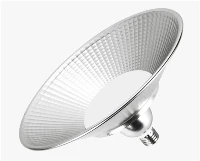
LED conversion: Many people replace HPS with LED retrofit bulbs or complete fixtures for lower energy use, instant-on, better color, and longer life. Direct plug-and-play LED replacements exist for some bases, but others require bypassing/removing the ballast-follow the LED manufacturer's instructions carefully. 100W LED Lamp can replace 250W HPS Lamp , 200W LED Lamp can replace 500W HPS Lamp ,
If your fixture is a specific model (street light, grow light brand, wattage, etc.), check the manufacturer's manual for exact procedures. For complex or high-voltage commercial installations, hire a qualified electrician. you can see more information on http://www.benweilight.com