Plants need light. It's a simple but accurate remark. Yet, the situation is a little more complex than that. Although light is required to provide the energy required for growth and blossoming, the need for light transcends a simple yes or no decision. Getting too much light can harm your plant just as much as not enough would.
Moreover, "too much light" has many names. A plant may get too much light if it is exposed to it for an extended period of time. For certain plants, prolonged exposure to light may be harmful and even stunt their development. To maintain the balance between their metabolic and flowering stages, plants need periods of both light and darkness. These rhythms are upset when they get too much light. Although some plants need less shade than others, an excessive amount of light can eventually interfere with any development timetable.
The phrase "too much light" may also be used to describe the brightness. Some plants thrive in intense, direct light, but it will harm others (or even kill others). Since the plant can't transform all of the light's energy into usable form, the extra heat eventually becomes a problem. A lack of moisture is also produced because the plant could utilise the available water to cool itself. The plant experiences both excessive heat and dehydration, and the soil dries up.
Causes
A little knowledge may help plant parents from placing their plants in perilous circumstances. Plants acquire too much light for a variety of reasons. The extra light is often an unintended phenomenon. Individuals just don't understand a certain plant's requirements and put it in the incorrect part of a living space. The secret to keeping your plant alive and growing is understanding what circumstances stimulate healthy development, whether a plant need direct or indirect light, minimum exposure as compared to a more continuous schedule.
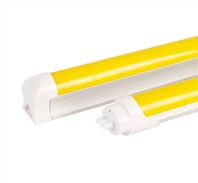
In other cases, bad choices or incomplete information might lead to excessive light exposure. To promote a growth spurt, placing a plant in direct or prolonged light will often have the opposite effect and hurt your plant. Conventional LED lights don't provide plants with the same advantages that they provide for humans and don't encourage the same development patterns as other types of light. And although utilizing a grow light might be advantageous, doing it poorly or placing it too near to plants can cause them to burn.
These instances may significantly hurt a plant instead of helping it by using more light to keep it healthy.
It's crucial to understand what occurs if a plant doesn't get enough light and what happens if they do. They sometimes just won't develop as quickly when their cycle is disturbed. But, in many others, they might sustain significant harm or die away. With care given to ensure they are positioned in an environment that can suit their demands, it is important to take into account each plant's sensitivity to low, moderate, or high light.
Signs of excessive lights
Thankfully, your plant will alert you if it receives too much light, and often you will have enough time to make the necessary adjustments.
Plant sections exposed to too much light can manifest health ailments. Before any changes in color, you can see the leaves droop. Then, even if the veins are still green and seem healthy, pale or brown blotches or fading leaves may appear. It's possible that browning of the leaf tips and dry patches may also become noticeable. Younger examples often wilt, and as the exposure increases, many plants curl downward and their development slows. Even if you don't check on your plant every day, you will eventually pick up on these symptoms.
Solutions
Taking your plant out of the hazardous area is the obvious answer, but there are other options as well. When the seasons change, it's crucial to pay attention to how the light in a space changes. During various seasons of the year, the amount of light coming from a certain window might increase, making an area that was formerly safe for a plant potentially dangerous. Moving the plant to a different section of the room or to another room altogether may be necessary to ensure that its lighting requirements are satisfied while also protecting it from excessive light. The ideal course of action will be determined by the particular kind of plant and the design of your house.
Lastly, merely being aware of your plant's requirements before a problem occurs may help you prevent overexposing it. When selecting a new plant for your house, be aware of the kind of lighting it requires and place it there right away. Moreover, you might choose a plant that complements the existing lighting if you have a spot in your house that would benefit greatly from one. Whether you choose a location based on the plant or vice versa, being aware of the requirements can help you prevent issues down the road and may even help preserve the plant.
Further Help
You shouldn't feel pressured to know every solution. Luckily, you are acquainted with those who are. The professionals at PLANTZ have been finding the ideal plant for the right person for decades. We can assist you whether you want suggestions on how to maintain a certain plant or how to brighten up a particular area of your house. Use our contact page to get in touch and start a discussion.