LED Lighting Introduction: Benefits and Examples in 2025
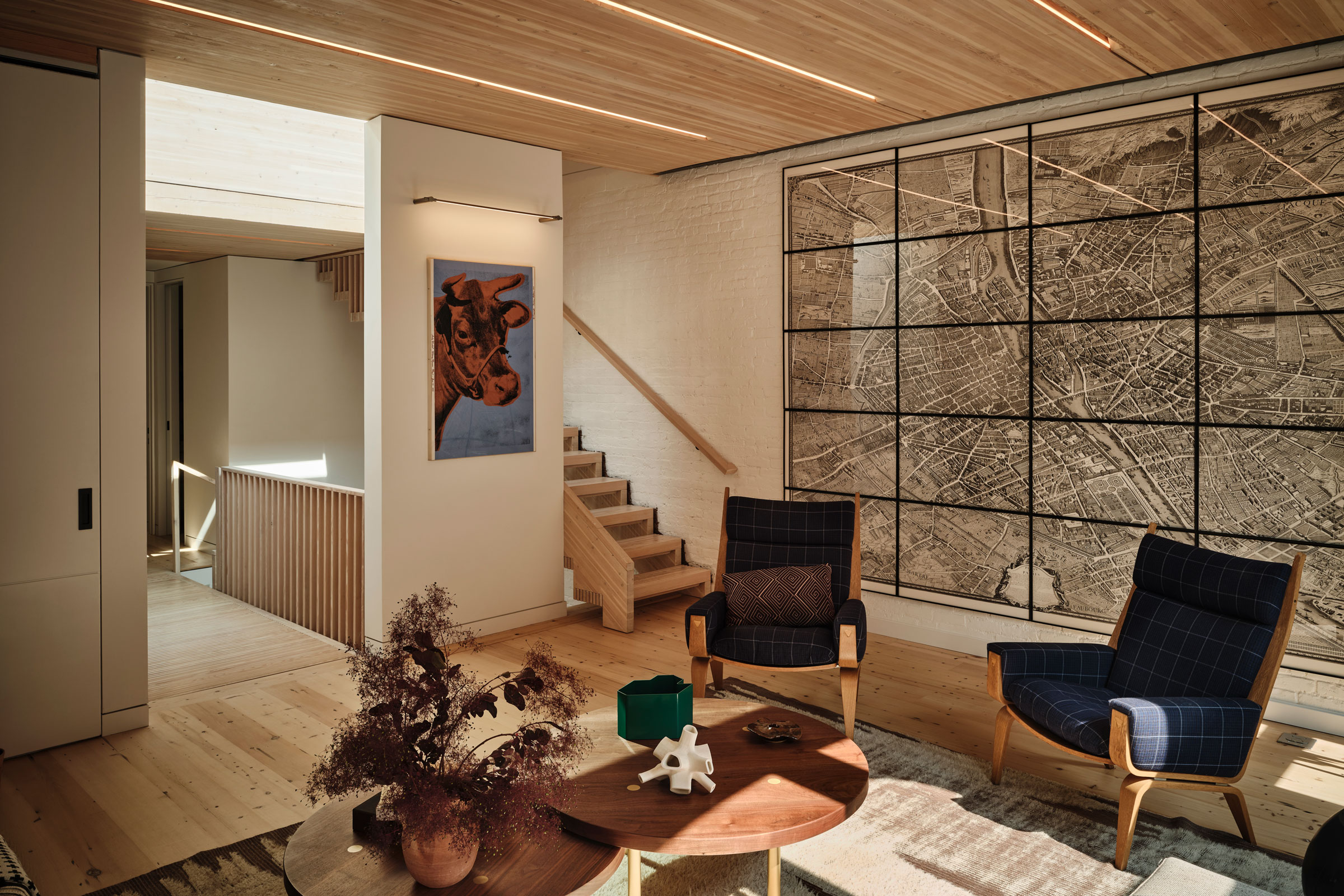
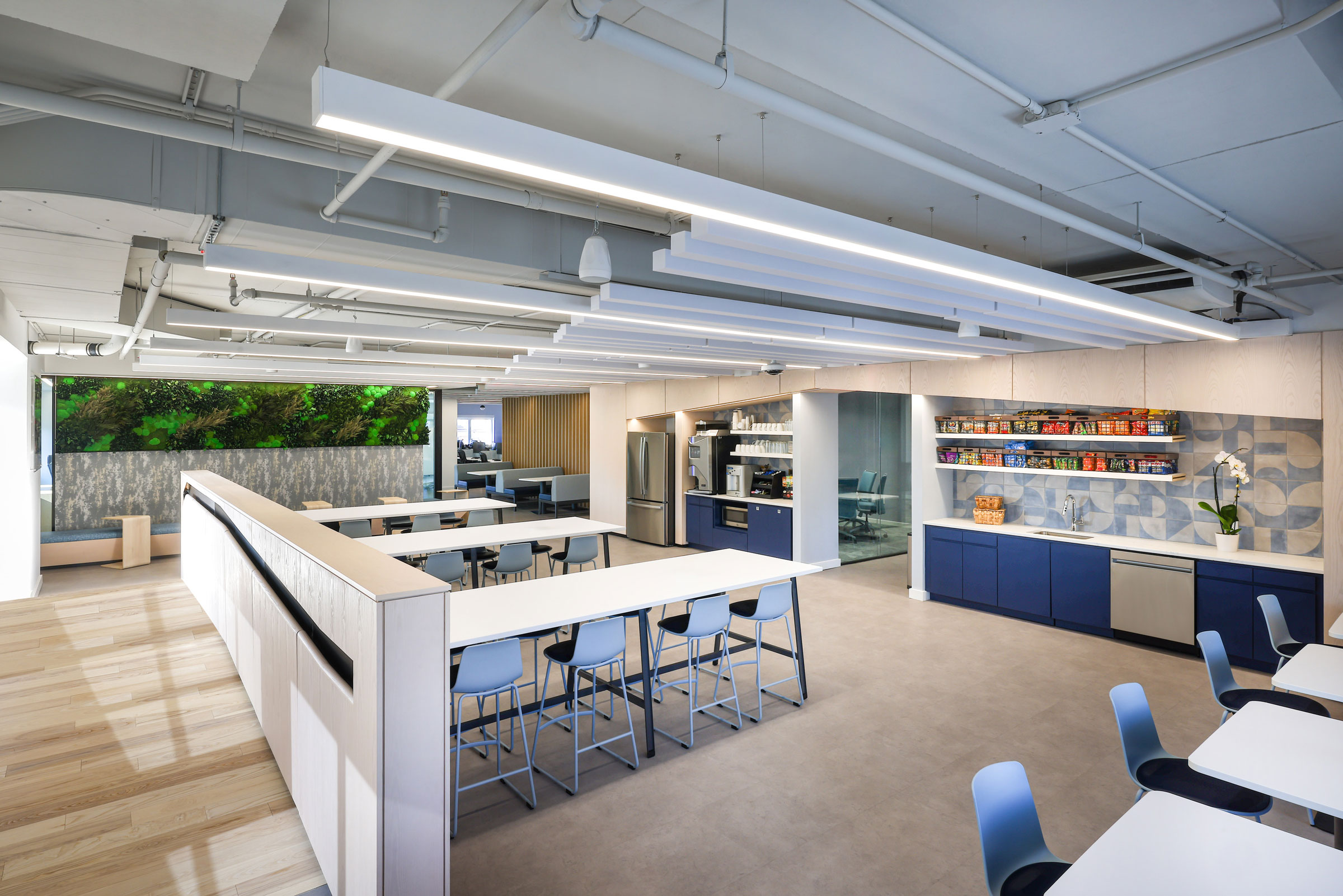
This gathering space inside Amicus Therapeutics' headquarters includes a preserved plant wall, LED lighting, acoustical baffles, and natural wood flooring throughout the space. Photo by Chris Lo Bue Photography.
Story at a glance:
LED lights have been gaining steady popularity over the past few years.
LED lighting uses far less energy in comparison to incandescent and CFL bulbs.
Compared to other lighting options, LED lights offer flexibility, emit light directionally, can be dimmed, and are constantly advancing.
The technology that powers LED lighting has existed for decades, yet it's only recently that it has become affordable and reliable enough to gain such dramatic popularity. Ranging from energy efficiency to a long service life, LED lights are both eco-friendly and cost-effective.
As stated by the U.S. Department of Energy, light-emitting diodes – commonly known as LEDs – are a solid-state lighting option that utilises a semiconductor to turn electricity into light. This means, unlike traditional lighting, LED lights don't need a fragile glass bulb.
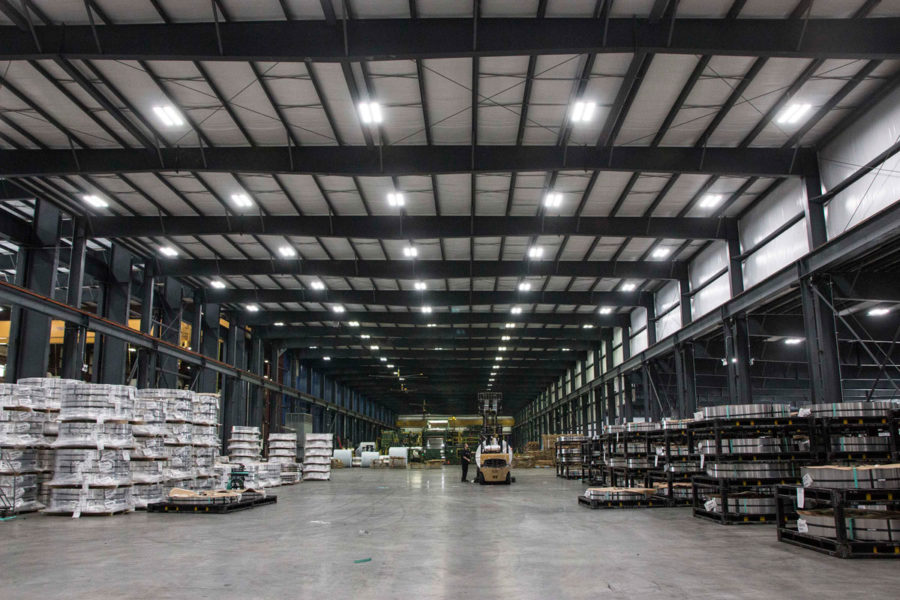
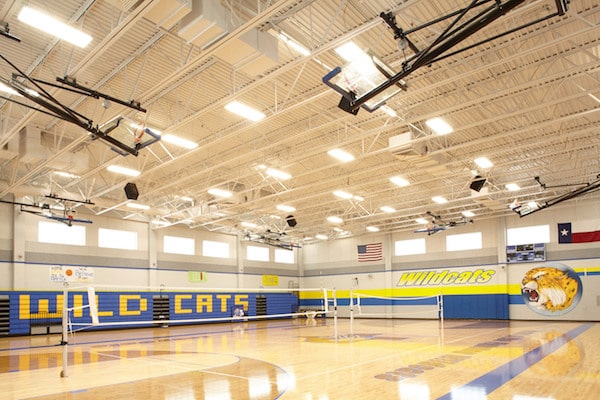
Plus, LED lights can be used anywhere – from sports arenas to industrial settings to residential projects. They perform reliably and safely in various design applications.
What is LED lighting?
LED is short for 'light-emitting diode'. According to energystar.gov, LED lighting products generate light with up to 90% greater efficiency than incandescent light bulbs.
LED lights operate by sending an electrical current through a microchip, which lights up the tiny light sources we refer to as LEDs – and these rarely burn out.
The first LEDs were developed in the 1920s and have evolved into the lights we recognise today; they do not "burn out" or stop working. White LEDs designed for residential use entered the market in the early 2000s and soon grew popular in schools, offices, and healthcare settings as well. By 2019, LED lighting had become the most widely used lighting source, as designers continued phasing out halogen and fluorescent lighting.
Common Areas to Use LED Lights
LED lighting can be applied to any area in a residential project. Numerous designers and homeowners are opting for LEDs to create a specific atmosphere in a space while also providing additional light. Below are just a few of the areas where LEDs are being used:
Under cabinets: LED strip lighting is favoured under cabinets and in other spaces that tend to be dark – it not only delivers better lighting above countertop areas but also adds a sense of luxury, similar to that of a showroom.
Inside shelves: Lighting installed in shelves brings brightness and cosiness to dim offices or helps you locate that hard-to-find book.
In the bathroom: LEDs are popularly used around vanities and mirrors.
Dim hallways: Illuminate dark hallways or staircases with LEDs.
Behind the TV: Incorporate colour and light to set the mood in the bedroom or living room.
LED Lights Types
A wide range of LED lighting options are available today – whether you want to pick an LED light strip, a light in a playful shape, or one with a specific vivid colour. Per GE, LED bulbs themselves fall into four main categories: A-shape, reflectors, decorative, and speciality.
A-Shape
A-shape LEDs are the most widespread and frequently seen in homes. They have a conical design and emit a more distinct light beam. These LEDs fit easily into most lamps and are commonly used there or in any spot where you'd typically find a traditional light bulb. Philips notes that they provide full brightness the moment you turn them on, making them ideal for decorative and ambient lighting in retail stores, hotels, restaurants, multi-family residences, and government buildings.
Reflectors
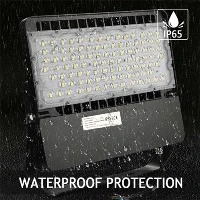
Reflectors are often used for outdoor lighting and are commonly referred to as floodlights or spotlights.
True to their name, reflectors are defined by the LED reflectors placed over the LEDs to adjust the light beam. RS Online states that they're an economical and easy-to-use option for many areas, though they don't offer as much control as LED lenses do.
Decorative
Decorative LEDs can add vitality and character to wall sconces, chandeliers, or nearly any fixture with exposed bulbs. These LEDs are often smaller to fit inside fixtures, but designers can find them in a broad range of styles – whether you're after a classic globe look or a vintage feel.
Specialty
'Speciality LED lighting' is a catch-all term for the remaining, more unique types of light. This category includes everything from antique-style bulbs to lighting designed for highly specific fixtures.
How Do LEDs Compare to Other Lighting Options?
Before we examine some of their advantages, let's take a moment to explore how LEDs stack up against other common lighting options – specifically incandescent, halogen, and fluorescent bulbs.
LED vs Incandescent
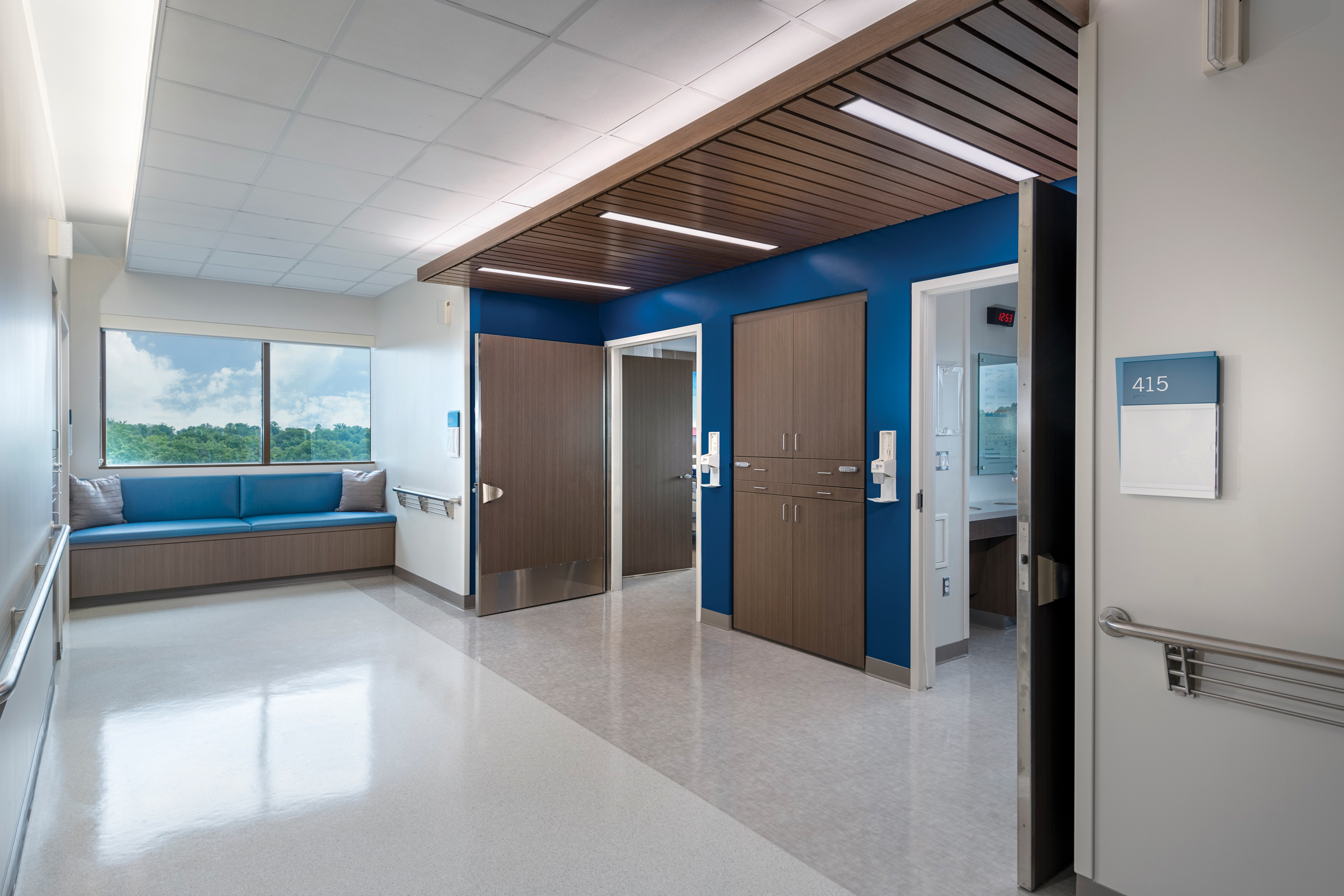
Per energy.gov, LEDs consume no less than 75% less energy and have a lifespan 25 times longer than incandescent lighting, and in most instances, they also provide superior lighting control and design flexibility.
LED lighting enables an architect's design to be the focal point, either blending seamlessly into the space or highlighting specific elements. "The top lighting tools are those an architect can use to showcase the architecture, rather than the lighting product itself," Dan Kohnen, director of commercialisation at H.E. Williams, told gb&d in a prior article. Kohnen has been with H.E. Williams – a lighting company with over a century of history – since 1999 and has witnessed the design industry evolve to integrate more LED lighting and human-centred design.
Incandescent lights are cheaper than LED lights, but they require more frequent replacement – and it's becoming harder and harder to find replacements. This is because, due to updates to the DOE's minimum efficiency standards, the production and sale of incandescent lights (specifically those that produce fewer than 45 lumens per watt) were banned in 2023.
Halogen vs LED
Halogen lights may deliver appealing colour, but they have a short lifespan – on average, they last 2,000 to 4,000 hours before needing replacement. Compared to traditional incandescent bulbs, this lifespan is a notable improvement, yet it still lags far behind the 50,000 to 100,000 hours that most LEDs typically last.
Besides their shorter lifespan, halogen bulbs also waste considerably more energy as heat than LEDs. Most halogen bulbs turn 80% to 90% of their energy into heat, whereas LEDs convert only around 5% of their energy into heat. Just like incandescent bulbs, this low energy efficiency led to a nationwide ban on the production and sale of most halogen bulbs in 2023.
LED vs Fluorescent Bulbs
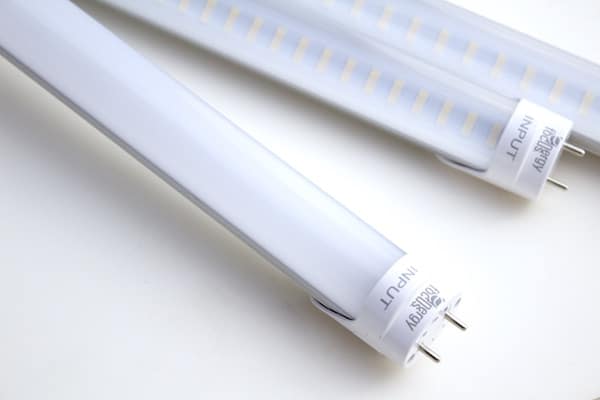
As perhaps the closest to LEDs in terms of energy efficiency, fluorescent bulbs have long served as the go-to lighting option for spaces like offices, schools, warehouses, and garages – and they remain common in these areas even today.
Fluorescent bulbs fall into two basic categories: compact fluorescent bulbs and linear fluorescent bulbs.
LED vs Compact Fluorescent
Compact fluorescent bulbs, or CFLs for short, are a kind of energy-saving lighting option that depend on gas reactions to generate visible light. CFLs come with a folded tube holding a mixture of argon and mercury vapour, and the inner wall of this tube is covered with a thin layer of fluorescent paint. When the light is turned on, the CFL's internal ballast system sends an electric current through the tube to energise the gases and create ultraviolet light. The fluorescent paint coating then absorbs these UV rays and releases visible light through the tube's glass casing.
CFLs are considered relatively efficient: they consume 70% less energy and give off 70% less heat than incandescent bulbs. With an average lifespan of 10,000 to 15,000 hours, CFLs outperform most incandescent bulbs (which usually last around 1,000 hours) by a large margin – but once again, they fall behind most LEDs.
Thanks to updated minimum efficiency standards, CFLs are set to be banned, and in some states, this ban has already taken effect.
LED vs Linear Fluorescent
Linear fluorescent bulbs work in functionally the same way as CFLs, with differences only in shape: unlike the traditional oblong bulb or twisted-tube design of CFLs, linear fluorescent lights come in the form of long tubes. Linear fluorescent lights use the same amount of energy as CFLs, but their lifespan is far more variable, ranging from 6,000 to 60,000 hours. This means technically, they can last just as long as some LEDs. Their manufacturing process, operating conditions, and the type of control circuit they employ mostly cause this variability.
Similar to CFLs, some states, specifically Vermont and California, are banning certain linear fluorescent bulbs.
How Do LED Lights Work?
LEDs are essentially small light bulbs that can be integrated into an electrical circuit. Unlike incandescent bulbs, they don't have fragile filaments that burn out, and they don't get extremely hot. They also consume less energy, which lowers the cost of electricity bills.
LED lights produce illumination through the movement of electrons in a semiconductor material. As How Stuff Works explains, a semiconductor consists of a positively charged component and a negatively charged component. The positive layer has gaps for electrons, while the negative layer contains free electrons that float around. When an electric charge hits the semiconductor, it triggers the flow of electrons from the negative layer to the positive layer. These energised electrons emit light as they move into the positively charged gaps.
18 Benefits of LED Lights
LED lights offer numerous benefits, ranging from helping homeowners save money over the long term to delivering brighter light in a variety of colours. These are just a few of the key advantages of LED lights.
1. Energy-Efficient
LED lights offer numerous benefits, ranging from helping homeowners save money over the long term to delivering brighter light in a variety of colours. These are just a few of the key advantages of LED lights.
2. Long Lifespan
LEDs use dramatically fewer watts than traditional bulbs to produce bright light, which means they also last much, much longer.
Most LEDs last a minimum of 25,000 hours, according to NOPEC – a non-profit energy supplier in Northeast Ohio – but some boast lifespans between 50,000 and 100,000 hours. NOPEC says that if you were to keep your LED bulb on all day, every day, it would be about 15 years before you'd have to replace it.
3. Return on Investment
As LEDs grow more widespread, both individuals and the U.S. as a whole will see substantial energy savings. The U.S. Department of Energy states, "Switching entirely to LED lights over the next two decades could save the U.S. $250 billion in energy costs, cut electricity consumption for lighting by nearly 50%, and prevent 1.8 billion metric tonnes of carbon emissions."
In 2016, E3 used Energy Focus LED lights to retrofit the Big Sandy Independent School District in Eastern Texas. "Cost was a key factor for Big Sandy. Each LED lamp uses 15 to 18 watts, compared to the 32 to 36 watts per lamp of fluorescent lights. This saves the school district money and delivers a strong return on investment," Tim Evans, vice president of E3, told gb&d.
4. Low Radiant Heat
One of the benefits of LED lighting is that it emits very little heat – especially when compared to CFL and incandescent lights. Per the U.S. Department of Energy, incandescent bulbs release 90% of their energy as heat, while CFLs release roughly 80% of their energy as heat – far more than LEDs. This makes LED lights less risky, particularly when it comes to fire safety.
Robert Pullman, a lighting industry veteran with over 30 years of experience across all aspects of the field, notes that another exciting new advancement in LED physics is the idea of running LEDs in reverse to generate a cooling effect. Pullman previously shared some of his expertise with gb&d. "Recently, it was shown that if you run LEDs backward – instead of them doing nothing, as one might expect from a diode – you achieve a very short-range cooling effect, around 6 watts per square metre (W/m²)," he explains.
"Projections estimate that cooling capacity could reach around 1000 W/m² in the future. This could be accomplished by using the LEDs themselves to draw heat away from processors, which would open up opportunities to enhance heat performance in wearables, mobile devices, and more," Pullman adds.
5. Bright, Intense Light
LEDs don't give up brightness or intensity to achieve energy efficiency. They match incandescent and CFL bulbs when it comes to brightness, which makes them an excellent choice for workspaces where bright light helps boost productivity.
6. Instantaneous Light
Unlike fluorescent or incandescent lights, LED light fixtures have no strike delay. This means that as soon as the switch is flipped, LED lights will turn on to full brightness rather than gradually getting brighter over time. While not the most impressive of advantages, this lack of strike delay is still a convenient quality that makes LEDs incredibly useful in environments that may be unsafe in momentarily low-lit conditions.
7. Design Flexibility
The structure of LED lights enables them to be used both functionally and artistically. In spaces of all types, LED lights provide design flexibility. At Yotel NYC, Focus Lighting employed LED lights in a variety of applications-from pin spotlights and floor lamps to illuminated ceiling panels- to align with the hotel's distinct brand identity.
In the Broadway Lounge of the New York Marriott Marquis, Tivoli created two 15-foot light "trees", with branches extending from 21 feet to over 46 feet, using a delicate inlay of linear light.
8. High Color Rendering Index
Many LED lighting options boast a very high Colour Rendering Index (CRI) – a feature that means they bring out the true colour of whatever they light up.
Philips, one of the top LED lighting companies, produces LED lights with a CRI of at least 80, while natural light has a CRI of 100. This comes in handy for home consumers, for instance, letting them tell how their outfit will look once they step outside.
The high CRI of LEDs also proves useful in broadcasts: bright, colour-accurate light ensures nighttime sports games look vivid and lifelike, even when viewed on television.
9. Lighting Controls
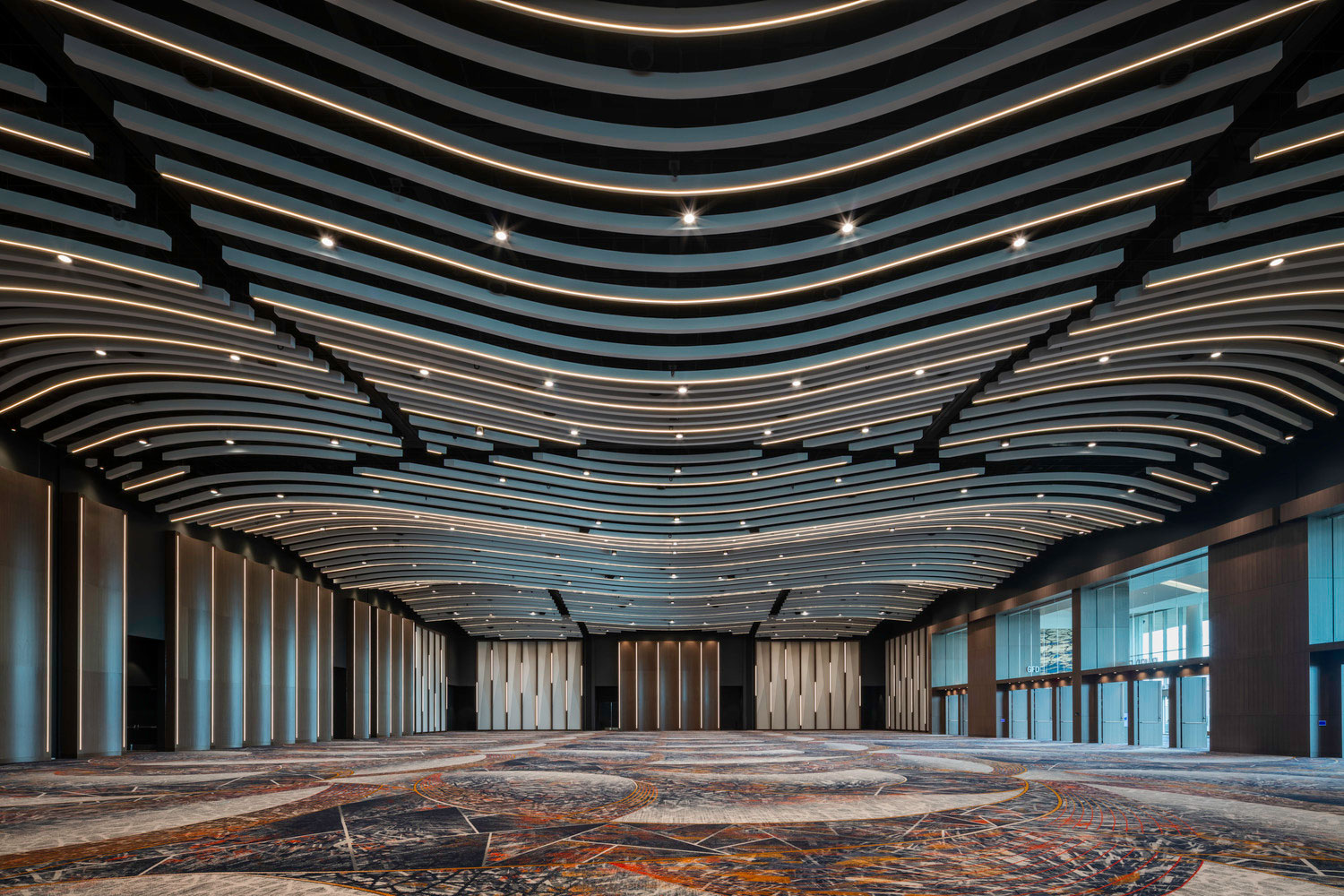
One of the most convenient features of LED lights is the high level of control they provide over elements like brightness. Many LEDs are compatible with dimmers – a trait they share with incandescent and CFL bulbs – and this characteristic boosts energy savings and lets the light adjust to meet a space's needs throughout the day.
Beyond enhanced brightness control, LEDs can also be integrated into whole-building lighting control systems or fitted with sensors that enable them to adapt to factors such as natural daylight and room occupancy, further maximising energy efficiency. TVS Architecture and Interior Design leveraged this capability when designing the Baird Center expansion, which uses an ETC control system developed by Enterprise Lighting & Control to manage all lighting fixtures effectively.
Centred around ETC's Unison Paradigm lighting control suite, the Baird Center's LED lighting system allows users to control exhibit hall lights via wall-mounted Paradigm Touchscreens. Meanwhile, a central Virtual Touchscreen (VTS) in the building's control room offers an even more detailed level of control. "The VTS lets them select individual lights in the exhibit hall, dim them, and set levels for events. It has multi-level control, quadrant control for each level, and individual fixture control too," shares Bryan Palmer, manager of controls and
Lighting applications for enterprise. "It gives them a lot of flexibility, and the exhibit team found that really exciting."
The high degree of control that LEDs offer makes them an ideal choice for spaces – such as offices, educational institutions, and healthcare facilities – that need to cater to a wide range of user preferences.
10. Directional Light
By their very nature, LEDs emit light in one direction instead of all around them.
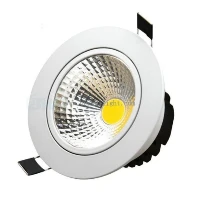
This 180-degree illumination allows the light to be more precise and useful-perfect for recessed and task lighting- and contributes to energy savings because no light energy is wasted or trapped.
11. Range of Colors
One of the most convenient features of LED lights is the high level of control they provide over elements like brightness. Many LEDs are compatible with dimmers – a trait they share with incandescent and CFL bulbs – and this characteristic not only boosts energy savings but also lets the light adjust to meet a space's needs throughout the day.
\ Beyond enhanced brightness control, LEDs can also be integrated into whole-building lighting control systems or fitted with sensors that enable them to adapt to factors such as natural daylight and room occupancy, further maximising energy efficiency. TVS Architecture and Interior Design leveraged this capability when designing the Baird Center expansion, which uses an ETC control system developed by Enterprise Lighting & Control to manage all lighting fixtures effectively.
Centred around ETC's Unison Paradigm lighting control suite, the Baird Center's LED lighting system allows users to control the exhibit hall lights via wall-mounted Paradigm Touchscreens. Meanwhile, a central Virtual Touchscreen (VTS) in the building's control room offers an even more detailed level of control. "The VTS lets them select individual lights in the exhibit hall, dim them, and set levels for events. It has multi-level control, quadrant control for each level, and individual fixture control too," shares Bryan Palmer, manager of controls and lighting applications for Enterprise. "It gives them a lot of flexibility, and the exhibit team found that really exciting."
The high degree of control that LEDs offer makes them an ideal choice for spaces – such as offices, educational institutions, and healthcare facilities – that need to cater to a wide range of user preferences.
12. Sturdy
LEDs are highly durable, and this is largely because they use a semiconductor material – unlike incandescent and halogen bulbs, which rely on a filament (the very part that burns out), or fluorescent lights, which depend on high-voltage electrical components that often lead to their failure.
As the U.S. Department of Energy explains, the light-emitting diode itself is a tiny chip enclosed in plant-based epoxy. This design makes LEDs far sturdier than traditional incandescent bulbs, fluorescent bulbs, or neon tubes.
13. Great in Emergencies
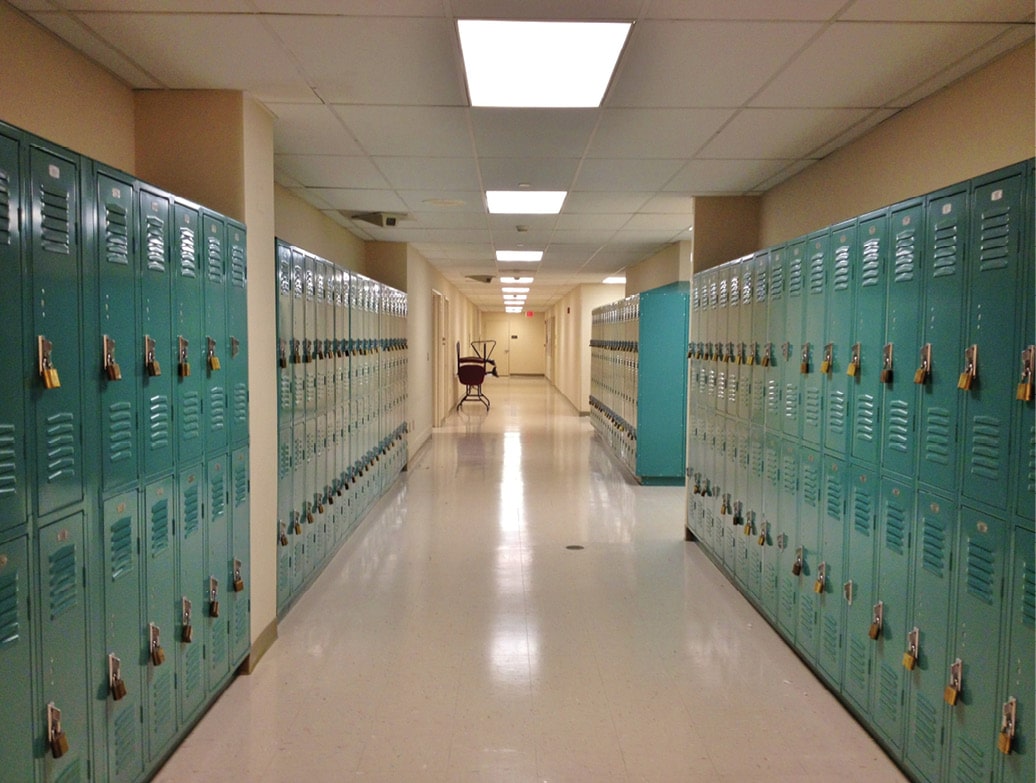
LED lighting is a great solution for emergency lighting because it provides bright light at low wattage and can last a very long time.
14. Environmentally Friendly
LEDs do not contain mercury like CFLs, and if their aluminum heat sinks are recycled, their life cycle impact can be noticeably reduced.
Overall their energy savings and basic construction allow LEDs to win the ticket for most environmentally friendly light, according to a three-part Energy Department-funded study.
Together, we make it better.
Shenzhen Benwei Lighting Technology Co., Ltd.
Mobile/WhatsApp: (+86)18673599565
Email: bwzm15@benweilighting.com
Skype: benweilight88
Web: www.benweilight.com
Add: F Building, Yuanfen Industrial Zone, Longhua, Bao'an District, Shenzhen, China