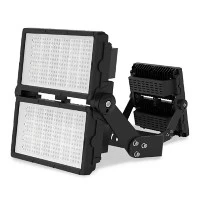
Plant LED Lamp: The Advantages of Full-Spectrum Plant-Growing Solar Lamps in Modern Cultivation
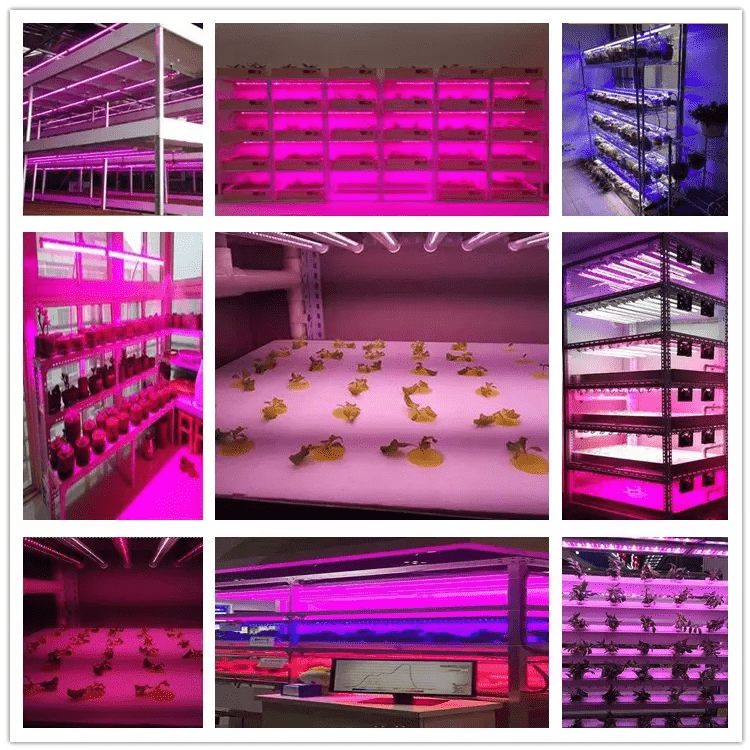
In the evolving landscape of indoor gardening, urban farming, and sustainable agriculture, the demand for efficient, eco-friendly lighting solutions has never been higher. Traditional plant-growing lamps often rely on grid electricity, consume excessive energy, or fail to deliver the complete light spectrum plants need to thrive. Enter the full-spectrum plant-growing solar lamp – an innovative combination of full-spectrum LED technology and solar power that addresses these pain points. This type of plant LED lamp harnesses renewable solar energy to power LEDs emitting a comprehensive spectrum of light, mimicking natural sunlight and supporting every stage of a plant's life cycle. From germination to flowering, full-spectrum solar-powered plant lamps offer a cost-effective, environmentally friendly alternative to conventional lighting. This article explores the science behind full-spectrum light, the benefits of solar integration, and how these lamps are transforming plant cultivation for home gardeners, commercial farmers, and sustainability enthusiasts alike.
Understanding Full Spectrum Plant LED Lamps: What Sets Them Apart
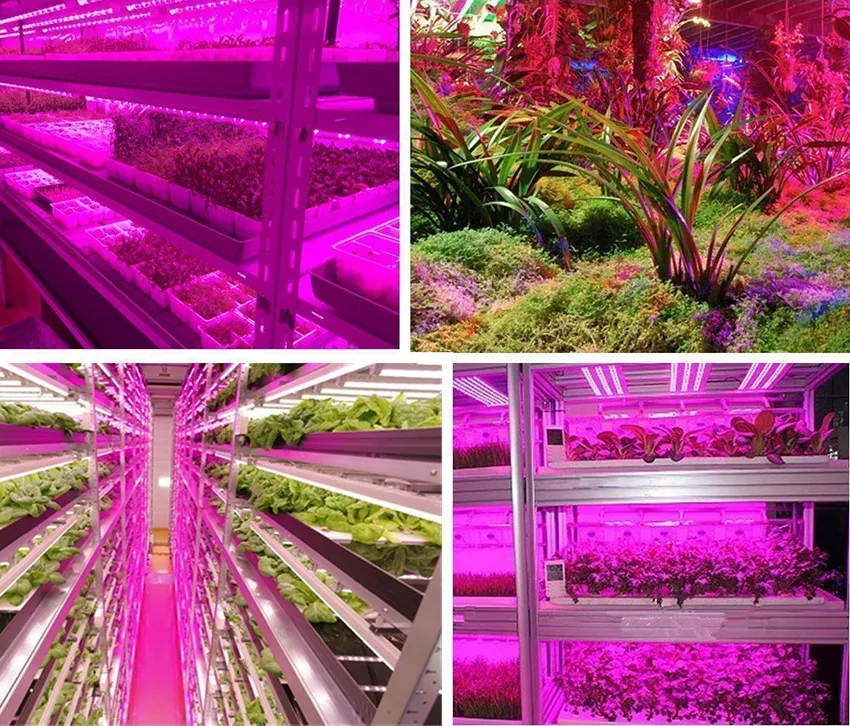
To appreciate the value of full-spectrum plant-growing solar lamps, it's first essential to understand what "full spectrum" means in the context of plant lighting. Unlike single-colour LEDs (e.g., red-only or blue-only) or even purple LEDs (which blend red and blue), full-spectrum LEDs emit light across the entire visible spectrum – from violet (400 nm) to red (700 nm) – and often include small amounts of ultraviolet (UV) and infrared (IR) light. This spectrum closely mirrors natural sunlight, which plants have evolved to use efficiently over millions of years.
The key advantage of full-spectrum light lies in its ability to support all aspects of plant growth, not just photosynthesis. While red and blue light are critical for driving photosynthesis (as chlorophyll a and b absorb these wavelengths most effectively), other wavelengths play vital roles too. For instance, green light (500–600 nm) was once thought to be useless to plants, but new research shows that it can get through thick leaves and help photosynthesis in areas that are not directly exposed to sunlight. UV light (380–400 nm) stimulates the production of secondary metabolites, such as antioxidants and essential oils, which enhance plant resilience to pests and diseases and improve the flavour and nutrient content of edible crops. IR light (700–800 nm) regulates plant growth cycles, promoting seed germination and flowering in certain species.
Full spectrum plant LED lamps, by delivering this complete range, eliminate the limitations of narrow-spectrum lighting. For instance, a full spectrum lamp can support a tomato plant from seedling to fruit harvest without the need to switch between different light sources. In contrast, a purple LED lamp, while effective for many stages, may lack the green light needed to support lower leaves or the UV light to boost fruit quality. This versatility makes full-spectrum lamps ideal for growers cultivating a variety of plants or those who want a "set-it-and-forget-it" lighting solution.
When paired with solar power, full-spectrum plant LED lamps become even more compelling. Solar panels capture sunlight during the day, converting it into electricity that is stored in batteries for use at night or during cloudy weather. This eliminates reliance on grid electricity, reducing energy costs and carbon emissions. For outdoor gardens, greenhouses, or off-grid growing operations, solar-powered full-spectrum lamps offer unparalleled flexibility – they can be installed anywhere with access to sunlight; no electrical wiring is required.
The Benefits of Solar Power Integration in Plant Growing Lamps
Solar power is a natural complement to full-spectrum plant LED lamps, as both technologies align with the goal of sustainable, efficient cultivation. The integration of solar panels and batteries into these lamps delivers a range of benefits that make them stand out from grid-powered alternatives.
1. Cost Savings and Energy Efficiency
One of the most significant advantages of solar-powered full-spectrum plant lamps is their long-term cost savings. While the upfront cost of a solar-powered system may be higher than a grid-powered lamp, the elimination of electricity bills quickly offsets this investment. Full spectrum LEDs are already highly energy-efficient – they consume up to 75% less energy than traditional HPS bulbs – and when powered by solar, they operate with near-zero ongoing costs. A home gardener using a 50W full-spectrum solar plant lamp, for example, can save approximately \(50–\)80 per year on electricity compared to a grid-powered 50W HPS bulb. For commercial farms with hundreds of lamps, these savings can run into the thousands of dollars annually.
Solar-powered lamps also require minimal maintenance. Solar panels have a lifespan of 25–30 years, and LED bulbs last 50,000+ hours – far longer than HPS bulbs (10,000–15,000 hours) or fluorescent tubes (6,000–10,000 hours). This reduces the need for frequent bulb replacements and maintenance, further lowering long-term costs.
2. Environmental Sustainability
In an era of growing concern about climate change, solar-powered full-spectrum plant lamps offer a way to reduce the carbon footprint of cultivation. Grid electricity is often generated from fossil fuels, which release greenhouse gases into the atmosphere. By using renewable solar energy, these lamps operate with zero direct emissions. A study by the International Energy Agency (IEA) found that solar-powered LED lighting reduces carbon emissions by up to 80% compared to grid-powered HPS lighting for plant cultivation.
For urban farmers and indoor gardeners, this sustainability factor is particularly appealing. Many consumers today prioritise "eco-friendly" products, and using solar-powered lamps allows growers to market their crops as sustainably produced. Additionally, solar-powered lamps reduce reliance on non-renewable energy sources, contributing to a more resilient and sustainable food system.
3. Flexibility and Off-Grid Capability
Solar-powered full-spectrum plant lamps are not limited by access to electrical outlets, making them ideal for a wide range of growing environments. Outdoor gardens, rooftop farms, and remote greenhouses can all benefit from these lamps – they can be installed in areas where running electrical wiring is impractical or expensive. For example, a small-scale farmer in a rural area without reliable grid access can use solar-powered lamps to extend the growing season, increasing crop yields and income.
Even in urban settings, solar-powered lamps offer flexibility. Balcony gardeners can install compact solar-powered full-spectrum lamps to grow herbs and vegetables year-round, without worrying about overloading electrical circuits. Greenhouse operators can use solar-powered lamps to supplement natural sunlight during winter months, ensuring consistent growth without increasing their electricity bills.
4. Consistent Light Delivery
Solar-powered full-spectrum plant lamps are equipped with rechargeable batteries, which store energy during the day for use at night. This ensures a consistent light supply, even when sunlight is limited. Most modern solar-powered lamps include smart features, such as light sensors and timers, that automatically adjust light output based on natural light levels. For example, on a cloudy day, the lamp may switch on earlier to compensate for low sunlight, ensuring plants receive the required number of light hours.
This consistency is critical for plant growth, as many species rely on predictable light cycles to regulate their growth stages. For instance, short-day plants like strawberries need 8–10 hours of light per day to flower; a solar-powered lamp with a timer can ensure this cycle is maintained, even during periods of poor weather.
Applications of Full Spectrum Solar-Powered Plant LED Lamps
Full-spectrum solar-powered plant LED lamps are versatile and can be used in a variety of growing scenarios, from small home gardens to large commercial operations. Their ability to deliver complete light and operate off-grid makes them suitable for nearly any plant species and growth stage.
1. Home Gardening and Indoor Plants
Home gardeners are among the biggest users of full-spectrum solar-powered plant lamps. These lamps are perfect for growing herbs, microgreens, and houseplants in apartments or homes with limited natural light. A compact solar-powered lamp, for example, can be placed on a windowsill to provide light for basil, mint, and parsley year-round. The full spectrum ensures the herbs grow lush and flavourful, with high levels of essential oils – something that is often lacking in store-bought herbs.
For houseplant enthusiasts, full-spectrum solar-powered lamps are a game-changer. Plants like pothos, philodendrons, and snake plants thrive under full-spectrum light, as it mimics the sunlight they would receive in their natural habitats. The solar power feature means the lamps can be placed anywhere in the home, not just near electrical outlets, allowing for more flexible interior design.
2. Greenhouses and Commercial Farming
Greenhouses rely on sunlight for plant growth, but during winter months or in regions with short days, supplementary lighting is often needed. Full-spectrum solar-powered plant lamps are an excellent solution for greenhouses, as they can supplement natural light without increasing electricity costs. Commercial farmers growing high-value crops like tomatoes, peppers, and strawberries use these lamps to extend the growing season, increase yields, and improve fruit quality.
A commercial strawberry farm in California, for example, installed full-spectrum solar-powered lamps in its greenhouse to supplement sunlight during winter. The result was a 20% increase in yield and a 15% improvement in fruit sweetness, thanks to the UV light in the full spectrum. The farm also reduced its electricity costs by 70% compared to using grid-powered HPS lamps.
3. Urban Farming and Rooftop Gardens
Urban farming is a growing trend, as cities investigate how to produce food locally and reduce food miles. Rooftop gardens, community plots, and vertical farms often face challenges with limited space and access to electricity – issues that full-spectrum solar-powered plant lamps address.
Vertical farms, which stack plants in layers, require efficient lighting that can reach all levels. Full-spectrum solar-powered lamps are compact and can be mounted between layers, delivering light to every plant. The solar power feature eliminates the need for complex wiring, making installation easier and more cost-effective. A vertical farm in New York City, for instance, uses full-spectrum solar-powered lamps to grow leafy greens like kale and spinach. The farm reports that the lamps have reduced its carbon footprint by 60% and allowed it to produce 50% more food per square foot compared to traditional growing methods.
4. Off-Grid and Rural Cultivation
In rural areas with limited or no grid access, full-spectrum solar-powered plant lamps are a lifeline for small-scale farmers. These lamps allow farmers to grow crops year-round, even in regions with harsh climates. For example, a farmer in Kenya uses solar-powered full-spectrum lamps to grow tomatoes in a small greenhouse. The lamps provide light during the short days of the dry season, allowing the farmer to harvest tomatoes when market prices are highest. This has increased the farmer's income by 30% and improved food security for their community.
Comparing Full Spectrum Solar-Powered Lamps to Other Lighting Options
To fully understand the value of full-spectrum solar-powered plant LED lamps, it's important to compare them to other common lighting solutions, such as grid-powered full-spectrum LEDs, purple LEDs, and HPS bulbs.
Full Spectrum Solar-Powered vs. Grid-Powered Full Spectrum LEDs
Both types of lamps deliver full-spectrum light, but the solar-powered version has a clear advantage in terms of cost and sustainability. Grid-powered full-spectrum LEDs are energy-efficient, but they still require electricity from the grid, which may be generated from fossil fuels. Solar-powered lamps, on the other hand, use renewable energy, reducing both costs and carbon emissions. For a home gardener using a 100W lamp for 12 hours per day, the solar-powered version can save up to $120 per year in electricity bills.
Full Spectrum Solar-Powered vs. Purple LEDs
Purple LEDs are effective for many plant growth stages, but they lack the green, UV, and IR light that full-spectrum lamps provide. This means purple LEDs may not support lower leaves or enhance secondary metabolite production as effectively. Full-spectrum solar-powered lamps, with their complete spectrum, are better suited for growers who want to support a variety of plants or maximise crop quality. Additionally, the solar power feature gives full-spectrum lamps an edge in off-grid settings.
Full Spectrum Solar-Powered vs. HPS Bulbs
HPS bulbs are traditional lighting solutions for plant cultivation, but they are inefficient, produce excessive heat, and have a short lifespan. Full spectrum solar-powered LEDs use 75% less energy than HPS bulbs, produce far less heat (reducing the need for cooling systems), and last 3–5 times longer. For a commercial farm with 100 lamps, switching from HPS to full-spectrum solar-powered LEDs can save over $10,000 per year in energy and maintenance costs.
Conclusion
Full spectrum plant-growing solar lamps represent a significant advancement in plant cultivation technology. By combining the versatility of full spectrum LED light with the sustainability of solar power, these lamps address the key challenges of modern growing: high energy costs, environmental impact, and limited flexibility. They support every stage of a plant's life cycle, from germination to flowering, and can be used in nearly any setting, from home windowsills to commercial greenhouses.
For growers of all scales, full-spectrum solar-powered plant LED lamps offer a path to more efficient, sustainable, and productive cultivation. They reduce energy costs, lower carbon footprints, and deliver consistent, high-quality light that helps plants thrive. As the demand for local, sustainable food continues to grow, and as solar technology becomes more affordable, full-spectrum solar-powered plant lamps will play an increasingly important role in shaping the future of agriculture. Whether you're a home gardener growing herbs or a commercial farmer cultivating high-value crops, these lamps are a smart, eco-friendly investment that delivers long-term benefits for both plants and the planet.
Together, we make it better.
Shenzhen Benwei Lighting Technology Co., Ltd.
Mobile/WhatsApp: (+86)18673599565
Email: bwzm15@benweilighting.com
Skype: benweilight88
Web: www.benweilight.com
Add: F Building, Yuanfen Industrial Zone, Longhua, Bao'an District, Shenzhen, China