The Function of Purple LED Lights in Providing Support for Every Stage of Plant Growth
Every plant goes through three unique stages in its life cycle: germination, vegetative development, and flowering/fruiting. In order for the plant to survive, each of these stages requires certain environmental conditions. Of all these circumstances, light is the only one that cannot be negotiated. It is the driving force behind photosynthesis, it controls the generation of hormones, and it directs the most important developmental changes. Although natural sunshine is the best alternative, commercial farming, urban gardening, and indoor agriculture frequently make use of artificial lighting. However, not every method is equally successful. The arrival of purple LED lights has been revolutionary. These lights are engineered to emit a precise blend of red (620–750 nanometres) and blue (450–495 nanometres) wavelengths, which is a combination that has shown to be extremely effective in a variety of applications. Purple light-emitting diodes (LEDs) provide plants with just what they want, at precisely the time that it is needed. This is in contrast to generic white LEDs, which squander energy on green and yellow light that is not required, or high-pressure sodium (HPS) bulbs, which have a tendency to overheat. Taking into consideration the latest research and the experiences of growers in the real world, this article takes another look at the manner in which purple light-emitting diodes (LEDs) solve the distinctive problems that are presented by each stage of growth. The goal is to emphasise the unparalleled value that these LEDs provide for plant care today.
Germination and Seedling Stage: Getting Life Started with Targeted Lighting
The seed germination and seedling stage is a very vulnerable period of time since the seed is required to break dormancy, put out roots, and unfold its first leaves while simultaneously avoiding stresses such as root rot or legginess. Light is not only a source of energy for a large number of species, but it also serves as a signal to begin the process of growth. Because of the blue light component that they possess, purple LEDs are excellent at transmitting this signal. This component functions as a biological "on switch" for germination, which is the process by which a plant begins to grow from a seed or spore.
The term "photoblastic" refers to seeds that require light in order to germinate. Seeds of plants such as lettuce, broccoli, and petunias are examples of seeds that are photoblastic. Gibberellic acid, a hormone that breaks down the starches that are stored in the seed into glucose, which is then used by the plant as fuel for early cell division, is stimulated by the blue light of purple light-emitting diodes (450–495 nm). According to a research conducted by the International Society for Horticultural Science (ISHS) in 2023, lettuce seedlings that were exposed to purple LEDs germinated twenty-eight percent quicker than those that were kept under dark settings. In addition, the seeds that were exposed to purple LEDs had a seventeen percent greater success rate. This speed is revolutionary for microgreen producers since it reduces the length of the germination cycle from ten days to seven days, which enables them to harvest more often and lowers the likelihood of mold developing in the growing trays that are damp.

Etiolation is the most significant danger that seedlings encounter once they have germinated. Seedlings are made more likely to break due to the fact that they will extend toward any source of light, which is brought on by this condition that is produced by an inadequate amount of blue light, and it results in stems that are pale and thin. This problem is addressed with purple LEDs, which employ blue light to control the growth of stems. They prevent cells on the shaded side of the seedling from becoming too long, which causes the stems to be shorter and thicker. In this case, the red light in purple LEDs also performs a very important function: it stimulates the development of chlorophyll in the earliest leaves of the seedling, which makes it possible for photosynthesis to begin sooner. The results of research conducted by a small-scale hydroponic farm in Oregon revealed that tomato seedlings that were grown under purple LEDs had 35% greater chlorophyll content than those that were produced under fluorescent lights. This allowed the seedlings cultivated under purple LEDs to make the transition from seed nutrition to self-sustained development four days sooner than those grown under fluorescent lights. This early photosynthetic boost, which is a critical statistic for commercial producers, raises the survival rate of seedlings by as much as 25 percent.
Vegetative Stage: Establishing a Strong Foundation of Foliage and Roots in Preparation for Future Growth
When plants are in the vegetative stage, their primary focus is on expansion. This is the period during which plants develop the leaves, stems, and roots that will provide the "framework" necessary for them to blossom and produce fruit. During this period, plants require high quantities of both red and blue light, but for distinct reasons. Leaf growth and stem elongation are both stimulated by red light, whilst blue light is responsible for strengthening roots and shaping the structure of plants. Because the red and blue blend of purple LEDs is balanced (often 3:1 to 4:1), these lights are ideally tuned to fulfill these two requirements, which leads to plants that are more productive and healthier.
During the vegetative stage of plant growth, the main factor that determines the amount of leaf biomass is the presence of red light. It encourages the synthesis of auxins, which are hormones that are essential for the division of cells in the leaves and are therefore crucial for leafy green vegetables such as spinach, kale, and arugula. As indicated by the findings of a study conducted by the Controlled Environment Agriculture Center at the University of Arizona, spinach that was grown under purple LEDs for a period of five weeks had leaves that were twelve percent thicker and twenty-two percent greater leaf area than spinach that was produced under white LEDs for the same amount of time. This thickness is not only for show; it signifies an increase in the amount of chlorophyll, which in turn increases photosynthetic efficiency. For instance, basil plants that are cultivated under purple LEDs convert light energy into glucose 19% more quickly than those grown under HPS bulbs, which results in foliage that is more fragrant and lush.

On the other hand, blue light makes certain that the growth is consistent and not only limited to height. It prevents plants from becoming "leggy" by controlling the synthesis of cytokinins, which are hormones that govern stem thickness and leaf form. According to a home gardener in Minnesota, their pothos plants, which were grown under purple LEDs, had internodes (the area between leaves) that were 20% shorter compared to those grown under window light. This resulted in a plant that was more bushy and lush. In addition, blue light improves root systems. One commercial tomato producer in California discovered that plants cultivated under purple LEDs had 42% more lateral roots than those produced under HPS bulbs. This resulted in an increase in nutrient uptake. Because of this more robust root system, plants are better able to withstand droughts and nutrient deficits, which is a significant benefit in the context of indoor cultivation, where soil or water conditions are closely monitored.
Purple LEDs have the additional advantage of being flexible throughout the vegetative stage. Producers have the ability to modify the ratio of red to blue light in order to meet the requirements of plants. For example, a 2:1 ratio, which is more blue, is ideal for leafy greens because it supports thick foliage, while a 4:1 ratio, which is more red, is ideal for plants like peppers because it fosters the development of stems that are stronger and may sustain future fruit production. This personalization guarantees that none of the plants are compelled to "make do" with a light spectrum that is designed to fit all plants.
Flowering and Fruiting Stage: Maximizing Blooms and the Quality of the Harvest
The blooming and fruiting period is the ultimate objective of the majority of growers, and it is during this stage when purple LEDs really stand out. In this stage, it is essential to provide specific light signals. Red light, for example, triggers blooming in a large number of species, but red and blue light working together have been shown to increase the size of fruit, improve its flavor, and boost its nutritional value. These signals are sent through the use of purple light-emitting diodes (LEDs), which target the specific issues that come with flowering and fruiting inside, including inadequate pollination and low fruit quality.
A number of plants depend on "photoperiodism" in order to flower. That is, they require particular day-length signals to be present before they can begin blooming. The flowering of short-day plants such as strawberries and chrysanthemums occurs when the days are short, whereas the flowering of long-day plants such as spinach and carnations occurs when the days are long. The generation of phytochrome, a pigment that informs plants about when they should begin to blossom, is regulated by the red light component (particularly 660 nm) of purple LEDs. Purple light-emitting diodes (LEDs) with a red-to-blue ratio of 5:1 are used to replicate the shorter days of fall for short-day plants, which causes the plants to produce florigen. Florigen is a hormone that stimulates the formation of flower buds. Strawberries that were grown under this ratio generated 33% more flower buds than those that were grown under natural light, according to a study conducted by the Korean Society for Horticultural Science. In addition, the buds that were created under this ratio opened two days faster than those that were produced under natural light. When it comes to long-day plants, purple light-emitting diodes (LEDs) have the ability to prolong the "day length" by supplying red light throughout the evening hours. This delays the blooming process, allowing the plants to devote more attention to the growth of their leaves, which is an excellent situation for farmers who are harvesting greens.
Purple light-emitting diodes (LEDs) are beneficial to day-neutral plants such as tomatoes and peppers during the blooming stage of their development. These plants do not require a certain day length in order to flower, but they do require a significant amount of red light in order to produce healthy flowers. Tomato plants that were grown under purple LEDs at a hydroponic farm in Florida had 27% more blooms per plant than those that were grown under HPS bulbs, according to a study from the farm. Additionally, the flowers produced by the plants grown under purple LEDs were 15% larger than those produced by the plants grown under HPS bulbs. Larger blooms are more likely to be pollinated, even when they are in indoor environments where there are no bees. The viability of pollen is improved by the use of purple LEDs, which further promotes pollination. Research on peppers shown that plants grown under purple LEDs had a 43% higher germination rate for their pollen than plants grown under white LEDs. This increase in germination rate makes fertilization more likely to occur.
Purple LEDs continue to be beneficial even after fruits have begun to form. Leaves that are exposed to red light see an increase in the rate of photosynthesis, which results in a higher production of glucose. This glucose is then delivered to the fruit, which causes the fruit to grow larger and sweeter. The operators of a tomato farm in Florida discovered that the tomatoes they grew using purple LED lights were eighteen percent heavier than the tomatoes they grew using HPS bulbs. Additionally, the purple LED tomatoes had a sugar level that was fourteen percent greater. Meanwhile, blue light improves the overall quality of fruit by controlling the secondary metabolites, which are substances such as vitamins and antioxidants, that are found in fruit. To illustrate, tomatoes that were grown under purple LEDs possessed skins that were thicker, resulting in less bruising during shipment, and they also contained 20% more lycopene (an antioxidant that fights cancer) compared to tomatoes that were produced under white LEDs. For those who cultivate berries, this translates to strawberries that have a more intense flavor and a deeper, richer red hue, which are characteristics that make them more attractive to customers.
Stages are one area in which purple LEDs outperform other lighting options due to many factors.
In order to get a complete understanding of the value of purple LEDs, it is essential to compare them to other lighting options that are often used. For instance, generic white LEDs generate a broad spectrum that includes green and yellow light, which are wavelengths that plants can not utilize. This implies that white light-emitting diodes (LEDs) need to use more power in order to generate the same amount of growth as purple LEDs since they squander as much as fifty percent of their energy. HPS bulbs, which were long considered to be the go-to light source for blooming plants, generate an excessive amount of heat, which necessitates the use of costly cooling systems in order to avoid causing harm to the plants. In comparison to purple LEDs, which have a lifespan of more than 50,000 hours, they also have a relatively limited lifespan (10,000 to 15,000 hours), which results in increased replacement costs.
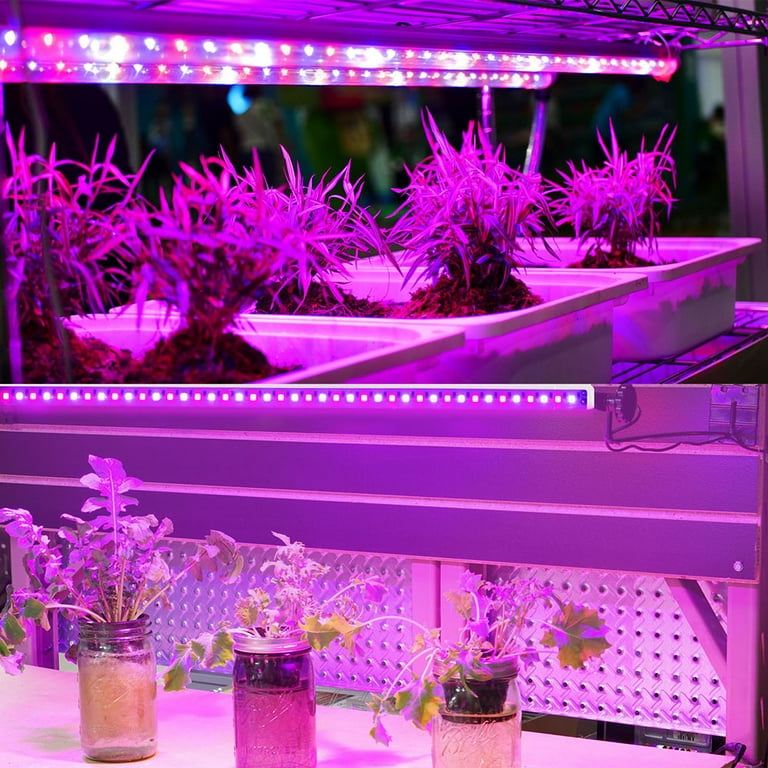
Seedlings are frequently grown in fluorescent tubes, however because these tubes do not provide the red light that is necessary for the formation of chlorophyll at an early stage, the seedlings are less robust. A side-by-side study that was conducted by a gardening blog discovered that lettuce seedlings that were grown under purple LEDs were thirty percent more resilient than those that were placed under fluorescent tubes. This was demonstrated by the seedlings' stronger roots and deeper green leaves. Additionally, purple light-emitting diodes (LEDs) create less heat than any of these other alternatives, which enables gardeners to position lights closer to plants without incurring the danger of burning them. This is an essential factor for indoor installations, where space is restricted.
Conclusion In conclusion, it is important to acknowledge that the use of artificial intelligence (AI) in various industries has the potential to bring about significant changes. While there are concerns about the ethical implications of AI, there are also opportunities for innovation and progress.
Purple LED lights have revolutionized the way we cultivate plants inside by catering to the specific requirements of each phase of plant development. The red light they emit plays a crucial role in jumpstarting photosynthesis, while their blue light initiates growth and avoids leggi
The Function of Purple LED Lights in Providing Support for Every Stage of Plant Growth
Every plant goes through three unique stages in its life cycle: germination, vegetative development, and flowering/fruiting. In order for the plant to survive, each of these stages requires certain environmental conditions. Of all these circumstances, light is the only one that cannot be negotiated. It is the driving force behind photosynthesis, it controls the generation of hormones, and it directs the most important developmental changes. Although natural sunshine is the best alternative, commercial farming, urban gardening, and indoor agriculture frequently make use of artificial lighting. However, not every method is equally successful. The arrival of purple LED lights has been revolutionary. These lights are engineered to emit a precise blend of red (620–750 nanometers) and blue (450–495 nanometers) wavelengths, which is a combination that has shown to be extremely effective in a variety of applications. Purple light-emitting diodes (LEDs) provide plants with just what they want, at precisely the time that it is needed. This is in contrast to generic white LEDs, which squander energy on green and yellow light that is not required, or high-pressure sodium (HPS) bulbs, which have a tendency to overheat. Taking into consideration the latest research and the experiences of growers in the real world, this article takes another look at the manner in which purple light-emitting diodes (LEDs) solve the distinctive problems that are presented by each stage of growth. The goal is to emphasize the unparalleled value that these LEDs provide in plant care today.
Germination and Seedling Stage: Getting Life Started with Targeted Lighting
The seed germination and seedling stage is a very vulnerable period of time since the seed is required to break dormancy, put out roots, and unfold its first leaves while simultaneously avoiding stresses such as root rot or legginess. Light is not only a source of energy for a large number of species, but it also serves as a signal to begin the process of growth. Because of the blue light component that they possess, purple LEDs are excellent at transmitting this signal. This component functions as a biological "on switch" for germination, which is the process by which a plant begins to grow from a seed or spore.
The term "photoblastic" refers to seeds that require light in order to germinate. Seeds of plants such as lettuce, broccoli, and petunias are examples of seeds that are photoblastic. Gibberellic acid, a hormone that breaks down the starches that are stored in the seed into glucose, which is then used by the plant as fuel for early cell division, is stimulated by the blue light of purple light-emitting diodes (450–495 nm). According to a research conducted by the International Society for Horticultural Science (ISHS) in 2023, lettuce seedlings that were exposed to purple LEDs germinated twenty-eight percent quicker than those that were kept under dark settings. In addition, the seeds that were exposed to purple LEDs had a seventeen percent greater success rate. This speed is revolutionary for microgreen producers since it reduces the length of the germination cycle from ten days to seven days, which enables them to harvest more often and lowers the likelihood of mold developing in the growing trays that are damp.
Etiolation is the most significant danger that seedlings encounter once they have germinated. Seedlings are made more likely to break due to the fact that they will extend toward any source of light, which is brought on by this condition that is produced by an inadequate amount of blue light, and it results in stems that are pale and thin. This problem is addressed with purple LEDs, which employ blue light to control the growth of stems. They prevent cells on the shaded side of the seedling from becoming too long, which causes the stems to be shorter and thicker. In this case, the red light in purple LEDs also performs a very important function: it stimulates the development of chlorophyll in the earliest leaves of the seedling, which makes it possible for photosynthesis to begin sooner. The results of a research conducted by a small-scale hydroponic farm in Oregon revealed that tomato seedlings that were grown under purple LEDs had 35% greater chlorophyll content than those that were produced under fluorescent lights. This allowed the seedlings cultivated under purple LEDs to make the transition from seed nutrition to self-sustained development four days sooner than those grown under fluorescent lights. This early photosynthetic boost, which is a critical statistic for commercial producers, raises the survival rate of seedlings by as much as 25 percent.
Vegetative Stage: Establishing a Strong Foundation of Foliage and Roots in Preparation for Future Growth
When plants are in the vegetative stage, their primary focus is on expansion. This is the period during which plants develop the leaves, stems, and roots that will provide the "framework" necessary for them to blossom and produce fruit. During this period, plants require high quantities of both red and blue light, but for distinct reasons. Leaf growth and stem elongation are both stimulated by red light, whilst blue light is responsible for strengthening roots and shaping the structure of plants. Because the red and blue blend of purple LEDs is balanced (often 3:1 to 4:1), these lights are ideally tuned to fulfill these two requirements, which leads to plants that are more productive and healthier.
During the vegetative stage of plant growth, the main factor that determines the amount of leaf biomass is the presence of red light. It encourages the synthesis of auxins, which are hormones that are essential for the division of cells in the leaves and are therefore crucial for leafy green vegetables such as spinach, kale, and arugula. As indicated by the findings of a study conducted by the Controlled Environment Agriculture Center at the University of Arizona, spinach that was grown under purple LEDs for a period of five weeks had leaves that were twelve percent thicker and twenty-two percent greater leaf area than spinach that was produced under white LEDs for the same amount of time. This thickness is not only for show; it signifies an increase in the amount of chlorophyll, which in turn increases photosynthetic efficiency. For instance, basil plants that are cultivated under purple LEDs convert light energy into glucose 19% more quickly than those grown under HPS bulbs, which results in foliage that is more fragrant and lush.
On the other hand, blue light makes certain that the growth is consistent and not only limited to height. It prevents plants from becoming "leggy" by controlling the synthesis of cytokinins, which are hormones that govern stem thickness and leaf form. According to a home gardener in Minnesota, their pothos plants, which were grown under purple LEDs, had internodes (the area between leaves) that were 20% shorter compared to those grown under window light. This resulted in a plant that was more bushy and lush. In addition, blue light improves root systems. One commercial tomato producer in California discovered that plants cultivated under purple LEDs had 42% more lateral roots than those produced under HPS bulbs. This resulted in an increase in nutrient uptake. Because of this more robust root system, plants are better able to withstand droughts and nutrient deficits, which is a significant benefit in the context of indoor cultivation, where soil or water conditions are closely monitored.
Purple LEDs have the additional advantage of being flexible throughout the vegetative stage. Producers have the ability to modify the ratio of red to blue light in order to meet the requirements of plants. For example, a 2:1 ratio, which is more blue, is ideal for leafy greens because it supports thick foliage, while a 4:1 ratio, which is more red, is ideal for plants like peppers because it fosters the development of stems that are stronger and may sustain future fruit production. This personalization guarantees that none of the plants are compelled to "make do" with a light spectrum that is designed to fit all plants.
Flowering and Fruiting Stage: Maximizing Blooms and the Quality of the Harvest
The blooming and fruiting period is the ultimate objective of the majority of growers, and it is during this stage when purple LEDs really stand out. In this stage, it is essential to provide specific light signals. Red light, for example, triggers blooming in a large number of species, but red and blue light working together have been shown to increase the size of fruit, improve its flavor, and boost its nutritional value. These signals are sent through the use of purple light-emitting diodes (LEDs), which target the specific issues that come with flowering and fruiting inside, including inadequate pollination and low fruit quality.
A number of plants depend on "photoperiodism" in order to flower. That is, they require particular day-length signals to be present before they can begin blooming. The flowering of short-day plants such as strawberries and chrysanthemums occurs when the days are short, whereas the flowering of long-day plants such as spinach and carnations occurs when the days are long. The generation of phytochrome, a pigment that informs plants about when they should begin to blossom, is regulated by the red light component (particularly 660 nm) of purple LEDs. Purple light-emitting diodes (LEDs) with a red-to-blue ratio of 5:1 are used to replicate the shorter days of fall for short-day plants, which causes the plants to produce florigen. Florigen is a hormone that stimulates the formation of flower buds. Strawberries that were grown under this ratio generated 33% more flower buds than those that were grown under natural light, according to a study conducted by the Korean Society for Horticultural Science. In addition, the buds that were created under this ratio opened two days faster than those that were produced under natural light. When it comes to long-day plants, purple light-emitting diodes (LEDs) have the ability to prolong the "day length" by supplying red light throughout the evening hours. This delays the blooming process, allowing the plants to devote more attention to the growth of their leaves, which is an excellent situation for farmers who are harvesting greens.
Purple light-emitting diodes (LEDs) are beneficial to day-neutral plants such as tomatoes and peppers during the blooming stage of their development. These plants do not require a certain day length in order to flower, but they do require a significant amount of red light in order to produce healthy flowers. Tomato plants that were grown under purple LEDs at a hydroponic farm in Florida had 27% more blooms per plant than those that were grown under HPS bulbs, according to a study from the farm. Additionally, the flowers produced by the plants grown under purple LEDs were 15% larger than those produced by the plants grown under HPS bulbs. Larger blooms are more likely to be pollinated, even when they are in indoor environments where there are no bees. The viability of pollen is improved by the use of purple LEDs, which further promotes pollination. Research on peppers shown that plants grown under purple LEDs had a 43% higher germination rate for their pollen than plants grown under white LEDs. This increase in germination rate makes fertilization more likely to occur.
Purple LEDs continue to be beneficial even after fruits have begun to form. Leaves that are exposed to red light see an increase in the rate of photosynthesis, which results in a higher production of glucose. This glucose is then delivered to the fruit, which causes the fruit to grow larger and sweeter. The operators of a tomato farm in Florida discovered that the tomatoes they grew using purple LED lights were eighteen percent heavier than the tomatoes they grew using HPS bulbs. Additionally, the purple LED tomatoes had a sugar level that was fourteen percent greater. Meanwhile, blue light improves the overall quality of fruit by controlling the secondary metabolites, which are substances such as vitamins and antioxidants, that are found in fruit. To illustrate, tomatoes that were grown under purple LEDs possessed skins that were thicker, resulting in less bruising during shipment, and they also contained 20% more lycopene (an antioxidant that fights cancer) compared to tomatoes that were produced under white LEDs. For those who cultivate berries, this translates to strawberries that have a more intense flavor and a deeper, richer red hue, which are characteristics that make them more attractive to customers.
Stages are one area in which purple LEDs outperform other lighting options due to many factors.
In order to get a complete understanding of the value of purple LEDs, it is essential to compare them to other lighting options that are often used. For instance, generic white LEDs generate a broad spectrum that includes green and yellow light, which are wavelengths that plants can not utilize. This implies that white light-emitting diodes (LEDs) need to use more power in order to generate the same amount of growth as purple LEDs since they squander as much as fifty percent of their energy. HPS bulbs, which were long considered to be the go-to light source for blooming plants, generate an excessive amount of heat, which necessitates the use of costly cooling systems in order to avoid causing harm to the plants. In comparison to purple LEDs, which have a lifespan of more than 50,000 hours, they also have a relatively limited lifespan (10,000 to 15,000 hours), which results in increased replacement costs.
Seedlings are frequently grown in fluorescent tubes, however because these tubes do not provide the red light that is necessary for the formation of chlorophyll at an early stage, the seedlings are less robust. A side-by-side study that was conducted by a gardening blog discovered that lettuce seedlings that were grown under purple LEDs were thirty percent more resilient than those that were placed under fluorescent tubes. This was demonstrated by the seedlings' stronger roots and deeper green leaves. Additionally, purple light-emitting diodes (LEDs) create less heat than any of these other alternatives, which enables gardeners to position lights closer to plants without incurring the danger of burning them. This is an essential factor for indoor installations, where space is restricted.
Conclusion In conclusion, it is important to acknowledge that the use of artificial intelligence (AI) in various industries has the potential to bring about significant changes. While there are concerns about the ethical implications of AI, there are also opportunities for innovation and progress.

Purple LED lights have revolutionized the way we cultivate plants inside by catering to the specific requirements of each phase of plant development. The red light they emit plays a crucial role in jumpstarting photosynthesis, while their blue light initiates growth and avoids legginess throughout the germination and seedling development stages. Their balanced red-blue combination is responsible for the robust roots and leaves that are produced during the vegetative stage, which in turn provide the groundwork for future growth. Red light stimulates blooming and fruiting; it also causes blooms to appear and increases the viability of pollen. On the other hand, blue light improves the quality of fruit and raises the amount of nutrients it contains.
For producers of all sizes, from those who grow herbs on a windowsill in their home garden to industrial hydroponic farms that feed supermarkets, purple LEDs provide the best possible efficiency, flexibility, and outcomes. They are necessary tools for contemporary agriculture since they lower the cost of energy, enhance the health of plants, and raise yields. Purple LEDs will continue to remain at the forefront as indoor gardening and sustainable agriculture continue to rise in popularity. These LEDs will assist farmers in unlocking the full potential of each and every plant, at every stage of its existence.
Ness throughout the germination and seedling development stages. Their balanced red-blue combination is responsible for the robust roots and leaves that are produced during the vegetative stage, which in turn provide the groundwork for future growth. Red light stimulates blooming and fruiting; it also causes blooms to appear and increases the viability of pollen. On the other hand, blue light improves the quality of fruit and raises the amount of nutrients it contains.
For producers of all sizes, from those who grow herbs on a windowsill in their home garden to industrial hydroponic farms that feed supermarkets, purple LEDs provide the best possible efficiency, flexibility, and outcomes. They are necessary tools for contemporary agriculture since they lower the cost of energy, enhance the health of plants, and raise yields. Purple LEDs will continue to remain at the forefront as indoor gardening and sustainable agriculture continue to rise in popularity. These LEDs will assist farmers in unlocking the full potential of each and every plant, at every stage of its existence.
Together, we make it better.
Shenzhen Benwei Lighting Technology Co.,Ltd
Mobile/Whatsapp :(+86)18673599565
Email:bwzm15@benweilighting.com
Skype: benweilight88
Web: www.benweilight.com
Add:F Building,Yuanfen Industrial Zone,Longhua,Bao'an District,Shenzhen, China