Do you feel that your existing ceiling lights have started to cast a yellowish hue, lack sufficient brightness, or simply look outdated compared to your current interior décor? In fact, if you want to instantly brighten up a room and elevate its style, swapping in a round LED panel light is often a more cost-effective solution than a full renovation. This article explores the merits of round LED panel lights, how to choose the right one, and where best to install them-helping you make the right choice without the guesswork.
What is a round LED panel light?
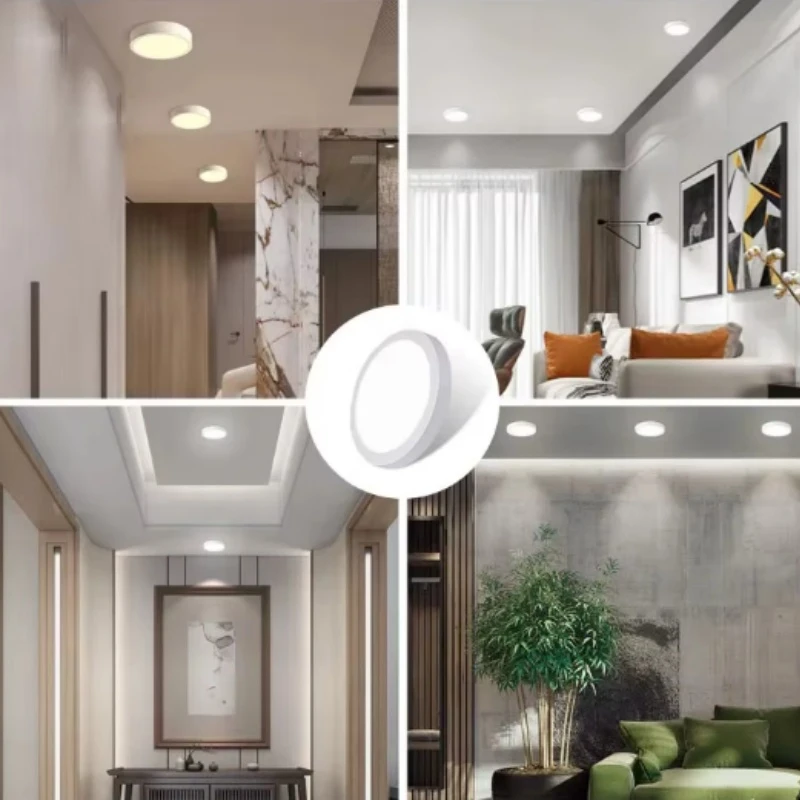
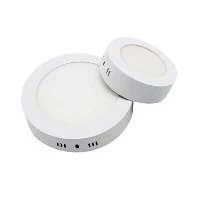
As the name suggests, a round LED panel light is an ultra-thin lighting fixture featuring a circular design. It typically consists of an aluminum alloy frame, a light guide plate, an LED light source, and a diffuser cover. Unlike traditional ceiling lights, these fixtures are usually only ten to a few dozen millimeters thick; they mount flush against the ceiling, taking up minimal space and creating a clean, minimalist aesthetic.
Common installation methods on the market include surface mounting (attached directly to the ceiling surface) and recessed mounting (installed into a cutout in the ceiling so the light sits flush, creating a more seamless, integrated look).
Three major advantages over traditional ceiling lights
Greater energy efficiency and durability: For the same level of brightness, LED panel lights consume significantly less energy than traditional fluorescent or incandescent bulbs. They also boast a lifespan of 20,000 to 30,000 hours or more, virtually eliminating the need for frequent replacements.
More uniform and soft lighting: Thanks to the light-distributing design of the light guide plate, these lights offer a large illuminated surface area. They avoid the harsh hotspots or shadows often caused by traditional bulbs, making them gentler on the eyes during prolonged use.
Minimalist and versatile appearance: With their circular profile and ultra-thin body, these lights blend naturally into various décor styles-from modern minimalist to Nordic-without looking out of place.
Key Parameters to Consider When Choosing
Before purchasing a light, it is advisable to understand the following specifications to avoid finding out it is unsuitable after bringing it home:
Color Temperature (CCT): Generally ranges from 3000K to 6500K. 3000K (warm yellow) is suitable for bedrooms; 4000K (neutral white) works well in living rooms and dining areas; and 6500K (cool white) is ideal for kitchens and office spaces where focus is required.
Luminous Flux (Lumens): Determines the actual brightness of the light. You can make a rough estimate based on room size; larger areas require higher lumen output.
Color Rendering Index (CRI): A higher value means colors appear more true-to-life under the light. A CRI of 80 or above is generally recommended, while spaces requiring high color accuracy may benefit from a CRI of 90 or above.
Dimming Function: Some models support three-color dimming or stepless dimming, allowing you to adjust brightness and color temperature to suit different scenarios for greater flexibility.
Installation Dimensions: Factors such as surface-mount vs. recessed installation and the diameter determine whether the light fits into existing ceiling cutouts-a detail that is easily overlooked.
Suitable Installation Scenarios
Round LED panel lights are highly versatile; common use cases include:
Main lighting for living rooms and bedrooms, serving as an alternative to traditional chandeliers
Ceiling lighting for offices and conference rooms
Functional spaces requiring even illumination, such as kitchens and bathrooms
Commercial venues like shops and showrooms that demand high standards for lighting aesthetics and uniformity
Different settings have varying requirements for color temperature and brightness; considering the intended use of the space before purchasing is more practical than simply focusing on the light's appearance.
Installation and Maintenance Considerations
Before installation, verify that the ceiling structure is suitable for a recessed cutout; note that the installation approach differs between plasterboard (drywall) ceilings and concrete slabs.
When wiring, ensure the fixture's wattage matches the circuit's load capacity to prevent long-term overloading.
Periodically clean the surface of the light diffuser with a dry cloth to prevent dust accumulation from affecting light output.
If the light flickers or brightness drops significantly, it is recommended to check the LED driver first rather than replacing the entire fixture.
Conclusion
The popularity of round LED panel lights stems from their successful combination of energy efficiency, uniform illumination, and a minimalist aesthetic. When shopping, there is no need to get overwhelmed by technical specifications; simply focus on key factors-color temperature, lumens, color rendering index (CRI), and installation dimensions-and match them to the specific needs of your room to find the right product. Replacing a light is a simple task, yet choosing the right one can significantly elevate the look and feel of a space.
If you are selecting round LED panel lights for a project or retail store and are unsure which specifications, color temperatures, or installation methods best suit your space, please share your requirements with us. Whether you need advice on product specifications, custom sizes, or bulk pricing, we can provide a detailed solution. We look forward to hearing from you.