Shop lighting, good lighting is an excellent shopping guide for shops
With the development of the economy, especially the rise of e-commerce power, a dazzling array of products continue to pour into the eyes of consumers. The requirements for lighting in commercial spaces are no longer limited to "lighting up", but more emphasis on creating business images and shops. Atmosphere and reflect the value of goods to promote sales performance.
A good shop lighting is an excellent "shopping guide". It can guide and arrange the entire route from the appearance of the door to the browsing and even payment of the customer, even without the customer service staff's excessive greeting and guidance.
Lighting arrangement can affect people's visual effects. Good lighting design is indispensable if you want to better express the products and enhance the charm of the products.
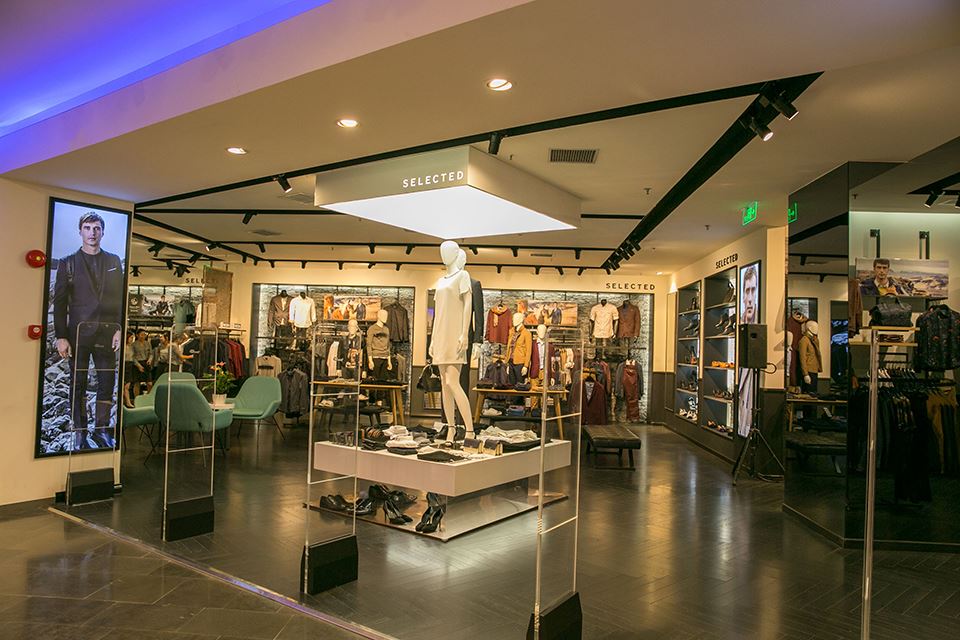
In addition to the purposeful shopping goal, when a customer chooses to walk into a certain store, there are nothing more than these four steps:
1. General observation on the corridor;
2. Target screening during walking;
3. Visual stimulation in the effective visual space;
4. Subjective judgment in a short period of time.
Window lighting
The window is a key functional area that affects the guests' willingness to enter the store. The window lighting should strengthen the vision and enhance the atmosphere, weaken the aisle, strengthen the contrast, and give people a sense of impact. Therefore, the window lighting is slightly higher than the overall brightness of the shop. Spotlights, chandeliers and other lighting can be used to highlight the layering of the product.
Entrance lighting
The entrance location is an important area where the store gives customers the first impression. When customers are successfully attracted by the window, they begin to have an intention to enter the store. At the entrance, consider reducing the change of indoor and outdoor brightness. If the difference between indoor and outdoor brightness is too large, it will cause a greater sense of difference and affect the willingness to enter the store.
Therefore, it is necessary to pay attention to the natural transition between the external natural light and the light in the store in terms of color temperature. Warm colors can be used as the main color to create a warm, natural and comfortable balance.
Nakajima Lighting
Nakajima’s display is generally the newest of the season. The spotlights used should not only emphasize the details of the clothing on the model, but also allow customers to clearly observe several other products. The excellent color rendering of the light source also makes clothing and other products. The colors are more vivid and moving.
After the goods are displayed in an orderly manner, the lighting design should be more orderly and guide customers to pay attention to the beam of light.
For the lighting of each product on the showcase and shelves, the lighting layout should be as balanced as possible, so that the display and selection are naturally balanced, so that guests can compare and purchase more easily.
For products that want to highlight details and have a richer texture, the shadows should be weakened as much as possible. Diffuse lighting or cross lighting with unobvious directivity can be used to reduce the interference caused by shadows.
The booth lights must have better color rendering. Mid-to-high-end clothing brand stores can also be equipped with some key lighting, such as spotlights or recessed lamps for local lighting.
Lighting is very knowledgeable in the design of commercial spaces. Of course, this design process has to cooperate with various elements such as lighting, display, consumer psychology, and flow of people, but the ultimate goal is to promote sales.
Shop lighting mobilizes guests' emotions, and good shop lighting can bring you unlimited business opportunities. Grab the consumer's eyeballs and make designs, and the desire to shop is just what it says.
Customers who originally only wanted to hang out, finally bought a bunch of things under the "shopping guide" of these invisible lights.
The lighting design of the commercial space should reflect attractiveness, interactivity, and promote purchase action. Different commercial space styles can be matched with different lamps. The illuminance, brightness, glare, illuminance ratio, color temperature, color rendering index, etc. of different lamps will affect the style of the commercial space.