Specific Plant Species and Growth Stages That Respond More Strongly to Purple LED Lights

Purple LED lights, with their calibrated blend of red and blue wavelengths – the two spectra most critical for photosynthesis – have proved to be a versatile tool in indoor gardening, hydroponics, and commercial cultivation. However, not all plants respond the same way; some species and growth stages react much more strongly because of their specific needs and how they grow. Understanding which plants and stages benefit most from purple LEDs allows growers to optimise lighting strategies, boost yields, and reduce energy waste. This article explores the plant species that thrive under purple LED illumination and the growth phases where these lights deliver the most significant results, grounded in the science of plant-light interactions.
Plant Species Highly Responsive to Purple LED Lights
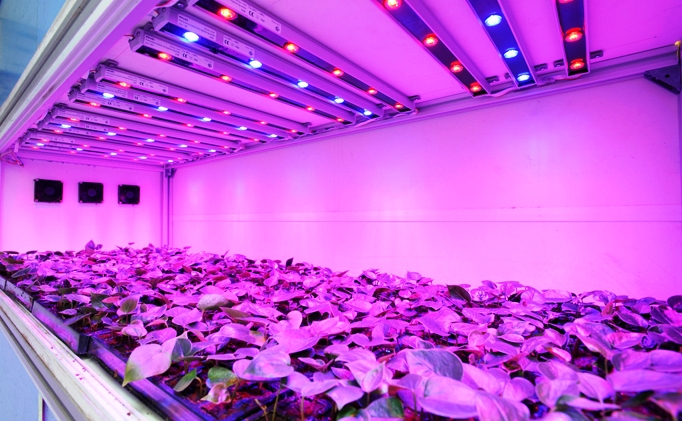
Not all plants rely on light in the same way. Species that prioritize rapid vegetative growth, high chlorophyll production, or precise flowering cues tend to respond most strongly to purple LEDs, as the red-blue spectrum aligns with their metabolic demands. Below are the key categories of plants that benefit disproportionately from purple LED lighting, along with examples and the biological reasons behind their sensitivity.
Leafy Greens and Microgreens
Leafy greens – including lettuce, spinach, kale, arugula, and Swiss chard – are among the most responsive to purple LED lights. These plants are grown primarily for their foliage, and their growth cycle centers on maximising leaf expansion and chlorophyll content, both of which are heavily dependent on red and blue light. Chlorophyll a (which absorbs red light at 620–750 nm) and chlorophyll b (which absorbs blue light at 450–495 nm) are the main pigments that make photosynthesis happen in leafy greens. Purple LEDs give off these wavelengths in a balanced ratio (usually 3:1 to 4:1 red to blue) that directly helps leaves grow. Studies conducted at the University of California, Davis, found that lettuce grown under purple LEDs had 15–20% higher leaf biomass than those grown under white LEDs, with thicker, more tender leaves and higher concentrations of vitamins A and C.
Microgreens – young, edible seedlings of plants like broccoli, radish, and beet-are even more sensitive to purple LEDs. Their short growth cycle (7–14 days) requires intense, targeted light to support rapid cell division and nutrient accumulation. Purple LEDs provide the precise red and blue wavelengths needed to prevent etiolation (leggy, pale growth) and ensure compact, nutrient-dense microgreens. Growers often report that microgreens under purple LEDs have more vibrant coloration (e.g., deeper green broccoli microgreens) and stronger flavor profiles, as the focused light enhances the production of flavor compounds like glucosinolates in broccoli.
Fruiting and Flowering Vegetables

Fruiting and flowering vegetables – such as tomatoes, peppers, strawberries, cucumbers, and eggplants – also exhibit a strong response to purple LED lights, particularly during their reproductive stages. These plants have two key light-dependent needs: robust vegetative growth (to support fruit development) and precise photoperiodic cues (to trigger flowering). Purple LEDs address both: the blue light component strengthens root systems and promotes bushy, healthy foliage during the vegetative phase, while the red light component stimulates the production of florigen-a hormone that induces flowering.
For tomatoes, a crop heavily reliant on light for fruit set and sugar accumulation, purple LEDs have been shown to increase yields by up to 25% compared to traditional high-pressure sodium (HPS) bulbs. The red light in purple LEDs extends the duration of photosynthesis during the fruiting stage, allowing plants to convert more light energy into glucose, which is stored in the fruit as sugar. This results in sweeter, more flavourful tomatoes with thicker skins, which reduces post-harvest damage. Similarly, strawberries grown under purple LEDs produce more flowers per plant and have larger, juicier berries, as the balanced red-blue light enhances pollination success (even in indoor settings with no natural pollinators) and nutrient transport to developing fruit.
Medicinal Herbs and Aromatic Plants
Medicinal herbs and aromatic plants – including basil, mint, lavender, rosemary, and cannabis – are highly responsive to purple LEDs, as their value lies in the production of secondary metabolites: compounds like essential oils, terpenes, and flavonoids that contribute to aroma, flavour, and medicinal properties. The production of these metabolites is tightly linked to light exposure, and purple LEDs' red-blue spectrum acts as a signal to boost their synthesis.
Basil, for example, relies on blue light to stimulate the production of eugenol – the compound responsible for its signature aroma. Studies have shown that basil grown under purple LEDs has 30% higher eugenol content than basil grown under white LEDs, making it more valuable for culinary and medicinal use. Lavender, which produces linalool (a calming essential oil), benefits from the red light in purple LEDs, which enhances flower development and oil accumulation in the buds. Cannabis, a crop with strict light requirements for cannabinoid production (e.g., THC and CBD), also thrives under purple LEDs: the red light component promotes bud growth, while blue light regulates the balance of cannabinoids, ensuring consistent quality across harvests.
Low-Light Tolerant Indoor Plants
While low-light tolerant indoor plants – such as pothos, snake plants, philodendrons, and ZZ plants – can survive in dim conditions, they exhibit a surprisingly strong response to purple LEDs when provided. These plants have evolved to use available light efficiently, but their growth is often slow and stunted in typical indoor lighting (which is low in red and blue wavelengths). Purple LEDs deliver the precise spectrum these plants need to accelerate growth without causing stress, as the focused red and blue light avoids overexposure (a common issue with white LEDs, which can scorch sensitive leaves).
Pothos, a popular trailing plant, grows 2–3 times faster under purple LEDs, with longer vines and larger, more variegated leaves. Snake plants, known for their durability, produce new shoots more frequently under purple LEDs, and their leaves develop a deeper green colouration. For indoor gardeners, this means lusher, healthier plants that require less maintenance – purple LEDs eliminate the need to rotate plants to catch window light and reduce the risk of leaf yellowing from insufficient light.
Growth Stages with a Pronounced Response to Purple LED Lights
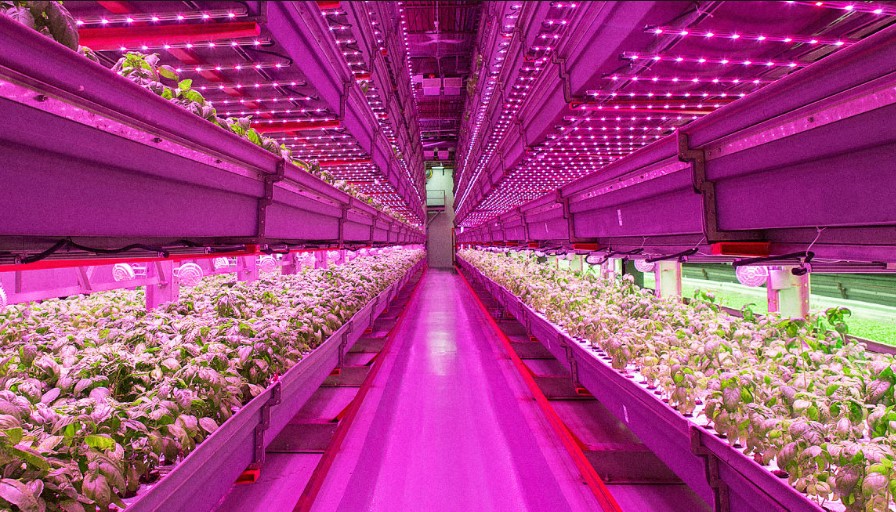
A plant's response to purple LEDs also varies dramatically by growth stage, as each phase has distinct light requirements. From germination to fruiting, certain stages depend more heavily on the red and blue wavelengths in purple LEDs, making these lights particularly impactful at key points in the plant's life cycle.
Germination and Seedling Stage
The germination and seedling stage is one of the most critical periods for purple LED exposure, as young plants are highly vulnerable to light deficiency. Seeds require specific light signals to break dormancy, and seedlings need targeted light to develop strong roots, thick stems, and healthy cotyledons (first leaves). Purple LEDs excel here because their blue light component acts as a "germination trigger" for many species, stimulating the production of gibberellins – hormones that promote seed sprouting.
For example, tomato seeds germinate 2–3 days faster under purple LEDs than in darkness, as the blue light signals the seed to begin metabolic activity. Once germinated, seedlings rely on blue light to prevent etiolation: without sufficient blue light, seedlings grow tall and weak, with thin stems that cannot support future growth. Purple LEDs provide the blue light needed to strengthen cell walls in the stem, resulting in shorter, sturdier seedlings. Additionally, the red light in purple LEDs supports early chlorophyll production, allowing seedlings to start photosynthesising sooner and become less dependent on stored seed nutrients. This early advantage translates to higher survival rates and faster transition to the vegetative stage.
Vegetative Stage
The vegetative stage – when plants focus on growing leaves, stems, and roots – is another phase where purple LEDs deliver exceptional results. During this stage, plants require high levels of both red and blue light to fuel photosynthesis and support rapid growth. Red light drives cell division and leaf expansion, while blue light regulates leaf shape and root development, ensuring a balanced, healthy plant structure.
Leafy greens in the vegetative stage benefit most: purple LEDs' red-blue blend allows them to produce more leaves in less time, with larger surface areas for photosynthesis. For example, spinach grown under purple LEDs for 4 weeks has 20% more leaves than spinach grown under white LEDs, and the leaves are 15% thicker (increasing nutrient content). Even woody plants like rosemary, which have a longer vegetative stage, respond well. Purple LEDs promote bushier growth by stimulating the growth of side shoots, reducing the need for pruning and resulting in a fuller plant.
During the vegetative stage, growers often change the red-blue ratio of purple LEDs to meet the needs of the plants. For example, leafy greens may benefit from a slightly higher blue light ratio (2:1 red to blue) to promote leaf density, while plants like tomatoes may use a higher red light ratio (4:1) to support stem growth. This flexibility makes purple LEDs adaptable to the unique demands of the vegetative stage for different species.
Flowering and Fruiting Stage
The flowering and fruiting stage is where purple LEDs truly shine, as the red light component is essential for triggering flowering and supporting fruit development. Many plants, known as "photoperiodic plants," rely on changes in day length (and thus the light spectrum) to initiate flowering. Red light (specifically 660 nm) is a key signal for these plants, as it inhibits the production of phytochrome, a pigment that prevents flowering in short-day plants (e.g., chrysanthemums) and promotes it in long-day plants (e.g., lettuce).
For short-day plants like strawberries, purple LEDs with a high red light ratio (5:1 red to blue) simulate the shorter days of autumn, triggering flower buds to form 1–2 weeks earlier than under natural light. For long-day plants like spinach, the same purple LEDs can extend the "day length" signal, delaying flowering and allowing the plant to focus on leaf growth (a benefit for growers harvesting foliage). Once flowering begins, the red light in purple LEDs continues to play a role: it enhances pollen viability and pollination success, even in indoor settings where bees or wind are absent.
During the fruiting stage, purple LEDs support the transport of sugars from leaves to developing fruit. The red light component increases the rate of photosynthesis in the leaves, producing more glucose, while the blue light component ensures efficient nutrient uptake from the roots. This combination results in larger, more uniform fruit with higher sugar content. For example, peppers grown under purple LEDs have 10–15% higher sugar levels than those grown under HPS bulbs, making them more marketable for fresh consumption.
Species and Stages with Less Pronounced Responses
While purple LEDs are highly effective for the species and stages outlined above, some plants and growth phases show less sensitivity. Succulents and cacti, for instance, have adapted to arid environments with intense sunlight and store water in their leaves, making them less dependent on frequent photosynthesis. They can survive under purple LEDs but do not show significant growth improvements over well-tuned white LEDs, as their metabolic rate is naturally slower.
Similarly, the senescence stage (when plants begin to die back after fruiting) shows little response to purple LEDs, as the plant's focus shifts from growth to seed production. At this stage, light requirements decrease, and purple LEDs offer no additional benefits over lower-intensity lighting.
Additionally, plants adapted to full-spectrum sunlight (e.g., sunflowers and corn) may not show as strong a response to purple LEDs as leafy greens or herbs. These plants have evolved to use a wider range of wavelengths (including green and yellow light) and may not derive as much additional benefit from the focused red-blue spectrum of purple LEDs. However, they still grow well under purple LEDs – just without the same dramatic yield or growth improvements seen in more responsive species.
Conclusion
While purple LED lights may not be universally applicable, their capacity to provide precise red and blue wavelengths renders them particularly effective for certain plant species and growth stages. Leafy greens, fruiting vegetables, medicinal herbs, and low-light indoor plants respond most strongly, as their physiological needs align with the spectrum of purple LEDs. The germination, vegetative, and flowering/fruiting stages benefit the most because these phases rely on the red and blue light to help plants grow, develop, and reproduce.
For growers, the result means greater flexibility and efficiency: by focusing purple LEDs on the most responsive plants and stages, they can maximise yields, improve crop quality, and reduce energy costs. As indoor gardening and sustainable agriculture continue to expand, understanding these nuances will be key to unlocking the full potential of purple LED lighting, ensuring that every watt of light contributes to healthy, productive plants.
Together, we make it better.
Shenzhen Benwei Lighting Technology Co., Ltd.
Mobile/WhatsApp: (+86)18673599565
Email: bwzm15@benweilighting.com
Skype: benweilight88
Web: www.benweilight.com
Add: F Building, Yuanfen Industrial Zone, Longhua, Bao'an District, Shenzhen, China