The Reason Plants Thrive Most Under Purple LED Lights
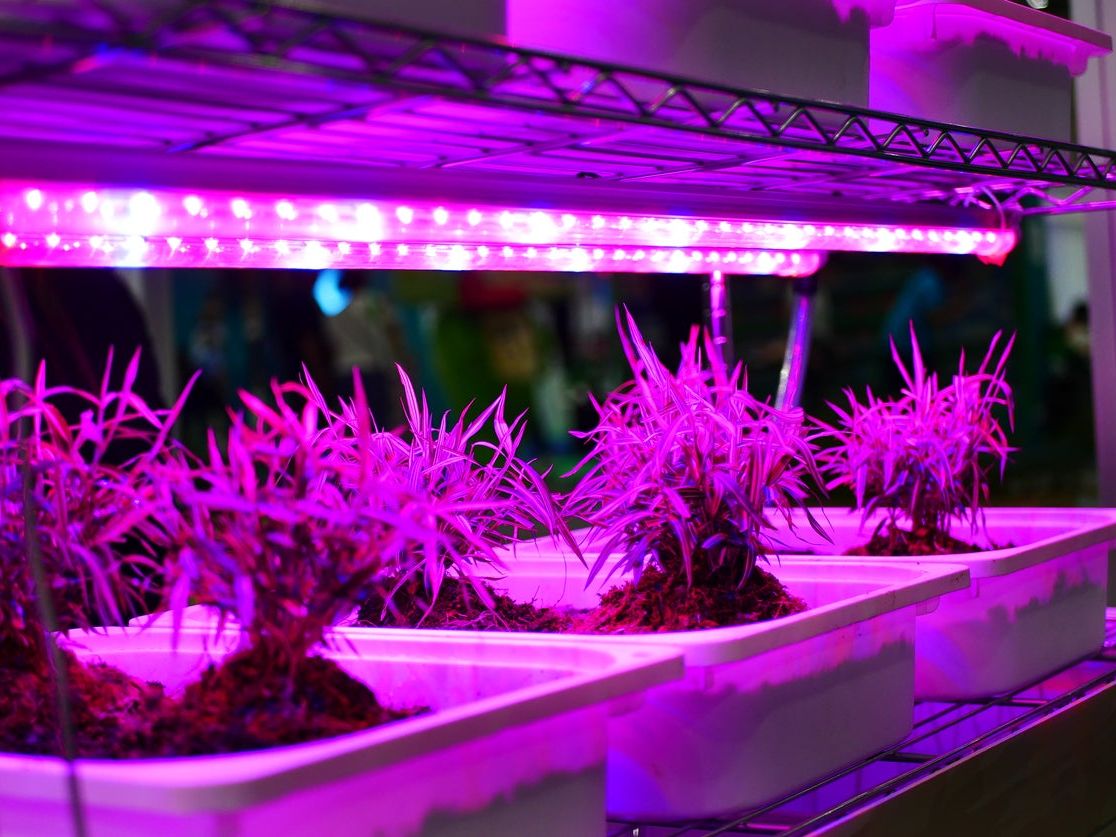
The selection of lighting is a crucial factor that can significantly impact the success of indoor gardening, hydroponics, and vertical farming. The quality of plant health, the rate of development, and the quality of the produce are all dependent on this decision. Because of their superior energy efficiency and spectral accuracy, light-emitting diodes (LEDs) have become the gold standard for lighting solutions, whereas older options such as fluorescent tubes and incandescent bulbs have fallen short in both areas. Out of the wide range of LED hues that are accessible, including red, blue, green, white, and purple, purple LED lights are distinguished as being the most efficient choice when it comes to providing support for healthy plant development. This article goes into the physics of plant-light interactions, explains why purple light outperforms other colours, and discusses its practical implications in modern agriculture.
Photosynthesis and Spectral Needs: The Science of Plant-Light Interaction
Before it is possible to comprehend the reason for the superior performance of purple LED lights, it is essential to first have an understanding of the way that plants utilise light. Photosynthesis, which is the process in which plants transform light energy into chemical energy (glucose) with the help of chlorophyll, a green pigment that is present in the leaves of plants, is the main mechanism that drives plant development. When it comes to the absorption of light wavelengths, chlorophyll does not treat all of them the same. Instead, it exhibits various "preferences" that correspond to certain sections of the electromagnetic spectrum.
Chlorophyll a and chlorophyll b are the two most important kinds of chlorophyll that are involved in this process. The most prevalent form of chlorophyll, known as chlorophyll a, has the greatest efficiency in the absorption of light within the red spectrum (620–750 nm) and the blue spectrum (450–495 nm). In addition to chlorophyll a, chlorophyll b also absorbs blue light, but it also absorbs light in the violet range (400–450 nm) to a little greater extent. Chlorophyll b is complementary to chlorophyll a. These two pigments work together to collect the energy required to fuel photosynthesis, promote cell division, and control the most important stages of growth, which include germination, blooming, and fruiting.
On the other hand, green light (500–600 nm) is reflected by plants to a great extent, and it is this phenomenon that makes leaves look green when viewed by the human eye. Although a few studies have indicated that green light is able to pass through thick canopies and reach the plants that are at the bottom, it is not as important to the process of photosynthesis as red and blue light are. White light is a combination of all of the wavelengths that are visible to the human eye, which includes both red and blue light. However, it also contains green and yellow light, which are not used by plants, and so energy is wasted on these components. This makes white light a less efficient choice for focused plant development.
What are the characteristics that set purple LED lights apart from other types of lights? The Ideal Combination of Red and Blue
While purple LED lights are not composed of a single wavelength, they are made up of a finely calibrated blend of red and blue light, which are the two spectra that are most important for the process of photosynthesis. Manufacturers produce purple LEDs by combining red and blue diodes in a single fixture. The red diodes normally have a wavelength of 660 nm, which is the highest absorption wavelength for chlorophyll a, while the blue diodes usually have a wavelength of 450 nm, which is excellent for chlorophyll b. This mixture of light simulates the natural lighting conditions that plants have developed to flourish in, while removing wavelengths that are superfluous since they either waste energy or do not contribute to plant development.
1. Achieving the Highest Possible Level of Photosynthetic Efficiency
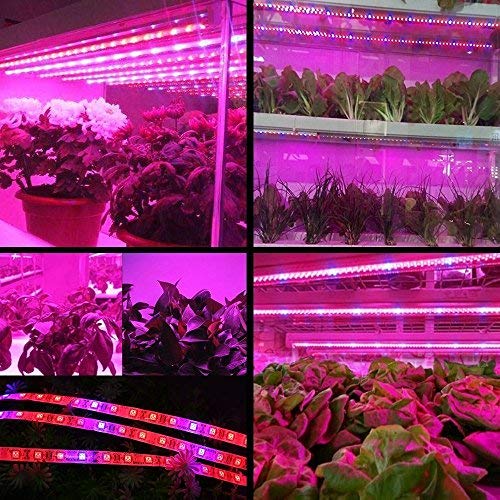
In the case of purple light-emitting diodes (LEDs), the ratio of red to blue light is frequently adjusted to meet the requirements of the majority of plants. Plants normally require a greater amount of red light than blue light; therefore, the ratio is typically set to 3:1 or 4:1, respectively. In the final phases of development, red light is critical. It encourages blooming, increases stem elongation, and improves the formation of fruit. On the other hand, blue light is essential for early development, as it regulates seed germination, develops root systems, and promotes compact, bushy growth. This prevents "stretching", which occurs when plants grow tall and feeble when there is not enough light.
Purple LEDs combine two wavelengths to support all stages of plant growth. Purple light-emitting diodes, or LEDs, provide plants with a steady and balanced supply of energy throughout their life cycle, from seedling to harvest. This is in contrast to red or blue LEDs, which are single-colour and only target a specific aspect of the photosynthetic process. This equilibrium results in quicker development rates. According to research conducted by the University of Arizona, lettuce that was cultivated under purple LEDs matured twenty percent more quickly than lettuce that was produced under white LEDs, and it also exhibited a greater chlorophyll content and improved nutrient absorption.
2. Energy Efficiency and Heat Reduction
The remarkable energy efficiency that purple LED lights provide is just another benefit of using them. Their exclusive concentration on red and blue wavelengths, which are the only wavelengths that plants really employ, results in a far lower amount of energy being wasted on unneeded light in comparison to white LEDs or conventional lighting. As an example, a 200-watt white light-emitting diode (LED) or a 400-watt high-pressure sodium (HPS) bulb both have the potential to generate photosynthetically active radiation (PAR), which is a measurement of the amount of light that may be used for the process of photosynthesis, in the same way as a 100-watt purple LED fixture does. In addition to lowering the cost of power for farmers, this efficiency also results in a reduction in heat production.
In indoor gardening, heat is a significant issue. If the temperature is too high, the soil will dry up, the leaves can be damaged, and the absorption of nutrients can be disrupted. The operation of purple light-emitting diodes (LEDs) does not require the use of expensive cooling systems since they function at a far lower temperature than high-pressure sodium (HPS) bulbs or even white LEDs. This heat reduction is particularly beneficial in vertical farms, where space is restricted and fixtures are positioned close to plants; it allows farmers to position lights closer to canopies without running the danger of causing plant stress, hence increasing light absorption and growth even more.

3. Adaptability Across Different Plant Types
Purple LED lights are not restricted to one particular plant species; they can be adjusted to accommodate the requirements of a wide range of plants, including blooming plants such as tomatoes and roses, leafy greens such as spinach and lettuce, and even medicinal herbs like as basil and mint. The red-blue combination found in purple light-emitting diodes (LEDs) promotes the growth of sensitive, thick foliage in leafy green vegetables, which favor vegetative growth. The red light component induces blooming and increases the sugar content of fruit in fruiting plants like tomatoes, which results in yields that are sweeter and have greater flavor. Pothos and snake plants are examples of plants that flourish in environments with low light. However, even plants like these may benefit from purple LEDs since these lights provide them with the exact type of light they want without subjecting them to an overwhelming amount of brightness.
Purple LEDs are versatile enough to be used in a variety of settings, including home gardens, commercial hydroponic operations, and vertical farms. Purple LEDs are a versatile and economical lighting option that can be tailored to accommodate plants as their requirements evolve over time through the use of dimming or ratio tuning. This is in contrast to specialized fixtures, which are only suitable for one plant species and cannot be modified to meet the changing demands of plants as they grow.
A Comparison of Purple Light-Emitting Diodes (LEDs) with Other Common Plant Lighting Options
In order to have a complete understanding of the advantages of purple LEDs, it is beneficial to compare them to other well-known lighting options for plants. These include red LEDs, blue LEDs, white LEDs, and high-pressure sodium (HPS) bulbs.

1. Red LEDs versus Purple LEDs
Red LEDs are useful for blooming and fruiting, but they do not emit blue light, which is essential for development in the early stages. Etiolation is the term used to describe the phenomenon in which plants grown solely under red LEDs acquire pale leaves, feeble roots, and stems that are narrow. This problem is avoided with purple LEDs, which have blue light already integrated into them, because they encourage the growth of roots and leaves from the very beginning. This results in plants that are more robust and healthier.
2. Light-emitting Diodes That Emit Blue Light as Compared to Those That Emit Purple Light
Blue LEDs encourage strong roots and compact growth, however they are inadequate for the later phases of development, such as blooming. Plants have a difficult time producing blooms or fruit if red light is not present, and their rate of development slows down significantly as a result. The addition of red light provided by purple LEDs resolves this issue, guaranteeing that plants will transition through each stage of development without any problems.
3. Purple Light-Emitting Diodes Compared to White Light-Emitting Diodes
White LEDs are handy for human vision (they make it easier to check plant health), but they are wasteful for plants. A significant portion of their energy is used up on green and yellow light, which plants do not take in. Because they take more power to provide the same PAR as purple LEDs, white LEDs raise prices and increase heat production. under addition, under certain situations, an overabundance of green light might disrupt the signals that plants use to communicate with one another, which can result in delayed development.
4. High-Pressure Sodium Bulbs in Comparison to Purple Light-Emitting Diodes
Purple light-emitting diodes (LEDs) are more advanced than high-pressure sodium (HPS) bulbs, despite the fact that HPS lights have been used for a long time in commercial horticulture. High-pressure sodium (HPS) bulbs generate a significant amount of heat, use a significant amount of power, and have a very limited lifespan (which is usually around 10,000 hours). In contrast, purple light-emitting diodes (LEDs) have a lifespan that is often 50,000 hours or more. They also produce a restricted spectrum of light that is dominated by yellow and orange wavelengths, which do not make a significant contribution to the process of photosynthesis. In every single category, purple LEDs surpass HPS bulbs. They are more efficient, have a longer lifespan, generate less heat, and provide a more tailored spectrum of light.
Practical Applications of Purple Light-Emitting Diodes in Contemporary Cultivation
Purple LED lights have become a fundamental component of a wide range of growth settings, from tiny home setups to large-scale commercial operations, because to the advantages they provide.
1. Indoor Gardening in the Home
Purple LED strip lights or tiny fixtures are the best choice for home gardeners who are growing herbs, microgreens, or small veggies on windowsills or shelves. Because they are compact, energy-efficient, and create a little amount of heat, they are safe to use in restricted areas. When it comes to growing plants in the house, many people have reported that they have seen faster germination periods and fuller development when utilizing purple LEDs compared to white LEDs or natural window light, which is sometimes unpredictable, particularly during the winter months.
2. Hydroponics and Aquaponics
Because they are frequently positioned in basements or rooms inside buildings that receive no natural light, hydroponic systems, which are those in which plants are cultivated in water without the use of soil, are highly dependent on artificial lighting. Because its focused spectrum promotes nutrient absorption, purple LEDs are ideal for use in hydroponics. Plants that are grown hydroponically under purple LEDs frequently produce larger yields and have improved nutritional profiles (for example, lettuce that contains more vitamins or herbs that have a greater number of antioxidants) as compared to plants that are grown under other types of lighting.
3. Farming in a Vertical Manner
In order to prevent overheating and guarantee that light is distributed evenly, vertical farms, which stack plants in layers to save space, rely on efficient, low-heat lighting. Because purple LEDs are compact, lightweight, and capable of being mounted in confined locations, they are an excellent option for vertical systems. Purple LEDs have been embraced by businesses like as Plenty and AeroFarms, which are among the most prominent brands in the vertical farming industry. Citing higher growth rates and cheaper operational expenses, these companies have made the decision to switch to purple LEDs as their primary lighting option.
4. Greenhouses
The use of purple light-emitting diodes (LEDs) as extra illumination is common in greenhouses. This is because greenhouses rely on natural sunshine, and there is not much sunlight available on overcast days or during the winter months. They guarantee that plants will continue to develop at a steady rate all year long by providing a surge of red and blue light, which natural light may not be able to give.
Dispelling Widespread Misconceptions Regarding Purple LED Lights
Even though purple LED lights have been shown to be good for plant growth, there are still some growers who are suspicious of them, typically as a result of misunderstandings.
The first common misconception is that "Purple light is unnatural for plants."
Although sunlight and purple light are not identical, purple light is a more concentrated form of the wavelengths that plants require the most. Purple LEDs are nothing more than blue and red LEDs combined into a single unit. They operate by removing the superfluous sections of the color spectrum, which is what makes them different from sunlight. Plants do not "see" color in the same way that people do; instead, they only react to the wavelengths that are responsible for photosynthesis. Purple light is not detrimental to plants; rather, it is a more effective method of providing them with the energy they need.
Another common misconception is that "White light is better because it looks more natural."
When it comes to plant development, human perception of light is not a factor that has to be considered. Although white light can make it simpler for cultivators to identify pests or leaves that are in the process of turning yellow, it does not contribute to the overall health of the plant. As a matter of fact, the abundance of green light in white LEDs might be detrimental to their intended purpose. In order to strike a balance between the two requirements, a number of growers have adopted the practice of using a combination of purple LEDs, which are used to encourage plant development, and white LEDs, which utilize little power and serve the purpose of visibility.
The third misconception is that "Purple LEDs are too expensive."
Despite the fact that purple LEDs may have a greater initial cost than white LEDs or HPS bulbs, their extended lifespan (50,000+ hours) and energy efficiency make them a more cost-effective option in the long term. An HPS bulb can be replaced with a purple LED fixture, which can last up to five times longer and consumes 50–70% less power. The starting outlay is significantly less than the amount of money saved on power and replacement expenses throughout the course of a year.
Conclusion In conclusion, it is important to acknowledge that the use of artificial intelligence (AI) in various industries has the potential to bring about significant changes. While there are concerns about the ethical implications of AI, there are also opportunities for innovation and progress.
When it comes to plant illumination, purple LED lights are the best option out there for promoting growth that is rapid, healthy, and high-yielding. They achieve the highest possible level of photosynthetic efficiency, limit the amount of energy that is wasted, and minimize heat output by combining the red and blue wavelengths that plants require in the greatest amounts. This combined wavelength also allows them to adapt to the requirements of practically every plant species. Purple LEDs are capable of consistently providing dependable results that are unmatched by any other lighting choice, regardless of whether they are being used in a hydroponic system, a home windowsill garden, or a sizable vertical farm.
Purple LED lights will become more and more crucial in guaranteeing food security, minimizing environmental effect, and making growing accessible to all as indoor gardening and sustainable agriculture continue to gain popularity. Purple LED lights are not only an option for farmers who wish to cultivate plants that reach their full potential – regardless of whether they are doing it for personal use or for commercial profit-but rather a need.
Together, we make it better.
Shenzhen Benwei Lighting Technology Co.,Ltd
Mobile/Whatsapp :(+86)18673599565
Email:bwzm15@benweilighting.com
Skype: benweilight88
Web: www.benweilight.com
Add:F Building,Yuanfen Industrial Zone,Longhua,Bao'an District,Shenzhen, China