The Future of LED Lighting: Integration with AI, Sensors, and Digital Infrastructure
The future of LED lighting is no longer just about illumination-it is about data, connectivity, and intelligence.
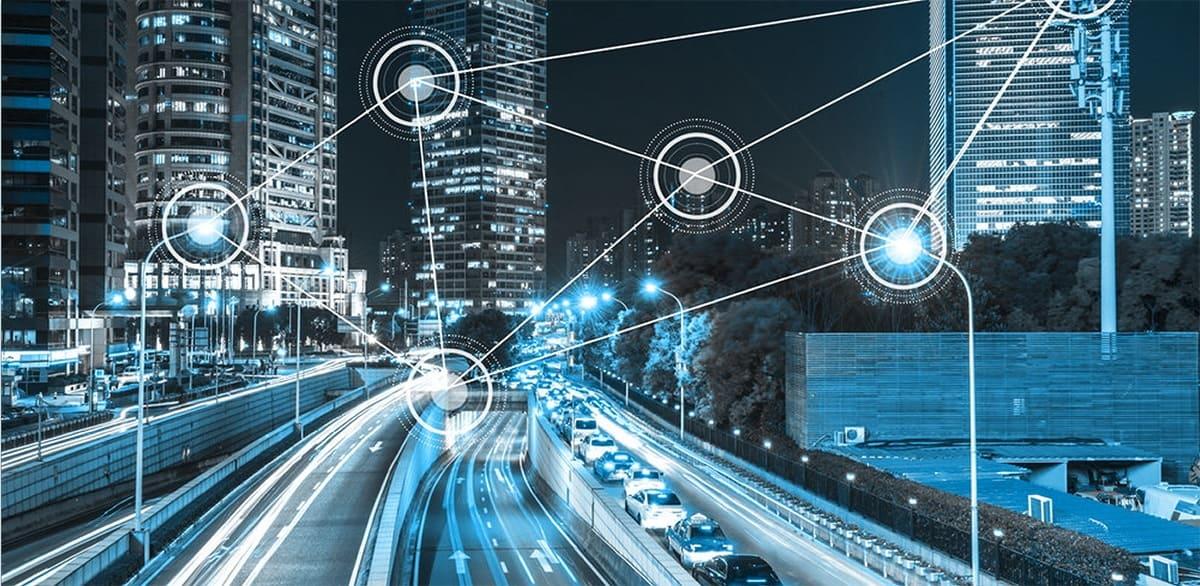
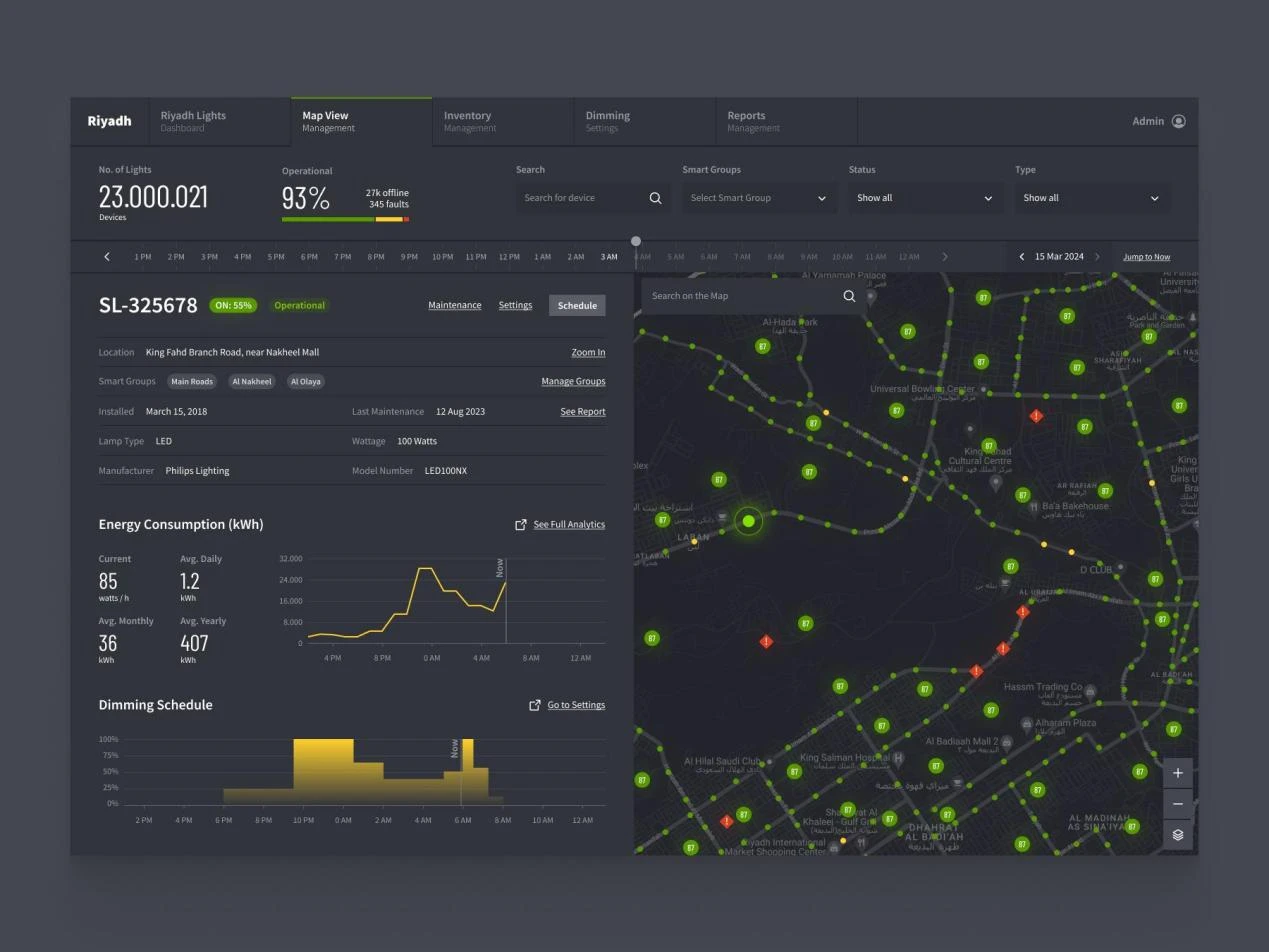
As smart cities and smart buildings continue to evolve, LED lighting systems are becoming integrated nodes within larger digital ecosystems. These systems now collect and transmit data on occupancy, movement, energy consumption, and environmental conditions.
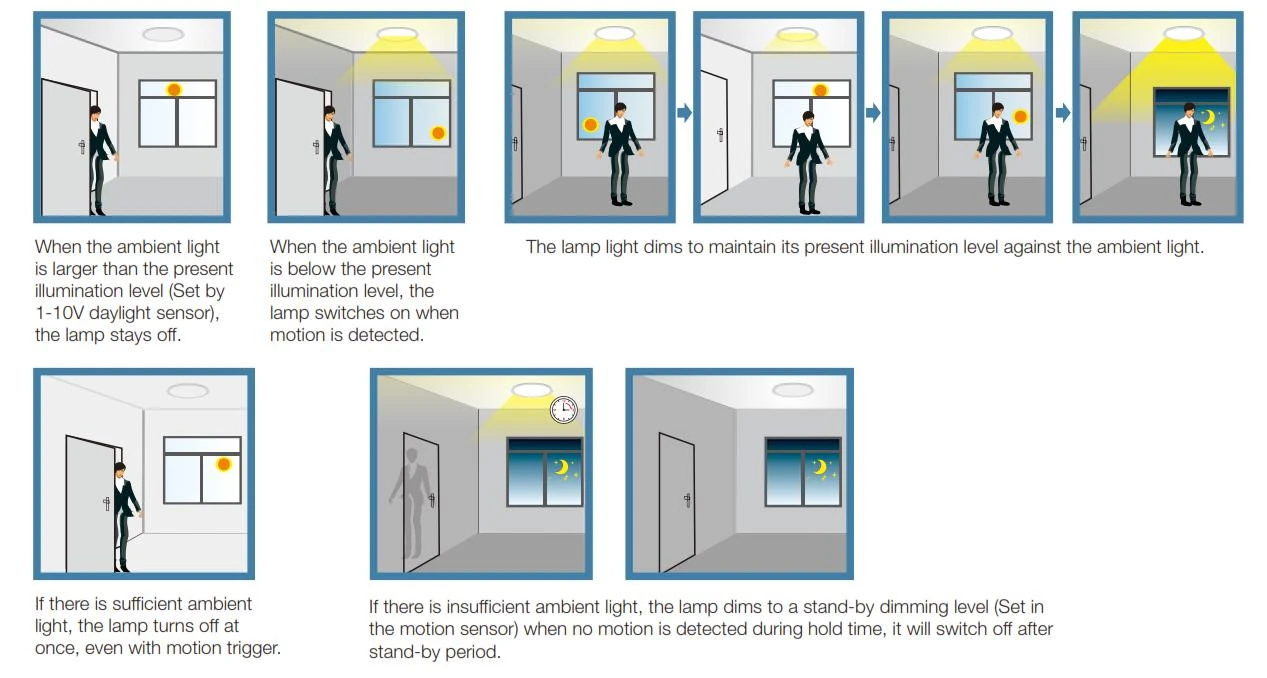
One of the most significant developments is sensor-based automation. Motion sensors and daylight sensors allow lighting systems to adjust automatically based on real-time conditions, significantly improving energy efficiency.
AI is also playing a growing role. Machine learning algorithms can analyze usage patterns and optimize lighting schedules without human intervention. This leads to more efficient and adaptive environments.
Digital twin technology is another emerging trend. By creating virtual models of buildings, engineers can simulate lighting performance before physical installation, reducing design errors and improving planning accuracy.
In the long term, LED lighting will become part of a broader digital infrastructure that connects energy systems, security systems, and building management platforms.
This transformation is redefining lighting from a passive utility into an active intelligent system.