The Professional Performance and Practicality of 12V 200W 300W IP68 Fishing Light LED
In the world of recreational and commercial fishing, lighting is not just a convenience-it's a critical tool that directly impacts catch success, safety, and efficiency. The 12V 200W 300W IP68 Fishing Light LED stands out as a game-changing solution tailored to the unique demands of aquatic environments, combining specialized electrical design, powerful illumination, and rugged waterproofing to meet the needs of anglers ranging from weekend hobbyists to professional commercial fishers. Unlike generic outdoor lights that falter in water or lack the intensity to attract fish, this LED fishing light is engineered from the ground up for marine use: its 12V low-voltage system ensures safety in wet conditions, its 200W/300W power output delivers fish-attracting brightness, and its IP68 rating guarantees durability against full submersion. To fully appreciate its value, it's essential to explore how each technical specification translates to real-world benefits, how it outperforms traditional fishing lights, and why it has become a staple in both freshwater and saltwater fishing scenarios.
First, the 12V low-voltage design of this fishing light is a non-negotiable feature for aquatic safety and practicality. Unlike standard 110V or 220V household lights, which pose severe electric shock risks if exposed to water-a constant hazard in boats, docks, or shoreline setups-12V systems operate at a voltage level that is inherently safer for humans and marine life. This is especially critical for anglers who work in close proximity to water: whether the light is hung over the side of a small kayak, mounted on a dock piling, or submerged near a boat's hull, the low voltage eliminates the danger of lethal shocks if the light's housing is damaged or if water comes into contact with wiring. Additionally, 12V compatibility aligns with the power systems of most boats and fishing vessels, which typically use 12V batteries for trolling motors, navigation lights, and other equipment. This means anglers don't need to invest in bulky voltage converters or separate power sources; they can directly connect the fishing light to their boat's existing battery (or a portable 12V battery pack for shore fishing) using standard marine-grade cables. For example, a recreational angler heading out for a night of bass fishing on a small aluminum boat can plug the light into the boat's 12V accessory outlet, avoiding the hassle of carrying extra gear. For commercial fishers using larger vessels, the 12V design also reduces energy strain on the boat's electrical system, allowing the light to run for hours alongside other essential equipment like fish finders or radios without draining the battery excessively.
Complementing the safe 12V system is the light's 200W and 300W power options-engineered to deliver the specific brightness needed to attract fish, a key principle in successful night fishing. Fish are naturally drawn to light due to a phenomenon called "phototaxis," where small aquatic organisms (like plankton, minnows, or shrimp) are attracted to illumination, and larger predatory fish (such as bass, walleye, snapper, or tuna) follow to feed on these smaller creatures. For this chain reaction to work, the light must be bright enough to create a visible "lighted zone" in the water-something generic lights often fail to do. The 200W model of this LED fishing light typically produces 20,000–25,000 lumens, while the 300W version pushes output to 30,000–35,000 lumens-far brighter than incandescent or halogen fishing lights of similar wattage (which often top out at 10,000 lumens or less). This intense brightness penetrates water more effectively: in clear freshwater, the light can create a visible zone 5–8 meters in diameter; in slightly murky saltwater, it still maintains a 3–5 meter radius, ensuring enough plankton and baitfish are attracted to draw in larger catches. The power options also cater to different fishing styles: the 200W model is ideal for small-scale fishing (like shore fishing for crappie or kayak fishing for trout), where a compact, energy-efficient light is preferred. The 300W model, meanwhile, suits commercial operations (like night fishing for squid or mackerel) or anglers targeting large predatory fish, where a larger, brighter lighted zone increases the chances of attracting a school. Additionally, LED technology ensures this power is used efficiently: unlike incandescent lights, which waste 90% of energy as heat, LEDs convert nearly all energy into light, meaning the 200W/300W output delivers maximum brightness without excessive heat buildup-critical for avoiding damage to the light's housing or harm to nearby aquatic life.
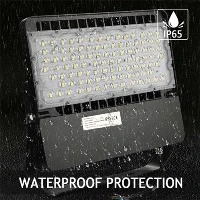
The IP68 waterproof rating is perhaps the most defining feature of this fishing light, as it guarantees durability in the harshest marine conditions. The IP (Ingress Protection) scale rates a product's resistance to solids and liquids: the first digit (6) means the light is completely dust-tight (preventing sand, dirt, or debris from clogging the LED modules), while the second digit (8) indicates it can withstand continuous submersion in water beyond 1 meter (often up to 5–10 meters, depending on the manufacturer). This is a significant upgrade over lower IP ratings like IP65 (which only resists splashes) or IP67 (which handles temporary submersion), making the light suitable for full-time underwater use-a common practice in commercial fishing, where lights are submerged for hours or even days to attract fish. The IP68 protection is achieved through a combination of robust design choices: a sealed aluminum or high-impact plastic housing, rubber gaskets around all openings (like cable entry points or control buttons), and waterproof LED modules coated in epoxy resin to prevent water intrusion. This durability ensures the light survives not just submersion, but also exposure to saltwater corrosion-a major threat to unprotected lights in ocean environments. Saltwater is highly conductive and corrosive, but the IP68-sealed housing and marine-grade materials (like stainless steel mounting hardware) prevent rust and electrical damage. For example, a commercial fisher using the light in the Gulf of Mexico can submerge it for 12-hour shifts, then rinse it with freshwater at the end of the day, confident that it will work reliably the next night. Even for recreational anglers who accidentally drop the light into deep water or leave it out in a rainstorm, the IP68 rating eliminates the risk of permanent damage-a common frustration with cheaper, less protected fishing lights.
Beyond its core specifications, the 12V 200W 300W IP68 Fishing Light LED also incorporates specialized design elements that enhance its effectiveness for fish attraction and user convenience. One key feature is its light spectrum: most models emit blue or green light, colors that are scientifically proven to be more visible to fish and aquatic organisms than white light. Water absorbs red and orange wavelengths quickly, but blue and green light penetrate deeper, making the light's "attraction zone" larger and more effective. For example, green light is particularly popular for freshwater fishing (targeting bass, walleye, or catfish), while blue light is preferred in saltwater (for snapper, tuna, or squid) because it blends better with open-ocean water and reduces glare for anglers. Many models also use a "flood" beam angle (120–180 degrees) rather than a narrow spot beam, which spreads the light evenly across a wide area-critical for creating a large enough zone to attract baitfish. Additionally, the light's physical design is optimized for aquatic use: most models feature a compact, streamlined shape that reduces water resistance when submerged, preventing the light from being pulled by currents or damaging boat hulls. Some include adjustable mounting brackets or hanging loops, allowing anglers to position the light at different depths (from 1 meter to 10 meters, depending on fishing goals) or angles-for example, hanging it vertically over the boat's side to attract fish upward, or mounting it horizontally on a dock to cover a wide shoreline area.
Another advantage of this LED fishing light is its longevity and low maintenance, which outperforms traditional fishing light technologies like incandescent, halogen, or fluorescent bulbs. Incandescent fishing lights typically last only 1,000–2,000 hours and burn out quickly if jostled or exposed to water, while halogen lights are prone to overheating and have similar short lifespans. Fluorescent lights, meanwhile, contain toxic mercury and fail rapidly in cold water-common in night fishing scenarios. The 12V 200W 300W IP68 Fishing Light LED, by contrast, uses high-quality LED chips with a lifespan of 50,000+ hours-equivalent to 5–10 years of regular use (assuming 10 hours of use per week). This means anglers don't have to constantly replace bulbs, a major convenience for those fishing in remote areas where replacement parts are hard to find. Additionally, LEDs are resistant to shock and vibration-critical for boat use, where rough water or engine vibration can damage fragile bulbs. The light's sealed IP68 housing also reduces maintenance needs: unlike lights with exposed components that require frequent cleaning or part replacement, this model can be rinsed with freshwater after saltwater use and stored without disassembly. For commercial fishers who rely on their equipment for income, this reliability translates to less downtime and lower long-term costs; for recreational anglers, it means more time fishing and less time troubleshooting gear.
The versatility of the 12V 200W 300W IP68 Fishing Light LED extends across a wide range of fishing environments and styles, making it a flexible tool for anglers worldwide. In freshwater settings, it excels for night fishing in lakes, rivers, and reservoirs: anglers targeting species like crappie, bluegill, or walleye use the 200W model to attract baitfish near docks or boat slips, while those chasing larger fish like catfish or muskie opt for the 300W version to create a larger feeding zone. In saltwater, it's equally effective: shore anglers use portable 12V battery-powered units to fish for snook or redfish along coastal marshes, while commercial fishers mount multiple 300W lights on their vessels to attract squid, mackerel, or sardines. It's also a valuable tool for ice fishing: anglers can submerge the light through a hole in the ice, creating a lighted zone beneath the surface that draws in perch, pike, or lake trout-all while the IP68 rating protects it from freezing water and ice damage. Even beyond fishing, the light's rugged design makes it useful for other marine activities: boaters use it as a emergency underwater light to inspect hull damage, while dock owners use it to illuminate swim platforms or deter aquatic pests like jellyfish.
When compared to traditional fishing lights, the 12V 200W 300W IP68 Fishing Light LED's advantages are clear. Incandescent and halogen lights are not only less bright and shorter-lived but also consume more energy-meaning they drain boat batteries faster, limiting fishing time. Fluorescent fishing lights, while more efficient than incandescent, lack the brightness to attract fish in deep or murky water and are vulnerable to water damage. Even lower-quality LED fishing lights often fall short: some have IP67 ratings (not fully submersible), others use low-wattage LEDs that can't create a sufficient attraction zone, and many lack the 12V compatibility needed for boat use. This model, by contrast, combines all critical features in one package: safe low voltage, powerful brightness, full waterproofing, and long lifespan. For example, a commercial squid fisher who previously used 100W incandescent lights might switch to the 300W LED model and see a 50% increase in catch rates due to the brighter light's ability to attract more squid, while also cutting battery usage by 30%-a significant cost savings over time.
In conclusion, the 12V 200W 300W IP68 Fishing Light LED is a specialized tool that bridges technical innovation and angler needs, redefining what's possible in night fishing. Its 12V low-voltage design prioritizes safety and compatibility with marine power systems, its 200W/300W output delivers fish-attracting brightness that outperforms traditional lights, and its IP68 rating ensures it thrives in the harshest aquatic conditions-from freshwater lakes to saltwater oceans. Whether used by a hobbyist angler spending a weekend on the lake or a commercial fisherman working overnight shifts, it offers reliability, efficiency, and effectiveness that generic lights simply can't match. As LED technology continues to advance, and as anglers demand more durable, specialized equipment, this fishing light remains at the forefront of marine lighting solutions-proving that the right tool can turn a quiet night on the water into a successful, enjoyable experience. For anyone serious about fishing, the 12V 200W 300W IP68 Fishing Light LED is not just an accessory; it's an investment in better catches, safer trips, and long-term value.
https://www.benweilight.com/lighting-tube-bulb/12v-200w-300w-ip68-fishing-light-led.html
Together, we make it better.
Shenzhen Benwei Lighting Technology Co.,Ltd
Mobile/Whatsapp :(+86)18673599565
Email:bwzm15@benweilighting.com
Skype: benweilight88
Web: www.benweilight.com
Add:F Building,Yuanfen Industrial Zone,Longhua,Bao'an District,Shenzhen, China