The Robust Guardian of Industrial Lighting: A Deep Dive into Tri-Proof Light Fixtures
In the demanding environments of factories, warehouses, parking garages, and food processing plants, standard lighting solutions quickly fail. Here, the Tri-Proof light fixture reigns supreme. Its name, "Tri-Proof," directly hints at its core mission: to provide unwavering illumination while defiantly resisting the most common and destructive elements in industrial settings. Understanding its core features and critical selection points is essential for specifying a lighting system that is safe, durable, and cost-effective.
The Defining Core Features: More Than Just "Three-Proof"
The essence of a Tri-Proof light is built upon a foundation of ruggedness, encapsulated in several key features:
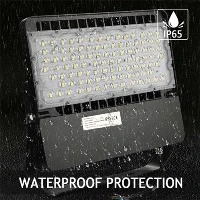
Uncompromising Sealing (IP Rating): The most critical feature is its high Ingress Protection (IP) rating, typically IP65 or higher. This signifies complete protection against dust ingress (6) and powerful water jets (5). This is achieved through a combination of silicone gaskets, precision-molded end caps, and sometimes potted internal components. This makes it impervious to humidity, rain, wash-downs, and pervasive dust, ensuring the electrical components remain safe and dry.
Corrosion and Impact Resistance: True Tri-Proof lights are built with materials that can withstand chemical and physical abuse. The housing is typically constructed from high-grade Polycarbonate (PC)-known for high impact strength and UV resistance-or die-cast aluminum with a premium powder coating. For highly corrosive environments like fisheries or chemical plants, 304 or 316 stainless steel brackets are the gold standard. The lens is also made from tough, shatter-proof PC, not glass.
Vibration and Shock Resistance: Unlike fluorescent tubes, LEDs have no filaments to break. When combined with a robust housing and secure mounting, Tri-Proof fixtures are immune to the constant vibrations from machinery, forklifts, or slamming doors, a common cause of failure for lesser fixtures.
Thermal Management for Long Life: LEDs degrade quickly if overheated. Quality Tri-Proof fixtures use the entire aluminum housing or dedicated heat sinks as a thermal management system, efficiently drawing heat away from the LED chips. This prevents premature light output depreciation, guaranteeing a long service life of 50,000 hours or more.
Ease of Maintenance: Designed for practicality, many models feature a slide-out tray or hinged end-cap design. This allows for effortless access to the LED light engine and driver without dismounting the entire fixture from the ceiling, drastically reducing maintenance time and costs.

Crucial Considerations for Selection and Installation
Choosing the right Tri-Proof light requires careful attention beyond the catalog description:
Verify the IP Rating: Do not accept mere claims. Look for the IP65 (or IP66/IP67) mark directly on the fixture or its official datasheet. This is your guarantee of its protective capabilities.
Scrutinize Materials: Avoid cheap ABS plastic or thinly coated steel, which will become brittle or rust. Insist on PC for the lens and cover and die-cast aluminum or stainless steel for the body and brackets. The material choice directly dictates the fixture's lifespan in your specific environment.
Invest in the Heart: The LED Driver: The driver is the most likely component to fail. Specify fixtures equipped with high-quality, isolated constant-current drivers from reputable brands (e.g., Mean Well, Inventronics). Ensure they have built-in protections against surge, over-voltage, and over-current. A 5-year warranty on the driver is a good indicator of quality.

Plan the Installation: Consider the mounting method (pendant, surface, or wall-mounted) and ensure the fixture supports it. For longer lengths (e.g., 1.2m), add intermediate mounting points to prevent sagging. During installation, the single most important step is to ensure all end caps and seals are tightened securely to maintain the integrity of the IP rating.
Prioritize Serviceability: Opt for a modular design where the light source (LED module) and driver can be replaced independently. Avoid fully integrated, non-serviceable fixtures, as a single failure necessitates replacing the entire unit, increasing long-term ownership costs.
In conclusion, the Tri-Proof light is a masterpiece of functional design, engineered for resilience. It is not merely a light but a reliable guardian of productivity and safety in harsh conditions. By focusing on its core features of superior sealing, robust materials, and thermal management, and by carefully selecting based on verified specifications and quality components, you invest in a lighting solution that will deliver reliable, maintenance-free performance for years to come.