Typical Issues with LED Lighting: Origins, Effects, and Remedies
Because of its extended lifespan, low environmental effect, and energy efficiency, LED lights have emerged as the preferred lighting option for households, businesses, and industries globally. Nevertheless, despite all of its benefits, LED lights can have problems. Many users experience annoying issues that cause their lights to malfunction, limit their lifespan, or become unusable. These frequent concerns, which range from early fading and flickering to overheating and compatibility problems, are frequently caused by things like subpar component quality, incorrect installation, or incompatible accessories. Maximizing the value and dependability of LED lights requires an understanding of the most common problems, their underlying causes, and solutions.

Premature lumen depreciation-the slow fading of the light over time, frequently considerably before the specified lifespan-is one of the most common issues with LED lights. The useful life criterion for LEDs is L70, which states that after a predetermined number of hours (usually 50,000–100,000 for high-quality models), the light should still have 70% of its original brightness. Nevertheless, a lot of LED lights, particularly those that are inexpensive, reach L70 far sooner, often in as little as 15,000–20,000 hours. Overheating is the main reason for early fading. Even while LED chips emit less heat than conventional bulbs, they nevertheless need to be dissipated in order to continue operating. Lumen loss is accelerated when heat builds up near the chips (from a malfunctioning heat sink, obstructed airflow, or high ambient temperatures), damaging the semiconductor materials. Poor-quality LED chips make this problem worse: Cheap chips from unreliable producers frequently have erratic architectures, which increases their vulnerability to heat-induced deterioration. For instance, an LED bulb with a thin, plastic heat sink-which is typical of inexpensive models-will trap heat and dim by 30% in half the time that is anticipated. Not only is premature dimming annoying, but it also decreases visibility, necessitating more frequent bulb replacements and undoing the cost savings that LEDs are supposed to offer.

Another common issue with LED lights is flickering, which is defined as fast, erratic light output that can be seen with the naked eye or result in eye strain (even if it is not immediately apparent). Although flickering is frequently confused with a "defective" lightbulb, it typically results from problems with the power supply or compatibility. The most frequent reason is a poor or defective driver. LED drivers control voltage to guarantee steady operation and transform grid-sourced AC power into DC power, which LEDs need. An inexpensive driver might not be able to keep the current constant, which could result in power variations that make the LED flicker. This is particularly prevalent in low-cost LED lights or bulbs where manufacturers reduce driver expenses. Flickering can also be caused by misaligned dimmer switches. Since LEDs require constant voltage and rely on pulse-width modulation (PWM) for dimming, many users install LED bulbs with conventional incandescent dimmers, which lower voltage. Flickering, strobing, or even driver failure can occur when using an incandescent dimmer with LEDs because it interferes with the driver's ability to regulate power. Temporary flashing can also be caused by electrical grid voltage variations (from appliances turning on and off or power outages), though these are typically brief. In addition to reducing comfort (it may cause headaches or eye strain), persistent flickering also reduces the lifespan of the LED by putting stress on the driver and chips.
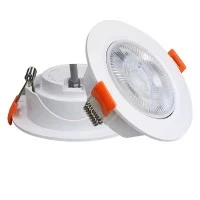
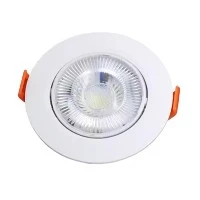
Many LED issues stem from overheating, but it can also appear as a stand-alone problem that endangers safety or damages fixtures. In contrast to incandescent bulbs, which may reach temperatures of 200–300°C, LEDs are "cool to the touch." However, if their internal components-particularly the driver and LED chips-are not adequately cooled, they may overheat. A heated fixture housing, a burning odor, or an unexpected failure are all indicators of overheating. Inadequate thermal management and incorrect installation are the primary causes of LED overheating. A heat sink, often composed of aluminum, a material with a high heat conductivity, is a feature of a well-designed LED fixture that removes heat from the chips and releases it into the atmosphere. Low-cost fixtures frequently employ inferior materials (like plastic) that are ineffective at conducting heat or completely omit heat sinks. Another factor is installation: if an LED fixture is mounted in a restricted area (such as a tight recessed ceiling box) or airflow surrounding the heat sink is blocked, heat is trapped and temperatures rise. For instance, a ceiling-mounted recessed LED downlight that isn't properly ventilated may overheat and fail its driver within a year. In addition to impairing efficiency, overheating can cause insulation around wires to melt, raising the possibility of electrical fires, particularly in older buildings with antiquated wiring.
Another prevalent issue with LED lights that frequently goes unreported until it gets out of hand is color shift, which is a gradual change in the color temperature of the light. From warm white (2700K–3000K, like incandescent bulbs) to cool white (5000K–6500K, brilliant and blue-tinged), LED lights come in a variety of color temperatures. A color shift happens when the color temperature of an LED deviates from its intended range; for instance, a cool white bulb may turn yellow, while a warm white bulb may begin to emit a cool, blue light. Color shift is mostly caused by the LED phosphor coating deteriorating. The majority of white LEDs generate light by coating a blue LED chip with phosphor, which turns some blue light into red and green. The phosphor's capacity to convert light is changed over time by heat and exposure to UV light (from the LED chip itself). A low-cost warm white LED may begin to change color after just 10,000 hours, whereas a high-end model can hold its color for 50,000+ hours. This is because low-quality phosphors, which are used in inexpensive LEDs, deteriorate far more quickly than high-quality ones. Beyond just being an aesthetic problem, color shift can also create eye strain and disturb the ambiance in homes. In commercial settings, such as retail stores, it can distort the appearance of things (e.g., making food look unappetizing or garments look aged).
When people migrate to LED lights, compatibility problems with their current electrical systems or accessories are a common source of frustration. As was already noted, dimmer switches are the most frequent compatibility issue, but LEDs can also interfere with other gadgets like timers, motion sensors, and smart home systems. For instance, some LED bulbs might not be compatible with motion sensors made for incandescent lights; if the sensor is unable to recognize the LED's low power consumption, the light may suddenly remain on or off. Likewise, outdated timers might not accurately control LED power, which could result in erratic performance. Fluorescent fixtures' electrical ballasts provide another compatibility problem. Some people choose to install "ballast-compatible" LED tubes in place of the existing ballast, which controls the power for fluorescent tubes, when switching from fluorescent lights to LEDs. Many older ballasts, on the other hand, are not made for LEDs and can malfunction, flicker, or overheat. Over time, even "compatible" ballasts may deteriorate and cause problems with performance. Users who assume LEDs are "drop-in" alternatives to conventional bulbs without verifying if their current systems support LED technology frequently encounter compatibility issues. This may result in aggravation from repetitive installation and replacement as well as financial waste from ineffective lightbulbs.

Both interior LED lights used in humid places (such as bathrooms or kitchens) and outdoor LED lights (such as flood lights, garden lights, or street lights) are susceptible to water and dust damage. Many low-cost versions fall short of their promises, even though the majority of outdoor LEDs are designated for weather protection (using IP certifications). The two numbers that make up the IP rating (Ingress Protection) are one for dust resistance (1–6, where 6 is dust-tight) and another for water resistance (1–8, where 8 is submersible). Poor sealing is a frequent problem; dust and moisture can enter through holes in the fixture housing, loose screws, or broken lenses. Moisture is especially harmful because it destroys the driver, short circuits electrical connections, and corrodes printed circuit boards (PCBs). In the meantime, dust covers the LED chips and heat sink, preventing heat dissipation and lowering light output. An outdoor LED flood light that is supposed to be IP65 (dust-tight, water-resistant), for instance, but has poor sealing may not work after a year of exposure to moisture or rain. Because salt is extremely corrosive and can quickly erode metal housings and components, saltwater spray poses an additional risk in coastal areas.
Even though these typical issues with LED lights can be annoying, the majority can be avoided or fixed with the correct procedures. First, spend money on premium LEDs from reliable manufacturers. High-end LEDs are put through a thorough testing process to guarantee performance and use long-lasting components (such as solid-state drivers, extruded aluminum heat sinks, and premium phosphors). Seek certifications that attest to the product's compliance with safety and quality standards, such as UL, ETL, or CE. Second, make sure the LED is compatible with your motion sensor, dimmer switch, or ballast (if you're retrofitting) before making a purchase. To prevent flickering, use dimmers designed specifically for LEDs (designated "LED-compatible" or "TRIAC dimmable"). Third, install LEDs correctly by mounting outdoor LEDs firmly with tight seals, making sure fixtures have adequate ventilation (avoid enclosed locations for heat-sensitive models), and adhering to the wiring instructions provided by the manufacturer to minimize voltage problems. Fourth, practice routine maintenance: replace damaged drivers (which are frequently less expensive than replacing the entire fixture), inspect outdoor fixtures for cracks or loose screws, and dust off heat sinks and lenses every three to six months. Lastly, take quick care of problems: to prevent more damage, troubleshoot issues early (e.g., check wiring, replace the dimmer, or clean the heat sink) if you observe flickering, dimming, or overheating.
In conclusion, even though LED lights have many advantages, they might have typical faults such as flickering, overheating, color shift, premature dimming, compatibility problems, and dust or water damage. These problems are usually not caused by intrinsic defects in LED technology, but rather by subpar parts, incorrect installation, or incompatible accessories. Users may make sure their LED lights fulfill their promises of energy efficiency, extended lifespan, and dependable performance by being aware of the underlying causes of these issues and taking proactive measures to prevent or address them. LEDs continue to be an affordable, environmentally friendly lighting option for any environment with the correct selection and maintenance.
FAQ About LED Flood Lights
Q: Can we get a LED floodlight sample for reference?
A: We are glad to send samples for your inspection. Standard samples can be free, but you may need to pay the express fees.
Q: How to confirm the LED spotlight quality with us before starting to produce?
A: 1) We can provide samples and you can choose one or more, and then we will manufacture products according to the quality of the selected sample(s).
2) Send us your existing samples, and we will produce LED floodlights that match the quality of your provided samples.
Q: How to solve the quality problems about LED floodlight after sales?
A: Please take photos of the quality issues and send them to us. After we confirm the problems, we will provide a satisfactory solution within three days.
Q: What is the lead time of recessed floodlight?
A: The lead time is 20-25 days after the sample is confirmed.
Q: Can you print our brand on the flush mounted floodlight?
A: Yes, of course. We can print your brand logo on the flush mounted floodlight as per your requirements.
Q: What is the typical lifespan of your LED floodlights, and how is it measured?
A: Our high-quality LED floodlights typically have a lifespan of 50,000-100,000 hours, measured by the industry-standard L70 benchmark. This means the floodlight will retain 70% of its initial brightness after that time (not complete failure).
Q: Do your LED floodlights work well in extreme temperatures, like hot deserts or cold areas?
A: Our LED floodlights are designed to withstand a wide temperature range (-20°C to 45°C for standard models; -30°C to 55°C for heavy-duty models). For extreme environments (e.g., deserts or frigid regions), we recommend our IP68-rated heavy-duty series, which have enhanced heat sinks and cold-resistant drivers to avoid performance issues.
Q: What IP rating do your outdoor LED floodlights have, and is it suitable for coastal areas with salt spray?
A: Most of our outdoor LED floodlights have an IP65 rating (dust-tight and water-resistant for rain/splashes). For coastal areas, we offer IP68-rated models with anti-corrosive aluminum housings-these resist salt spray corrosion and ensure long-term use near the ocean.
Shenzhen Benwei Lighting Technology Co.,Ltd
Telephone: +86 0755 27186329
Mobile(+86)18673599565
Whatsapp :19113306783
Email:bwzm15@benweilighting.com
Skype: benweilight88
Web: www.benweilight.com