When a 100W LED bulb is placed in a 60W socket, what happens? Myths, Risks, and Facts
LED bulbs marked "equivalent wattage" can be found in any hardware shop; for instance, a 100W equivalent LED light may really use only 15–20 watts of electricity. Users frequently become confused by this labelling, particularly when they ask themselves, "What happens if I put a 100W LED bulb in a 60W socket?" Homeowners were taught for decades that socket wattage limits (such as 60W) could not be negotiated and that using a higher-wattage incandescent bulb could result in overheating and fire. However, because LEDs function differently than conventional bulbs, the socket wattage guidelines are more complicated. We must examine the distinction between "actual wattage" and "equivalent wattage" in order to provide a clear response to this query. Examine the rationale behind socket wattage limitations, consider the possible consequences of improperly matched bulbs and sockets, and dispel common misconceptions regarding LED safety.
First, it's important to comprehend the distinction between equivalent and actual watts, which is the main source of misunderstanding surrounding this topic. Wattage is closely related to two factors for incandescent bulbs: power consumption (the amount of electricity the bulb uses) and heat generation. Whereas a 60W incandescent consumes 60 watts and produces less heat, a 100W incandescent uses 100 watts of electricity and creates a lot of heat. Socket wattage restrictions (such 60W) were designed around incandescent technology: they restrict the maximum amount of power (and consequently heat) that a socket and its related wire can safely sustain. A 100W incandescent lightbulb would generate more heat than the socket, wiring, or fixture was intended to dissipate if it were placed in a 60W socket. This might result in overheating, melted insulation, and a significant risk of electrical fire.
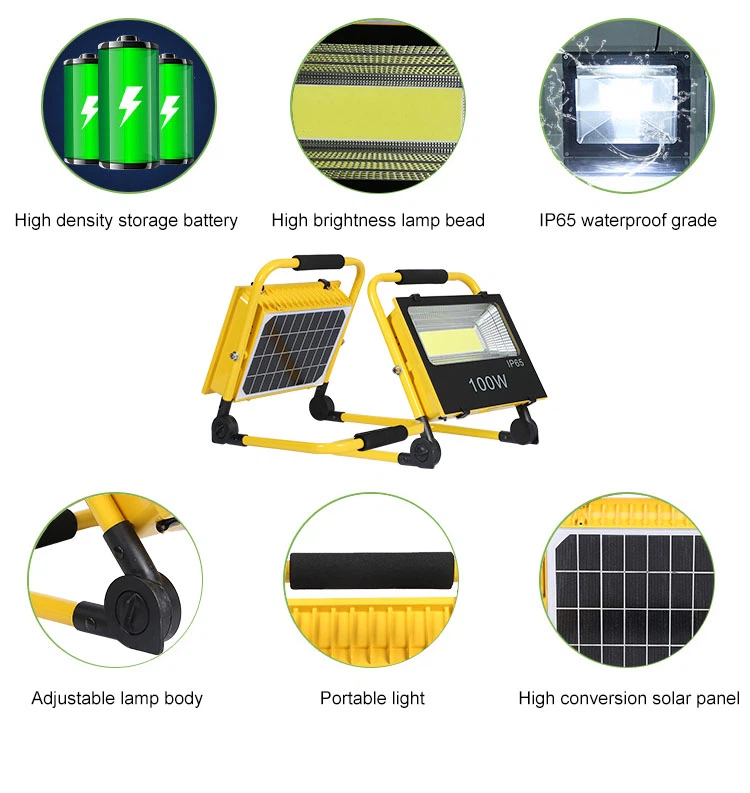
However, this relationship between wattage and heat is broken by LED lamps. The majority of the electricity used by LEDs is converted into light rather than heat, making them incredibly energy-efficient. Although advertised as producing the same brightness as a 100W incandescent bulb, a "100W equivalent" LED light usually requires just 15 to 25 watts of real electricity. This is the crucial difference: when we refer to a "100W LED bulb," we nearly always mean an equivalent, not a 100-watt LED bulb. Although there are real 100 W LED bulbs (used for commercial or industrial lighting), they are uncommon in homes and have a totally different appearance from regular LED bulbs. The "100W LED bulb" in question is a low-wattage LED that simulates the brightness of a 100W incandescent lightbulb for the majority of householders. This completely alters socket compatibility because the socket's 60W limit is determined by heat and power consumption rather than brightness.
The goal of socket wattage restrictions must thus be made clear. Manufacturers set socket wattage ratings (such as 60W, 75W, or 100W) to ensure safety and are based on the fixture's, the socket's, and the wiring's ability to withstand heat. A 60W incandescent bulb produces enough heat to exceed the capacity of a socket and fixture with a 60W rating since traditional incandescent bulbs squander 90% of their energy as heat. When an incandescent bulb's wattage is exceeded, the heat can cause the plastic socket housing to melt, the insulation surrounding the wires to deteriorate, exposing live conductors, and nearby items like wood, draperies, or insulation to catch fire. Each year, thousands of house fires are caused by these well-documented risks. However, the same wattage guidelines do not apply to LEDs because they generate significantly less heat. The heat produced by a 60W incandescent bulb is far greater than that of a 100W comparable LED light (which uses 15–25 watts). In fact, many 100W-equivalent LEDs create less heat than a 40W incandescent-well under the safety restrictions of a 60W socket.
So, what exactly happens if you put a 100W equivalent LED bulb (15–25W actual power) in a 60W socket? Generally speaking, nothing negative will happen-the lightbulb will function normally, produce the desired brightness, and produce very little heat. The socket and fixture will not overheat because the LED's real power usage is well below the socket's 60W maximum. In order to increase brightness without using more energy, homeowners who are switching from 60W incandescents to brighter LEDs frequently select models that are 100W equivalent. For instance, a 60W incandescent bulb produces roughly 800 lumens, a measurement of brightness, whereas a 100W equivalent LED uses only 15–20 watts and produces 1,500–1,600 lumens, or twice as much light. This LED's real power draw is much below the maximum; therefore, when it is fitted in a 60 W socket, neither the socket nor the wiring will be stressed.
There are two significant disclaimers, though: fixture heat limits and real 100W LED lights (not counterparts). First, it is problematic to use a true 100W LED bulb in a 60W domestic socket if it uses 100 watts of electricity, which is typical of large business fixtures like warehouse lights. A 100W LED bulb, while more efficient than a 100W incandescent, nonetheless creates more heat than a 60W socket or fixture can tolerate. The socket and wire will become overheated, which might cause insulation to melt, harm the fixture, and raise the possibility of an electrical fire. These high-wattage LEDs are not intended for use with typical 60W household sockets but rather with heavy-duty sockets and fixtures certified for 100W or more. Thankfully, genuine 100 W LED bulbs are easily distinguished from their equivalents because they are not offered in the majority of home improvement retailers and are prominently marked with their actual wattage.
Second, you need to think about the fixture's capacity to dissipate heat, even with a 100 W equivalent LED (low actual wattage). Sockets are a component of a larger system; even though they don't show a wattage rating, fixtures (such as pendant lights, table lamps, or recessed ceiling lights) have heat constraints. For instance, even from a 15W LED, there might not be enough airflow in a small, enclosed table lamp with a 60W socket to disperse heat. Even while an LED generates less heat than a 60W incandescent, the enclosed enclosure may retain the heat, causing the driver-the part that controls power-to overheat. This stored heat has the potential to damage the driver, limit the LED's lifespan, or cause the bulb to fade too soon. Since the actual wattage is minimal, there is no chance of a fire, but there is a risk of decreased bulb performance and longevity. This problem is less likely to occur in fixtures with open designs (such as floor lamps with exposed bulbs) or built-in heat sinks (found in recessed LED lighting), which permit heat to escape freely.

Another widespread misconception is that socket wattage limits relate to power (watts) rather than brightness (lumens). Because of this misconception, some customers steer clear of using 100W equivalent LEDs in 60W sockets out of concern that the "brighter" bulb will harm the socket. However, only power consumption (watts) and heat have a direct correlation with socket safety, not brightness (measured in lumens). Because it consumes less energy and produces less heat, a 100W equivalent LED (1,500 lumens, 15W) is safer to use in a 60W socket than a 60W incandescent (800 lumens, 60W). The box of many contemporary LED bulbs will specifically indicate that they can be used in sockets with lower wattage limits (e.g., "suitable for 60W sockets and above"), as they are made to be "drop-in" replacements for incandescents. This is due to the fact that LED producers test their products to make sure they function within the power and heat limitations of conventional connections.
Let's compare the heat output of several bulbs to gain a better understanding of the safety of utilising a 100W equivalent LED in a 60W socket:
Given that only 10% of energy is converted to light, a 60 W incandescent bulb produces between 85 and 90 watts of heat.
About 5 to 10 watts of heat are produced by a 100W-equivalent LED bulb (15W actual), since 70–80% of energy is converted to light.
About 30 to 40 watts of heat are produced by a genuine 100W LED bulb, which is more than a 60W socket can manage but still less than a 60W incandescent.
The data speaks for itself: a 60W incandescent generates a lot more heat than a 100W equivalent LED. By doing this, the main risk associated with utilising a higher-wattage bulb is eliminated because the socket, wiring, and fixture are not exposed to excessive heat. Heat is only an issue if the LED is a real high-wattage type (really 100W) or if the fixture has inadequate ventilation and retains even the little heat the LED generates.
So, while selecting LED bulbs for your sockets, what precautions should you take to guarantee safety? Start by determining the bulb's true wattage rather than just its equivalent. Usually seen on the side or close to the base of the bulb's box, the actual wattage is always substantially lower than the equivalent wattage (e.g., "15W = 100W equivalent"). It is safe to use in a 60W socket if the actual wattage is 60W or below. Second, look for any cautions about heat or wattage issues with the fixture. Labels like "max 40W LED" or "use only ventilated bulbs" may be found on some fixtures, particularly enclosed ones; heed these instructions, as they are based on the fixture's capacity to dissipate heat. Third, unless the socket and fixture are specifically rated for them, stay away from using true high-wattage LEDs (50W actual or more) in regular household sockets. These lamps need strong wiring and cooling because they are meant for commercial use. Fourth, before putting in new LEDs, replace any outdated or broken sockets. Even with low-wattage bulbs, a worn-out socket (with loose connections or fractured housing) can pose problems because it may fail to hold the bulb firmly or produce electrical arcs.
Regulations that guarantee LED safety must also be addressed. Before being sold, LED bulbs must typically pass stringent safety certifications like UL in the US, CE in the EU, or SAA in Australia. Manufacturers must test their bulbs for electrical safety, heat output, and standard socket compatibility in order to receive these certifications. Because its real power consumption and heat production are well within the socket's bounds, a certified 100W equivalent LED bulb will have undergone testing to guarantee it can function safely in 60W sockets. Steer clear of unbranded or uncertified LEDs since they might not adhere to these regulations and could provide unanticipated dangers (such as defective drivers that overheat, even at low wattages).
To sum up, it is nearly always safe to use a 100W equivalent LED bulb (which has an actual wattage of 15–25W) in a 60W socket. The misunderstanding results from confusing "actual wattage" (power/heat) with "equivalent wattage" (brightness), which made sense with incandescent bulbs but is meaningless with LEDs. The main danger is placing a real 100W LED bulb (really 100W) in a 60W socket because its heat output is higher than what the socket can handle, or using any LED in a fixture with inadequate ventilation that retains heat. You can enjoy the brighter light of a 100W equivalent LED without sacrificing safety by buying authorised LEDs, checking the bulb's actual wattage, and adhering to fixture restrictions. This situation is a prime illustration of how LED technology has completely changed the landscape of household lighting by providing more brightness, lower energy consumption, and more versatility than conventional bulbs ever could.
FAQ About LED Flood Lights
Q: Can we get a LED floodlight sample for reference?
A: We are glad to send samples for your inspection. Standard samples can be free, but you may need to pay the express fees.
Q: How to confirm the LED spotlight quality with us before starting to produce?
A: 1) We can provide samples and you can choose one or more, and then we will manufacture products according to the quality of the selected sample(s).
2) Send us your existing samples, and we will produce LED floodlights that match the quality of your provided samples.
Q: How to solve the quality problems about LED floodlight after sales?
A: Please take photos of the quality issues and send them to us. After we confirm the problems, we will provide a satisfactory solution within three days.
Q: What is the lead time of recessed floodlight?
A: The lead time is 20-25 days after the sample is confirmed.
Q: Can you print our brand on the flush mounted floodlight?
A: Yes, of course. We can print your brand logo on the flush mounted floodlight as per your requirements.
Q: What is the typical lifespan of your LED floodlights, and how is it measured?
A: Our high-quality LED floodlights typically have a lifespan of 50,000-100,000 hours, measured by the industry-standard L70 benchmark. This means the floodlight will retain 70% of its initial brightness after that time (not complete failure).
Q: Do your LED floodlights work well in extreme temperatures, like hot deserts or cold areas?
A: Our LED floodlights are designed to withstand a wide temperature range (-20°C to 45°C for standard models; -30°C to 55°C for heavy-duty models). For extreme environments (e.g., deserts or frigid regions), we recommend our IP68-rated heavy-duty series, which have enhanced heat sinks and cold-resistant drivers to avoid performance issues.
Q: What IP rating do your outdoor LED floodlights have, and is it suitable for coastal areas with salt spray?
A: Most of our outdoor LED floodlights have an IP65 rating (dust-tight and water-resistant for rain/splashes). For coastal areas, we offer IP68-rated models with anti-corrosive aluminum housings-these resist salt spray corrosion and ensure long-term use near the ocean.
Shenzhen Benwei Lighting Technology Co.,Ltd
Telephone: +86 0755 27186329
Mobile(+86)18673599565
Whatsapp :19113306783
Email:bwzm15@benweilighting.com
Skype: benweilight88
Web: www.benweilight.com