Understanding Ballasts: The Heart of Your Lighting System

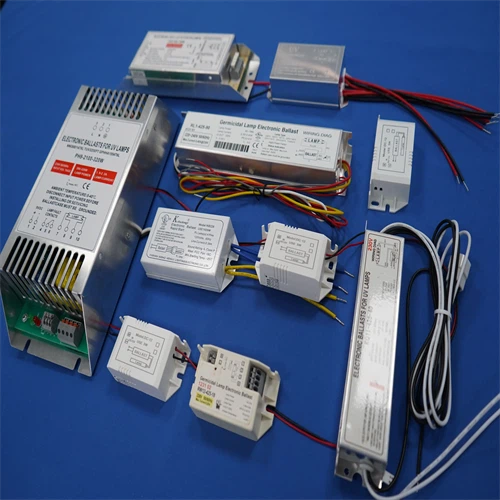
While most recognize that a ballast is a crucial component in many lighting fixtures, its precise function often remains unclear. In essence, the ballast acts as the heart of the lighting system. Just as the heart regulates blood flow, a ballast meticulously manages the electrical current flowing to the lamps. It provides the high voltage necessary to initiate the lighting process and then swiftly reduces and regulates the current to a safe operating level to maintain illumination. Without this critical control, fluorescent lamps would experience an uncontrollable surge of electrical current, leading to instantaneous overheating and burnout within seconds.
It is vital to understand that ballasts are not universal. They are engineered to operate with a specific type and number of lamps at a designated voltage. Therefore, ensuring compatibility between the ballast and the fluorescent lamps is paramount for both performance and safety.
Types of Ballasts: Magnetic vs. Electronic
There are two primary categories of ballasts: magnetic and electronic.
Magnetic Ballasts: As an older technology, magnetic ballasts are typically less expensive. They operate using either a preheat start or rapid start method, both of which involve heating the lamp's cathodes before providing the voltage to start the lamp. The notable drawbacks of magnetic ballasts include an audible hum, visible flicker, and lower energy efficiency compared to their modern counterparts.
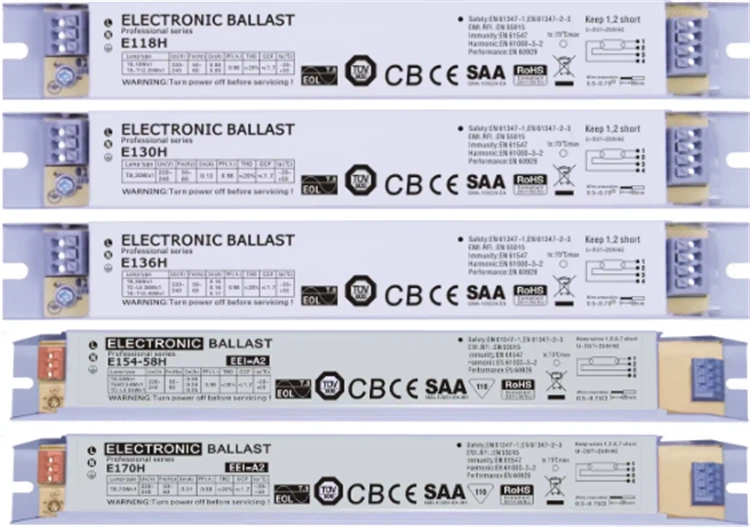
Electronic Ballasts: Representing the newer standard, electronic ballasts operate quietly and eliminate the annoying flicker and hum associated with magnetic versions. They are significantly more energy-efficient. Electronic ballasts come in three main start methods:
Instant Start: As the name implies, this method provides a very high voltage (around 600V) to start the lamps instantly. While it offers the quickest start-up time, it is harder on the lamp cathodes. Frequent cycling (turning on and off) can substantially shorten lamp life, making these ballasts better suited for applications where lights remain on for extended periods.
Programmed Start (or Programmed Rapid Start): This method is the most advanced and gentle on lamps. It is a smart system that heats the cathodes optimally before applying the starting voltage. By sensing the cathode temperature and using only the necessary power, it provides a slower, softer start that dramatically extends lamp life, especially in environments with frequent on/off cycles. This makes it the ideal choice for spaces equipped with occupancy or vacancy sensors, such as bathrooms, hallways, and stairwells.
Rapid Start: This method provides a continuous low voltage to heat the cathodes both before and during operation, offering a balance between start time and lamp life.
Ballasts and LED Replacements
The advent of LED technology has changed the landscape. When replacing fluorescent tubes with LEDs, understanding ballast compatibility is essential:
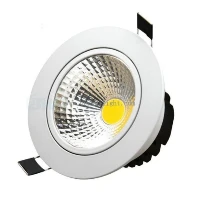
Ballast-Compatible (Plug-and-Play) LEDs: These linear LED lamps are designed to work directly with the existing ballast. They offer the simplest installation, snapping into the current fixture without any rewiring. However, they typically come at a higher cost, and if the existing ballast fails, the LED lamp will not operate until the ballast is replaced.
Ballast-Bypass (Direct-Wire) LEDs: These LEDs require the existing ballast to be completely removed from the circuit. The fixture must then be rewired to deliver line voltage directly to the lamp holders. This process, known as a retrofit, involves higher initial labor but often results in greater overall energy savings and eliminates the future maintenance cost and point of failure associated with the old ballast.
In summary, the ballast is a sophisticated regulatory device indispensable for the safe and efficient operation of discharge lamps. Selecting the right type-whether magnetic, electronic, or opting for a ballast-bypass solution with LEDs-is a critical decision that affects performance, energy consumption, lamp longevity, and total cost of ownership.