Using LED lighting in breeder production
Light may enter a chicken's eyes and travel through the skull to the hypothalamus and pineal glands, stimulating them.
cost-effective lighting
With the benefit of a far reduced energy cost, LED light has shown over the last few years that it can be used to produce parent stock just as well as conventional light sources. High-pressure sodium lights may save energy expenses by 40% over a 5-year period when compared to incandescent lights. However, over a 5-year period, compact fluorescent and LED lights may lower expenditures by 63% and 73%, respectively.
Benefits of LED lights and tubes
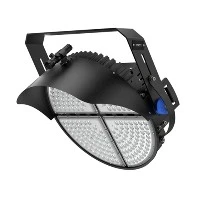
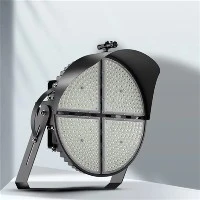
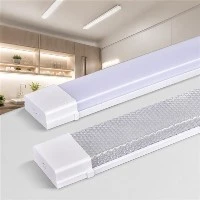
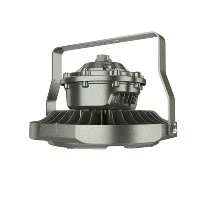
Currently, LED lights/tubes or strings make up the majority of new lighting installations because of their low energy consumption when compared to conventional lamps, extended lifespan (> 50,000 hours), dimming capabilities, and customizable color output. They also offer a high Ingress Protection value, are simple to wash, sanitize, and disinfect, and (IP; related to the level of dust and humidity penetration). In general, 2,700K (warm light) with a dimmer system is advised for growing and production. Compared to cold light, warm light tends to prevent floor eggs (6,000K).

influences breeder management
The management of breeders has been significantly impacted by LED lighting. It is now feasible to operate with low light intensity outputs of 1.5 to 2 Lux and yet see well enough to control the birds thanks to the invention of dimmer units (dusk to dawn). Non-dimmable LED lights are preferred by certain farm managers. The management is worried that in certain situations, some employees may alter the settings, which might have a significant impact on the birds' light sensitivity (refractory) at the end of the rearing period. Therefore, it is crucial that the dimmers on farms using dimmable LED units are not changed without the livestock manager's express permission.
The significance of fading
In order to keep the birds quiet throughout raising, dimming ability is crucial. Additionally, using lights less intensely has a significant influence on energy use. The lifespan of an LED will be significantly impacted by the installation of a dimming system, particularly during the manufacturing phase. LEDs also generate heat, and the longer they operate at a lower temperature, the better. Particularly in hot weather, the shape and size of the heat sink in relation to the power unit are crucial. However, relatively little heat is released when lights are dimmed to 70% of their maximum capacity, extending the life of the bulbs. In order to be able to lower an LED to 70 Lux during manufacturing, it must be dimmable and have a maximum output of at least 100 Lux. Linear dimmers with 1 V intervals function well in general.
Rearing homes must feature light traps with light reduction factors > 3,000,000 to produce real darkness of 0.1 Lux in order to develop female light sensitivity. A light intensity of 1.5 to 2 Lux measured beneath the lamps should be attained throughout the 8-hour lights-on period. To have all females and males on the same Lux pattern throughout raising, good light dispersion is crucial. The sexual homogeneity of males and females at 22 to 23 weeks of age will be impacted by the presence of pens in the home with varying light intensity.
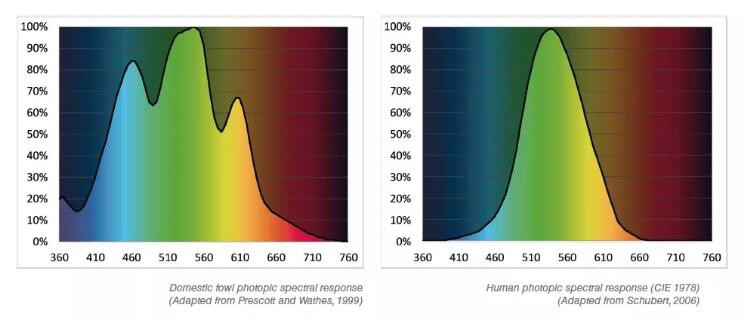
Birds' eyes are sensitive to light and color.
Human eyes take longer to adjust to light and darkness than avian eyes. Timing and estimating how long it will take to distribute feed over chain rails are crucial while doing it in the dark. After the feed has circulated, do not leave the lights out for too long since some of the females that are already positioned in front of the feeder tracks prefer to consume more. These females have a better chance of consuming feed than their counterparts since they know where the track is and can eat in the dark. Additionally, compared to humans, birds have far more vivid perceptions of light and color. For this reason, it's crucial that employees who operate inside the residences wear uniforms that are the same color.
Aspects of LED technology
Replace your Lux meter with an LED light meter or compare the readouts of your existing Lux meter and LED meter to determine if there are any discrepancies. Table 1 shows that, generally speaking, LED Lux meters indicate a greater light intensity. Lumen maintenance is also crucial and heavily relies on the caliber of the light you choose.
specialized LED lighting for poultry
Specialized LED bulbs for the poultry sector have just been created, and they are reasonably priced. They collaborate with a PSU (Power Supply Unit) to guarantee that the 48V DC LED bulbs get the proper and steady current. In many circumstances, a 14 m × 140 m communal nest production building may be outfitted with high-quality LED lights that can produce up to 100 Lux at bird level, a PSU, and linear dimming capabilities for less than US$ 4000. Given that lighting cues are employed by the hen to start and maintain the synthesis of reproductive hormones, lighting in breeder production is essential for the reproductive success of the stock. Lighting expenditures might account for a significant portion of the overall budget. Consider employing LED lights to increase reproductive consistency and success while decreasing expenses.