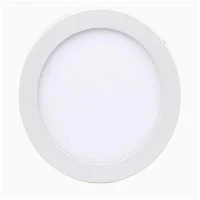
LED panel lights' energy economy, extended lifespan, and stylish appearance have made them a popular option for indoor lighting. However, appropriate protection is necessary to guarantee that they continue to operate at their best and sustain their performance over time. Here are a few smart strategies to keep LED panel lights safe.
Precautions for Installation
Correct Mounting: Use the proper mounting hardware and pay close attention to the manufacturer's instructions when installing LED panel lights. Make sure the lights are equally and securely fastened to the wall or ceiling. The lights may wobble due to improper mounting, which over time could harm internal components. For instance, the panel light may move and strain the internal electrical connections if the screws are not tightened enough.
Enough Space: Make sure there is enough space surrounding the LED panel lights. Since LED lights produce heat while in use, this enables appropriate heat dissipation. Lack of clearance can raise the lights' temperature, shortening their lifespan and perhaps harming the LEDs. In general, it is advised to leave at least 2 to 3 inches of space around the panel light's perimeter.
Environmental Factors
Control of Temperature and Humidity: LED panel lights function optimally in a particular range of temperatures and humidity. Excessive humidity can lead to electrical component corrosion, while high temperatures can hasten the deterioration of LED components. LED panel lights with the proper IP (Ingress Protection) rating are recommended for high-humidity spaces like basements and bathrooms. An IP65-rated lamp, for instance, is more suited for moist settings and can tolerate water splashes. For the majority of LED panel lights, it is best to keep the room temperature between 20 and 30 degrees Celsius and the relative humidity between 40 and 60%.
Preventing Dust and Debris: A buildup of dust on LED panel lights can impede light production and have an impact on heat dissipation. Use a moderate air blower or a soft, dry cloth to clean the lights' surface on a regular basis. To keep dust out of the internal components, use LED panel lights with sealed enclosures in dusty or industrial settings.
Protection against Electrical
Surge Protection: When big electrical equipment are turned on and off, lightning strikes, or changes in the power grid, power surges can happen. In the electrical circuit to which the LED panel lights are attached, install surge protectors. In order to prevent damage to the delicate LED components, a surge protector will redirect the extra electrical energy during a surge. This is particularly crucial in places where the power supply is erratic or where electrical storms are common.
Stable Power Source: Verify that a steady power source is attached to the LED panel lights. The lights may flicker, fade, or even burn out too soon as a result of fluctuating voltage. If required, use voltage regulators, particularly in areas with erratic power sources. Additionally, to prevent voltage drops and other electrical problems, do not overload the electrical circuit that the LED panel lights are mounted on.
Maintenance and Handling
Gently Managing: Be very careful with the LED panel lights when installing, replacing, or handling them in any way. Due to their fragility, the LED chips and other internal parts are easily harmed by physical contact. Avoid dropping, striking, or overpressing the lights. Use the right packing materials to keep the lights safe from vibration and shock during transit.
Frequent Examinations: Examine the LED panel lights on a regular basis. Look for any indications of physical harm, including loose connections or housing fractures. Keep an eye on the light output as well. There might be an issue if you observe flickering, color distortion, or a noticeable drop in brightness. Early problem identification enables prompt replacement or repair, halting more harm.
Cleaning: As was already mentioned, routine cleaning is essential. However, as they can harm the LED panel lights' surface, stay away from using abrasive cleaners or solvents. For the majority of cleaning jobs, a gentle, non-abrasive cleanser and a soft microfiber cloth are adequate. Use a soft-bristle brush for spots that are difficult to reach.
Protection of Software and Control (for Smart LED Panel Lights)
Updates to the firmware: Update the firmware if your LED panel lights are smart and linked to a control system. Firmware updates are frequently released by manufacturers to boost security, address issues, and improve performance. Compatibility problems, smart feature malfunctions, or even security threats could result from outdated firmware.
Safe Connection to the Network: Make sure the network connection is secure for LED panel lights that are Bluetooth or Wi-Fi enabled. For your home network, create strong passwords, turn on encryption, and, if at all possible, update them frequently. This guards against unwanted access to the lights, which can result in malevolent control or harm to the lighting system.
To sum up, safeguarding LED panel lights requires a mix of correct installation, appropriate environmental conditions, electrical protection, cautious handling and upkeep, and, for smart lights, software protection. You can get the most out of your investment, guarantee constant, high-quality lighting, and increase the lifespan of your LED panel lights by using these techniques.