What kind of lighting environment does a smart home need?
Lighting is very visual. Everyone has different feelings about lighting and light environment. People with different ages, different civilizations and work backgrounds have different visual and psychological experiences of lighting and light environment. I have a preference for the aesthetic orientation of lighting art.
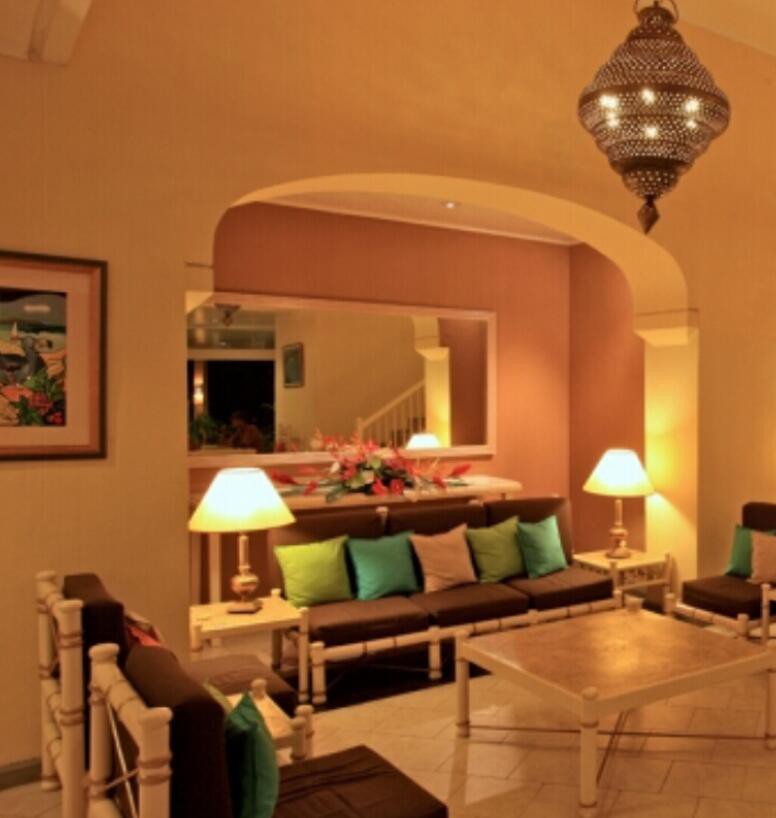
The effect of illumination:
According to the research of professional experts, under different illuminance, visual acuity increases with the increase of illuminance. Generally, under the illuminance of 200-400lx, the visual acuity of people has increased significantly, and above 400lx, the increase of the visual acuity will continue to increase with the increase of the illuminance, and there is no obvious difference.
The connection between color and emotion:
Secondly, light intensity also has a certain impact on human hormone levels. Research medical studies have confirmed that the visual system transmits the light and dark information of the external light environment to the pineal gland of the brain, and then affects the excretion of melatonin. Japanese experts have used 50Lx incandescent lamps and 1000Lx red, green, and blue fluorescent lamps to illuminate people before going to bed, and found that incandescent lamps and red fluorescent lamps have a weaker ability to suppress melatonin, and people are easy to enter deeper sleep.
In some areas of the United States, the sun exposure decreases in winter, and some people suffer from "seasonal mood disorder" (SAD) or "winter depression", mainly due to the physiological response caused by changes in hormonal excretion in the body caused by the decrease in sunlight intake. cause biorhythm disorders. According to a study by Harvard Medical Education Organization, in addition to adjusting the temperature of the lights in winter room lighting, properly improving the illuminance of the indoor light environment can help treat SAD diseases.
The effect of color temperature:
High color temperature light source can improve the excitement, concentration, alertness and awareness of the brain, and can improve the ability of brain activity, which is beneficial to brain coordination. However, high color temperature is unfavorable for fatigue recovery after mental load. Long-term exposure to high color temperature light sources at night will cause depression, irritability and affect sleep.
Experts found in the research that the use of a 4000K color temperature lighting source in the living room can make people feel friendly, warm, cool and quiet.
In the planning of the lighting environment of the residence, the change of the color temperature of the lights in different seasons should be properly considered, that is, the light source with a cooler color is used for lighting in summer, and the light source with a warmer color is used in winter. This tendency to use color temperature in different seasons does not require the use of cool fluorescent lamps in summer and all in winter.
Use warm-colored incandescent lamps (or warm-colored fluorescent lamps), and divide the indoor lighting into two levels, cold and warm, in different seasons.
A variety of color temperature is the main color, and spring and autumn can appropriately increase or decrease the cold and warm components of lights.
With the widespread use of smart homes, it is not enough for the lighting environment to satisfy the functional illuminance level. For intelligent lighting planning, under the premise of satisfying the basic illuminance and creating a good lighting art, different lighting environments should also be fully considered. Different effects on people's physiology and mind, intelligent and personalized planning for the detailed issues of the difference in season, age, gender, health status, civilization, and region, and create a Vivid and humane lighting environment.